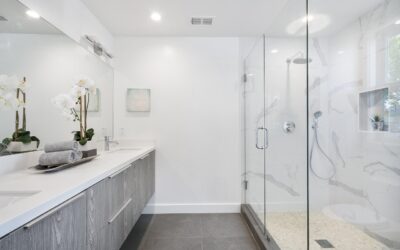
If you have flipped through tile showrooms or scrolled remodeling photos lately, you have noticed that grey tile is everywhere, and for good reason. Grey is the great neutral: it pairs with nearly any color, hides dirt better than stark white, and reads as modern without looking cold when chosen carefully. From warm greige to cool charcoal, the range of shades means there is a grey for every room and every style.
Part of our Tile & Grout guide — explore the full guide →
Choosing grey tile well is about understanding undertones, materials, and finishes so the result feels intentional rather than generic. Here is how to make grey work in your space.
Understanding Grey Undertones
Not all greys are the same, and the undertone determines how the tile feels in a room. Warm greys lean toward beige or brown, often called greige, and create a cozy, inviting space. Cool greys lean blue or even slightly purple, giving a crisp, contemporary feel. Neutral greys sit in the middle and are the most flexible.
The trap is mismatching undertones. A cool blue-grey tile next to warm beige cabinets can clash and look muddy. Always view samples in your actual room light, both daylight and evening, before committing, because lighting shifts grey dramatically.
Materials and Where They Shine
Grey tile comes in every major material, each with strengths:
- Porcelain: The most popular for floors. Dense, durable, water-resistant, and available in wood-look, concrete-look, and stone-look greys.
- Ceramic: Affordable and great for walls and backsplashes, with a huge range of grey glazes.
- Natural stone (slate, limestone, marble): Brings depth and variation. Grey marble and slate offer luxury and texture but need sealing.
- Glass: Reflective grey glass tile brightens backsplashes and accent walls.
For floors, porcelain is the workhorse. For walls and backsplashes, ceramic and glass open up more design options at lower cost.
Popular Looks: Concrete, Wood, and Stone
Grey tile excels at mimicking other materials. Concrete-look grey porcelain delivers the industrial, minimalist aesthetic of polished concrete without the cold, cracking, or sealing headaches, which is why it is so common in modern kitchens and bathrooms. Wood-look grey planks bring the warmth of weathered, driftwood-style timber with the waterproof durability of tile, ideal for bathrooms and entries where real wood would struggle.
Stone-look greys, from marble to slate, capture natural elegance and movement. These styles let you get a high-end look in a practical, low-maintenance material, which is a big part of grey tile’s enduring appeal.
Designing With Grey Tile
Grey is a backdrop, so let your accents bring the personality. Pair cool grey tile with white cabinetry and chrome fixtures for a clean, contemporary kitchen. Combine warm greige tile with natural wood and brass for a softer, transitional look. In bathrooms, grey tile pairs beautifully with white fixtures and a pop of greenery or a colored vanity.
Grout color is a powerful design lever. A matching grey grout creates a seamless, modern field, while a contrasting grout, light or dark, highlights the tile pattern and adds definition. For large-format grey floor tile, a close grout match keeps the look expansive and uninterrupted.
Practical Benefits Beyond Looks
Grey is not just stylish; it is practical. It hides everyday dirt, dust, and minor scuffs far better than white or very dark tile, which makes it forgiving in high-traffic areas, mudrooms, and kitchens. Medium greys in particular show neither footprints nor crumbs the way extremes do.
Grey also resists looking dated. Because it is a true neutral, it works with shifting trends, so a grey floor you install today is unlikely to feel out of place in a few years. That timelessness protects resale value, since buyers see grey as a clean slate they can decorate around.
Grey Tile Sizes and Layouts
The size and layout of grey tile influence the look as much as the color does. Large-format tiles, such as 12 by 24 inches or bigger, create a clean, expansive surface with fewer grout lines, which makes a floor feel larger and more contemporary. Smaller tiles and mosaics add texture and pattern, ideal for shower floors, accent strips, and detailed backsplashes.
Layout patterns add even more character. A straight grid reads modern and orderly. A brick or offset pattern, common with subway and plank shapes, adds subtle movement. A herringbone or chevron layout in grey plank or rectangular tile brings a designer touch and visual energy to floors and feature walls. Diagonal layouts can make a small room feel wider, though they generate more cut waste.
Grey wood-look plank tile deserves special mention for layouts, since it installs much like real wood flooring in staggered rows and delivers the warmth of timber with tile’s durability. Whatever size and pattern you choose, dry-lay a section first to confirm the look and to plan where cut pieces fall.
Caring for Grey Tile
Grey tile is low-maintenance, but a little care keeps it looking sharp. For porcelain and ceramic, regular sweeping and damp mopping with a pH-neutral cleaner is all most floors need. Avoid harsh acidic or bleach-based cleaners on a routine basis, since they can dull finishes and degrade grout over time.
The grout, not the tile, is usually where grey installations show their age, particularly with a light grout color. Sealing cement grout after installation and keeping up with periodic resealing helps it resist staining and keeps the lines clean. Natural-stone grey tile, such as slate and marble, needs sealing of the tile itself as well to protect against moisture and stains. With these simple steps, grey tile holds its clean, contemporary look for many years with very little effort.
Choosing the Right Shade for Your Room
Match the depth of grey to the size and light of the space. In small or low-light rooms, lighter greys keep the space feeling open and airy. In large, bright rooms, deeper charcoal greys add drama and grounding without making the space feel closed in. For floors that see heavy use, a mid-tone grey with some natural variation hides wear best.
Whatever shade you land on, buy from the same dye lot so the color stays consistent, and order about ten percent extra for cuts and future repairs. Thoughtfully chosen, grey tile delivers a clean, flexible, hard-wearing surface that works in virtually any room of the house.
Prefer to explore on your own?
See how new flooring looks in your actual room in seconds — free, no signup.
Try the free Floor Studio →