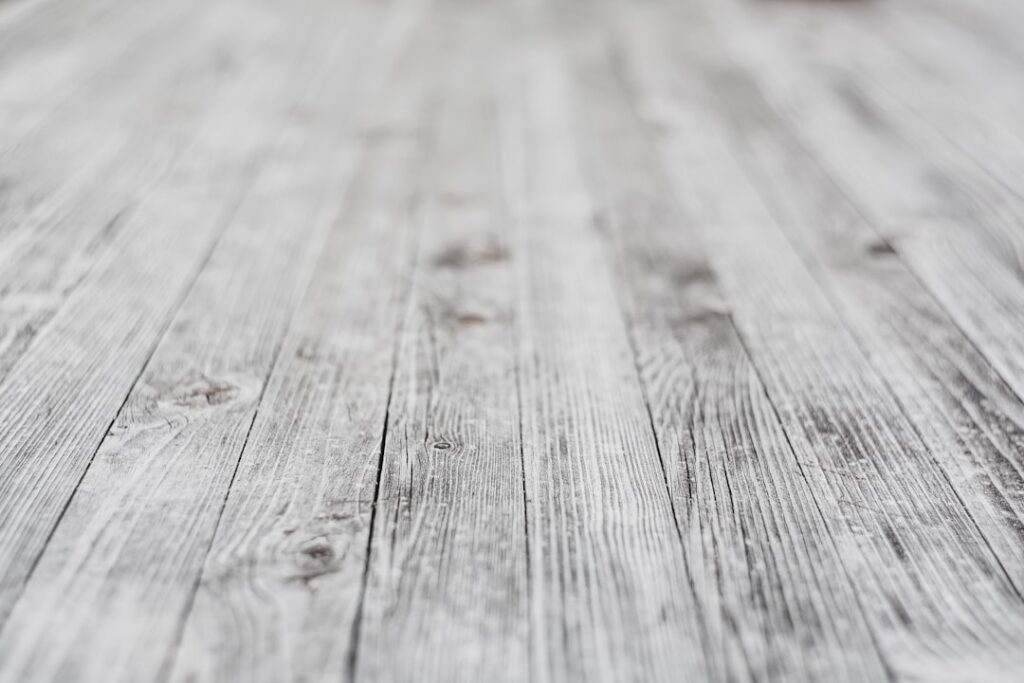
There is a reason designers keep reaching for it: grey wood tile delivers the cozy, grained warmth of timber with the cool, contemporary edge of a neutral palette, all in a material that laughs off water and wear. If you love the look of reclaimed or driftwood planks but want something that survives a mudroom, a bathroom, or a house full of pets, grey wood-look tile is one of the smartest choices you can make.
- What Grey Wood Tile Actually Is
- The Many Shades of Grey
- Rooms Where Grey Wood Tile Shines
- Design Pairings That Work
- Layout Options for Wood-Look Planks
- What Grey Wood Tile Costs
- Installation and Practical Tips
- Maintenance That Keeps It Looking New
- Grey Wood Tile Versus Real Hardwood and Vinyl
- Common Mistakes to Avoid
- Final Thoughts on Grey Wood Tile
What Grey Wood Tile Actually Is
Despite the name, grey wood tile is almost always porcelain or ceramic printed with high-resolution images of real wood grain in grey tones. Advances in digital printing mean each plank can carry unique knots, cracks, and grain patterns, so a floor does not read as a repeating stamp. You get the visual character of weathered or greywashed wood, plus the density and moisture resistance of porcelain. The planks typically come in wood-like proportions, such as 6×24, 8×48, or narrower widths, so the finished floor genuinely resembles a hardwood installation.
The Many Shades of Grey
Grey is not a single color, and choosing the right undertone makes or breaks the room. Cool greys lean blue or silver and feel crisp and modern, while warm greys carry beige or taupe undertones (sometimes called greige) that soften a space. Common families include:
- Light silver and driftwood greys that brighten small or dim rooms.
- Weathered barnwood greys with knots and heavy grain for rustic character.
- Greige and taupe blends that bridge grey and brown for flexible styling.
- Charcoal and slate greys that add drama and anchor open floor plans.
Bring samples home and view them at different times of day, since grey shifts dramatically under warm bulbs versus cool daylight.
Rooms Where Grey Wood Tile Shines
Because it is waterproof and tough, grey wood tile goes places real hardwood cannot. It is a natural fit for bathrooms, where it brings spa-like calm without swelling or cupping. Kitchens benefit from its spill resistance, and entryways and mudrooms shrug off grit and slush. In living rooms and bedrooms, it delivers the warmth of wood underfoot with easier upkeep. It also pairs seamlessly with radiant floor heating, since porcelain conducts and holds heat well.
Design Pairings That Work
Grey wood tile is a chameleon. Against white cabinetry and marble-look counters it reads coastal and bright. With matte black fixtures and dark cabinetry it turns moody and modern. Warm greige planks soften an all-white bathroom, while cool slate planks sharpen a minimalist kitchen. For a cohesive scheme, echo the tile’s undertone somewhere else in the room, such as a wall color, a rug, or upholstery, so the floor feels intentional rather than isolated.
Layout Options for Wood-Look Planks
The pattern you choose changes the whole personality of the floor. Popular layouts include:
- Staggered or offset, mimicking a traditional hardwood floor; a one-third offset avoids the “stair-step” effect.
- Herringbone, which adds a tailored, high-end look but uses more tile and labor.
- Chevron, a sleeker cousin of herringbone with mitered ends.
- Straight or grid for a clean, contemporary statement.
Grout color matters more than people expect. A closely matched grey grout keeps the planks looking seamless like wood, while a contrasting grout emphasizes each plank and reads more like tile.
What Grey Wood Tile Costs
Wood-look porcelain is affordable relative to real hardwood when you factor in longevity. Expect $3 to $8 per square foot for standard grey wood tile, with premium large-format or textured collections running $8 to $14. Installation typically adds $6 to $12 per square foot for a standard offset layout, and herringbone or chevron patterns push labor higher because of the extra cuts and precision required. Budget 10 percent overage for cuts and keep spares from the same lot.
Installation and Practical Tips
Wood-look planks are long and narrow, which makes them prone to lippage if the subfloor is not flat or if the offset is too aggressive. Many manufacturers recommend a maximum offset of one-third rather than the traditional 50 percent used for hardwood, precisely to avoid uneven plank edges. A tile leveling system helps keep everything flush. As with any porcelain, cutting requires a wet saw with a diamond blade, and wet areas need proper waterproofing beneath the tile.
Choose a slip-resistant finish for bathrooms and entries, and confirm the tile’s PEI rating suits your traffic level. For most homes, PEI 3 or 4 handles daily life comfortably.
Maintenance That Keeps It Looking New
This is where grey wood tile earns its keep. Unlike hardwood, it never needs refinishing, sanding, or resealing on the tile face. Sweep or vacuum regularly to keep grit from dulling the surface, and mop with a pH-neutral cleaner. Because grey hides dust and minor scuffs better than very dark or very light floors, it tends to look clean between deeper cleanings. Seal cement-based grout periodically to keep the lines fresh.
Grey Wood Tile Versus Real Hardwood and Vinyl
It helps to see grey wood tile alongside its main alternatives, because each has a distinct personality. Real grey-washed or weathered hardwood offers unmatched authenticity and warmth underfoot, but it swells with moisture, scratches, and needs periodic refinishing, ruling it out for bathrooms and heavy-moisture zones. Luxury vinyl plank in grey wood tones is softer and warmer than tile, fully waterproof, and easy to install, but it is less scratch-resistant over the long haul and can dent under heavy furniture. Grey wood tile sits at the durable extreme: it is the hardest and most water-resistant of the three, ideal for wet and high-traffic areas, though it is colder and harder underfoot without rugs or radiant heat.
Choosing among them comes down to where the floor lives and how you weigh comfort against toughness:
- Choose grey wood tile for bathrooms, kitchens, entries, and homes with pets or heavy traffic.
- Choose luxury vinyl plank where warmth, softness, and quick installation matter most.
- Choose real hardwood for dry living areas where authentic wood character is the priority.
Common Mistakes to Avoid
A few missteps can undermine an otherwise beautiful grey wood tile floor. The most common is choosing an undertone that clashes with the room’s lighting; a cool blue-grey plank can look cold and sterile under bright daylight, so always test samples in the actual space. Another is over-offsetting the planks like traditional hardwood, which causes lippage on long, narrow tiles; keep the offset to one-third or less. Skimping on subfloor flatness invites uneven plank edges, and picking a high-gloss finish for a bathroom can create a slip hazard when wet. Finally, some homeowners forget to select a grout color deliberately; a mismatched grout can make an elegant wood-look floor read as obviously tiled. Sidestep these pitfalls and the finished floor looks convincingly like fine weathered timber.
Final Thoughts on Grey Wood Tile
Whether your style leans coastal, industrial, farmhouse, or strictly modern, grey wood tile offers a rare mix of warmth, neutrality, and durability that few flooring materials can match. Nail down the right undertone for your light and palette, pick a plank layout that fits the mood you want, and give the installation the flat subfloor and careful offset it needs. The reward is a floor that looks like beautiful weathered wood yet stands up to water, pets, and years of foot traffic without complaint.
If you are still weighing your options, request a handful of samples in different grey undertones and live with them for a few days in the actual room, watching how morning and evening light shift the color. That small step tends to make the final decision obvious and saves you from second-guessing after installation. Once you commit, the payoff is a resilient, style-flexible floor that quietly complements whatever furnishings and paint colors come and go over the years, making grey wood tile one of the most future-proof flooring investments you can make for a busy modern home.
Prefer to explore on your own?
See how new flooring looks in your actual room in seconds — free, no signup.
Try the free Floor Studio →