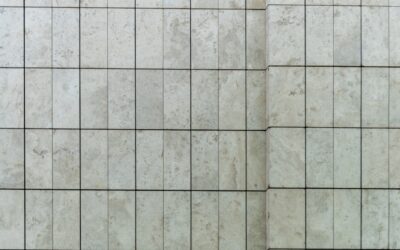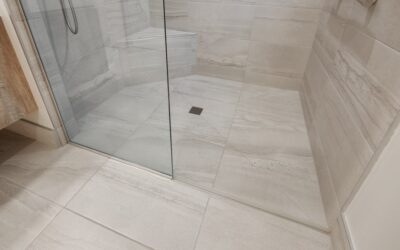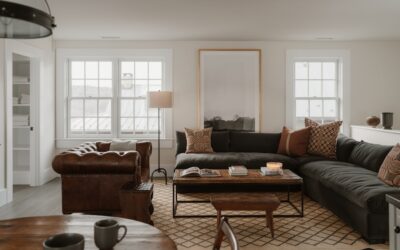
Light grey tile has quietly become one of the most requested neutrals in American remodels, and for good reason — it hides dust, pairs with nearly any cabinet or wall color, and reads modern without feeling as stark as pure white. Whether you are tiling a bathroom floor, a kitchen backsplash, or an entire open-concept main level, the shade sits in a sweet spot between warm greige and cool concrete grey. Get the undertone and grout right and it looks timeless; get them wrong and the room can feel like a hospital corridor. This guide covers the choices that matter.
Part of our Tile & Grout guide — explore the full guide →
Understanding Light Grey Undertones
Not all light grey is the same, and the undertone is the detail that trips up most homeowners. A cool light grey leans blue or violet and pairs beautifully with white trim, chrome fixtures, and a contemporary aesthetic. A warm light grey leans beige — often called greige — and works with wood tones, oil-rubbed bronze, and transitional or farmhouse styling. Before you buy a single box, bring samples home and look at them at different times of day. North-facing rooms pull cool tones cooler, so a blue-leaning tile can start to feel icy after 3 p.m. In those spaces a greige or a grey with a faint taupe base keeps the room feeling livable.
The finish matters just as much as the hue. A matte or honed light grey tile absorbs light and hides water spots, making it the safer choice for floors and high-traffic entryways. A polished or glossy version bounces light around and makes a small bathroom feel larger, but it shows every footprint and can be slippery when wet. For shower floors and mudrooms, prioritize a textured or matte surface with a coefficient of friction rated for wet areas.
Where Light Grey Tile Works Best
Bathrooms are the natural home for this color. A large-format light grey porcelain on the floor with a matching or slightly lighter subway on the walls creates a clean, spa-like envelope that never dates. In kitchens, grey works two ways — as a floor that grounds white or navy cabinets, or as a backsplash where a light grey glass or ceramic mosaic adds subtle texture without competing with the countertop.
Open-concept living areas benefit from large-format light grey porcelain planks that mimic concrete or limestone. They give you the durability of tile with a soft, uniform look that flows from room to room. Because the color is so neutral, you can change wall paint and furniture over the years without ever needing to replace the floor. That flexibility is a big part of why builders default to grey in spec homes.
Choosing the Right Grout Color
Grout can completely change how light grey tile reads, and it is the cheapest lever you have. Here are the three common approaches:
- Matching grey grout: creates a seamless, low-contrast look that makes large-format tile feel like a single slab. Best for modern, minimalist spaces.
- White or bright grout: highlights each tile and reads clean and crisp, but shows dirt fast on floors and needs sealing plus regular scrubbing.
- Charcoal or dark grey grout: adds a graphic, tailored contrast that hides grime and looks intentional on subway and geometric layouts.
For floors, I almost always steer clients toward a grout one or two shades darker than the tile. It disguises the inevitable foot traffic and coffee splashes while still looking crisp. Whatever you choose, buy an epoxy or a high-quality cement grout with a built-in sealer, and reseal cement grout once a year to keep the color from yellowing.
Light Grey Tile Cost Breakdown
Pricing spans a wide range depending on material and format. Here is what you can realistically expect for the tile alone, before installation:
- Basic ceramic light grey tile: $1.50 to $4 per square foot — fine for walls and low-traffic floors.
- Porcelain, including wood-look and concrete-look planks: $3 to $8 per square foot — the durable workhorse for main floors.
- Glass and stone mosaics for backsplashes: $8 to $25 per square foot — priced by the sheet.
- Large-format slabs (24×48 and up): $6 to $15 per square foot, plus higher labor for handling.
Professional installation typically adds $7 to $14 per square foot depending on your region, the tile format, and whether the subfloor needs prep. Large-format tile costs more to install because it demands a perfectly flat substrate and specialized leveling clips. Budget another $1 to $2 per square foot for thinset, grout, and sealer. For a standard 100-square-foot bathroom floor in mid-grade porcelain, a total installed cost of $1,200 to $2,000 is a fair expectation.
Keeping the Color From Feeling Cold
The most common complaint about a light grey tile floor is that the finished room feels sterile. The fix is layering warmth back in through everything around the tile. Wood vanities and open shelving, brass or bronze hardware, warm-white LED bulbs in the 2700K range rather than daylight bulbs, and textiles in cream, tan, or blush all soften a grey palette. A woven runner or a bath mat in a warm neutral does more than any tile choice to keep the space inviting. If you are tiling a large area, choose a grey with even a hint of a warm base rather than a pure concrete grey — that small shift keeps the room from tipping into cold.
Care and Maintenance
One of the practical joys of light grey tile is how forgiving it is day to day. Unlike stark white or dark charcoal, a light grey hides both dust and minor scuffs, so it looks clean longer between moppings. Sweep or vacuum weekly to keep grit from scratching the surface, and mop with a pH-neutral tile cleaner rather than vinegar, which can etch the sealer on some porcelains over time. Reseal cement grout lines annually and wipe up spills promptly on lighter grout to prevent staining. With that light routine, a quality light grey tile floor will hold its color and finish for decades, which is exactly why it remains one of the smartest neutral investments in a remodel.
Format and Layout Choices
Size and layout change the personality of a light grey tile as much as the color itself. Large-format tiles, meaning anything 12×24 inches and up, produce fewer grout lines and a calmer, more expansive look that makes small rooms feel bigger — a real advantage in a compact bathroom. Classic 3×6 subway laid in a running bond reads clean and traditional, while a herringbone or vertical stack pushes the same tile toward a contemporary, designer feel. Wood-look grey planks in a 6×36 or 8×48 format give you the warmth of a plank floor with the waterproof toughness of porcelain, which is why they have overtaken laminate in many bathroom and laundry remodels.
One layout tip pays off repeatedly: dry-lay a row of tiles before you commit, especially with grey. Because dye lots vary, mixing tiles from several boxes as you go prevents a visible color band from a single off-shade carton showing up in the middle of the floor. Spread the shade variation evenly and the finished surface reads as one cohesive, intentional tone rather than a patchwork.
Prefer to explore on your own?
See how new flooring looks in your actual room in seconds — free, no signup.
Try the free Floor Studio →