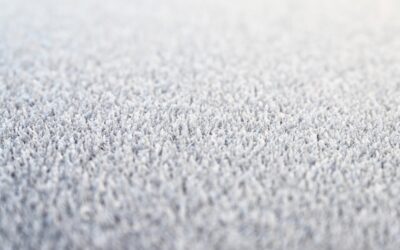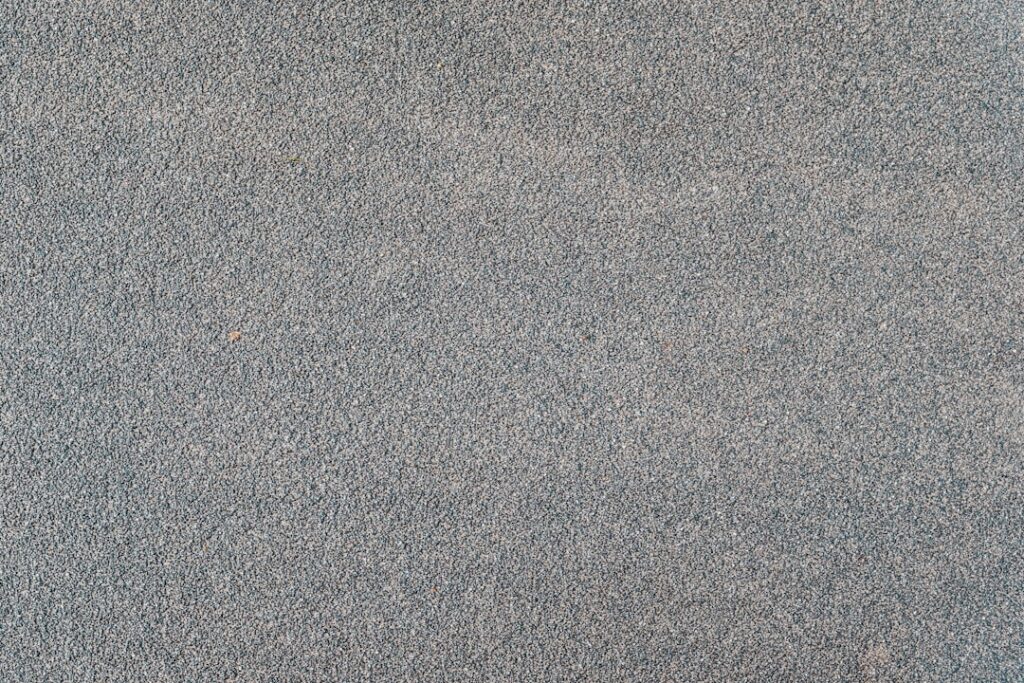
Grey has quietly become the most requested carpet color in American homes, edging out the beiges and tans that dominated for decades, and there is good reason for it. A well-chosen grey carpet texture works as a sophisticated neutral that pairs with almost any wall color and furniture style while the textured pile hides footprints and vacuum lines that would show on a smoother surface. The combination of a forgiving color and a track-resistant construction makes grey textured carpet one of the safest, most versatile flooring choices you can make. This guide covers the shades, undertones, pile styles, and selection tips that lead to a floor you will love.
Why Grey Textured Carpet Is So Popular
The appeal of grey carpet comes down to versatility and forgiveness. Grey reads as modern and clean without the coldness of pure white or the dated feel of older neutrals. It provides a calm backdrop that lets furniture, art, and accent colors take center stage. When you add a textured pile, the carpet also becomes practical, because the uneven surface scatters light and disguises the everyday footprints, dents, and soil that plague flat, uniform carpets. That marriage of style and function is why grey textured carpet appears in so many new builds, remodels, and rental properties. It looks good, works with changing decor, and hides the wear of daily life.
Understanding Grey Undertones
The single most important thing to get right with grey is the undertone, because not all greys are neutral. Choosing the wrong undertone is the most common regret homeowners report.
- Cool greys: carry blue or violet undertones, pairing with cool whites, blues, and modern decor
- Warm greys (greige): lean toward beige or taupe, pairing with warm woods and creams
- True neutral greys: minimal undertone, the safest choice for flexible decorating
Always evaluate samples in your own room at different times of day, because a grey that looks neutral in the store can flash blue under your LED bulbs or turn purple in north-facing light. Hold the sample against your walls and trim before committing.
Choosing the Right Shade
Grey ranges from pale silver to deep charcoal, and the depth you choose shapes the whole room. Light greys open up a space, make small rooms feel larger, and show less lint and pet hair from dark clothing, though they reveal dark stains more readily. Medium greys are the versatile middle ground, hiding both light and dark soil reasonably well while suiting most decor. Dark charcoal greys feel dramatic and cozy, anchor a room, and hide dark stains, but they show lint, dust, and light-colored pet hair more. For a whole-house neutral that fits changing furniture, a light-to-medium grey is usually the smartest long-term pick.
Texture Styles That Work in Grey
The texture of the pile matters as much as the color for both looks and performance. Several constructions pair especially well with grey:
- Textured twist: the most popular, with a track-hiding surface and casual, versatile look
- Frieze: a curly, high-twist pile that excels at disguising footprints and wear
- Plush: a smooth, velvety surface that reads formal but shows more tracks
- Loop and berber: durable, low-profile loops that resist crushing in busy areas
For a family room or hallway where footprints are a concern, a textured twist or frieze in grey is the go-to. For a formal bedroom, a plush grey adds a soft, luxurious feel, accepting that it will show some vacuum lines.
Cost of Grey Textured Carpet
Grey carpet costs the same as any other color in the same construction, so your price is driven by fiber and quality rather than the shade. Budget polyester textured carpets start around $1.50 to $3 per square foot for material, mid-grade nylon runs $3 to $5 per square foot, and premium high-density styles reach $5 to $8 or more. Installation with padding and old-carpet removal adds roughly $1 to $2 per square foot. Because grey is so widely stocked, you will find abundant options at every price point, from builder-grade to luxury, which makes it easy to hit your budget without sacrificing the look you want.
Decorating Around Grey Carpet
Once your grey floor is in, the color opens up flexible design options. Cool greys pair beautifully with crisp whites, navy, and cool blues for a fresh, contemporary scheme. Warm greige works with cream, tan, soft greens, and natural wood for a cozy, transitional feel. Grey also plays well with bold accent colors, letting a mustard sofa, emerald throw pillows, or a rust-toned rug pop against the neutral field. Because grey is not tied to any single style, you can redecorate over the years, swapping wall colors and furniture, without needing to replace the carpet, which is a major part of its long-term value.
Caring for Grey Carpet
Keeping grey carpet fresh follows the same routine as any quality carpet, with a couple of color-specific notes. Vacuum regularly to lift grit before it dulls the fibers, and blot spills immediately rather than rubbing. Because medium and dark greys can show lint and pet hair, a vacuum with strong suction and a good brush roll keeps the surface looking clean. Light greys benefit from prompt stain treatment since dark spills are more visible. A yearly professional deep clean refreshes the pile and lifts embedded soil. With this basic care, grey textured carpet holds its sophisticated, track-free look for years.
Grey Carpet Room by Room
How grey textured carpet performs and looks shifts from room to room, so it helps to think about each space. In bedrooms, a soft plush or textured grey creates a calm, restful feel and a comfortable surface to step onto in the morning, and because bedrooms see lighter traffic, you can prioritize softness over maximum durability. A warm greige often makes a bedroom feel cozier than a cool grey.
Living rooms and family rooms demand a more resilient, track-hiding construction, so a dense textured twist or frieze in a medium grey is the smart pick, disguising the footprints and vacuum lines that a busy room accumulates. On stairs and in hallways, where traffic concentrates, a durable nylon grey twist holds up best and hides wear along the most-walked paths. Home offices benefit from grey’s calm, professional backdrop that keeps the space feeling focused rather than busy.
Basements are a common spot for grey carpet, where the neutral color brightens a space that often lacks natural light. Because moisture can be a concern below grade, a moisture-resistant fiber like polyester or olefin paired with a moisture-barrier pad is wise. Matching the shade and construction to each room, rather than using one carpet everywhere, lets grey do its best work throughout the house while keeping the overall palette cohesive from room to room.
Is Grey Textured Carpet Right for You?
Grey carpet texture is one of the most reliable, flexible flooring choices available, which is exactly why it has become the default neutral in so many homes. If you want a floor that looks current, pairs with almost any decor, and hides the footprints and wear of everyday life, a grey textured carpet checks every box. Nail down the undertone first, choose a shade depth that suits your room and household, and match the pile style to your traffic. Get those three decisions right, and you will have a versatile, forgiving floor that stays stylish through years of changing tastes and furniture.