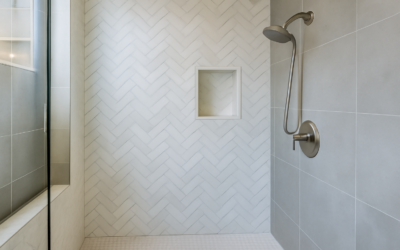
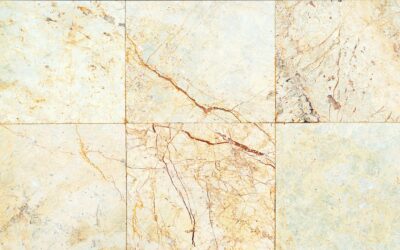
The shower is the one place in a bathroom where tile is unavoidable and where design choices show the most. Great bathroom shower tile designs balance three things at once: they look beautiful, they handle constant water and steam, and they stay safe and cleanable underfoot. Whether you are drawn to timeless subway tile, a bold feature wall, or a spa-like large-format look, this guide walks through the most popular design directions, the materials that work in wet areas, and the layout details that make a shower feel custom.
Part of our Bathroom Remodeling & Flooring guide — explore the full guide →
Tile is a long-term commitment, so it pays to understand your options before you fall in love with a single sample. Let’s break down the designs that consistently work.
- Classic Subway Tile and Its Variations
- Large-Format Tile for a Sleek, Low-Maintenance Look
- Creating a Feature or Accent Wall
- Mosaic and Textured Tile for the Shower Floor
- Choosing the Right Material
- Practical Details That Elevate the Design
- Color, Grout, and Keeping It Timeless
- Waterproofing: The Design Detail Nobody Sees
- Matching Tile Design to Bathroom Size
- Frequently Asked Questions
Classic Subway Tile and Its Variations
The 3-by-6-inch subway tile remains the most popular shower tile for good reason: it is affordable, timeless, and endlessly adaptable. But the classic offset brick pattern is only the beginning. Consider these variations to make subway tile feel current:
- Vertical stack: Turning the tile on end with aligned grout lines reads modern and makes ceilings feel taller.
- Herringbone: Angled at 45 or 90 degrees for a dynamic, upscale texture.
- Vertical brick offset: A twist that keeps the traditional feel but adds interest.
- Contrasting grout: Dark grout against white tile turns a plain pattern into a graphic statement.
Larger subway formats like 4-by-12 or 4-by-16 give the same familiar look with fewer grout lines, which is easier to clean and reads as more contemporary.
Large-Format Tile for a Sleek, Low-Maintenance Look
Large-format tiles, generally 12-by-24 inches and up, have become the go-to for modern showers. Fewer grout lines mean fewer places for mildew to grow and a cleaner, more expansive appearance that makes a small shower feel bigger. Porcelain slabs and 24-by-48-inch panels can even mimic the seamless look of natural marble or concrete without the maintenance. The trade-off is that large tiles need a very flat substrate and careful installation to avoid lippage, so they reward hiring an experienced tile setter.
Creating a Feature or Accent Wall
One of the most effective design moves is to keep most of the shower simple and splurge on a single statement wall, usually the back wall behind the fixtures. This concentrates visual interest and budget where it counts. Popular accent-wall treatments include:
- A dramatic marble or marble-look porcelain with bold veining.
- A mosaic tile in glass, penny-round, or hexagon shapes.
- A textured, three-dimensional tile that catches light.
- A pop of color or a nature-inspired zellige tile with subtle variation.
Pairing a plain field tile on the side walls with a rich accent wall gives you a designer look for far less than tiling the whole shower in premium material.
Mosaic and Textured Tile for the Shower Floor
The shower floor has different demands than the walls: it must be slip-resistant and able to slope toward the drain. Small mosaic tiles are the classic choice because their abundant grout lines add grip and they conform easily to the floor’s slope. Common floor options include:
- Penny rounds and small hexagons: Traditional, grippy, and great at following the drain slope.
- 2-by-2-inch mosaics: A clean, modern grid with good traction.
- Pebble tile: A spa-like, textured surface, though the many grout joints need diligent sealing.
- Matte or textured porcelain: Choose a tile with a higher slip-resistance (DCOF) rating for safety.
Whatever you choose for the floor, prioritize a matte or textured finish over polished, which becomes dangerously slick when wet.
Choosing the Right Material
Not every tile belongs in a wet shower. The best-performing materials are:
- Porcelain: The top all-around choice. It is dense, nearly waterproof, durable, and available in every look including wood, marble, and concrete.
- Ceramic: More affordable and fine for walls, though slightly more porous than porcelain.
- Glass: Beautiful for accents and mosaics, waterproof, and reflective, but can show water spots and is best used sparingly.
- Natural stone (marble, travertine, slate): Stunning but porous, requiring regular sealing to resist staining and etching. Best for homeowners willing to maintain it.
Practical Details That Elevate the Design
The features that make a shower feel custom are often small and functional. Build them into your plan from the start:
- A recessed niche for shampoo and soap, tiled to match or highlighted with the accent tile.
- A built-in bench for comfort and shaving, tiled with a slight slope to shed water.
- Coordinated trim such as bullnose edges, pencil liners, or metal Schluter edging for a clean finish.
- A curbless entry for a modern, accessible, walk-in look.
Color, Grout, and Keeping It Timeless
For a design you won’t tire of, keep large surfaces neutral and inject personality through accents you can change more easily, like the niche tile or fixtures. Warm gray and greige grout hides soap scum better than bright white and looks intentional. If you love a trend, apply it to a small accent rather than the entire shower, so an update later is affordable.
The strongest bathroom shower tile designs combine a durable, water-appropriate material, a slip-safe floor, one area of visual interest, and clean, well-planned trim. Start with a porcelain or ceramic field tile, choose a textured mosaic floor, add a single feature wall or niche for character, and you will have a shower that looks custom, performs for decades, and stays easy to clean.
Waterproofing: The Design Detail Nobody Sees
The most beautiful tile in the world will fail if the wall behind it is not properly waterproofed, and this is where many DIY showers go wrong. Tile and grout are not inherently waterproof; water passes through grout joints over time, so the real barrier lives behind the tile. Modern showers use either a foam backer board like a bonded waterproof panel system, or a cement board covered with a liquid or sheet membrane. Skipping this step leads to rot, mold, and eventually failed tile that has to be torn out. Whatever design you choose, insist on a continuous waterproof membrane behind the tile and a properly sloped, waterproofed shower pan below it.
Matching Tile Design to Bathroom Size
Scale your tile choice to the room. In a small shower, large-format tiles and light colors make the space feel more open by minimizing busy grout lines, while a single vertical accent stripe can add the illusion of height. In a large, luxurious shower you have room to be bolder with dramatic patterns, dark colors, and multiple materials without overwhelming the space. Mosaic floors read well in any size, but in a tiny shower keep the wall pattern simple so the room does not feel cluttered. The goal is proportion: the tile should suit the space rather than fight it.
Frequently Asked Questions
What is the best tile for a shower floor?
Small mosaic tiles such as penny rounds, hexagons, or 2-by-2 inch squares are ideal because their many grout lines add slip resistance and conform easily to the drain slope. Choose a matte or textured finish with a good slip-resistance rating, never a polished surface, which becomes dangerously slick when wet.
Should I tile the shower ceiling too?
In a standard shower it is optional, but in a steam shower it is essential because steam saturates every surface. Tiling the ceiling also creates a seamless, fully enclosed look and makes the space easier to clean, though it adds labor and cost.
What grout color hides soap scum and mildew best?
Warm gray and greige grout conceal soap scum, hard-water spots, and mildew far better than bright white, which shows every stain and needs constant cleaning. A mid-tone grout looks intentional and stays presentable with much less effort, making it the practical choice for most showers.
Which tile material is best for a shower?
Porcelain is the top all-around choice because it is dense, nearly waterproof, and extremely durable in every look from marble to concrete. Ceramic is a fine, more affordable option for walls. Natural stone is beautiful but porous and needs regular sealing, so choose it only if you are willing to maintain it.
Prefer to explore on your own?
See how new flooring looks in your actual room in seconds — free, no signup.
Try the free Floor Studio →