Wall tile does more heavy lifting in a bathroom than most people realize. It protects drywall from moisture, defines the room’s style, and can make a small space feel twice its size when chosen well. These best bathroom wall tile ideas cover everything from classic subway layouts to bold geometric patterns, with real costs, material pros and cons, and layout strategies that professional designers actually use.
Subway Tile: The Versatile Standard
Subway tile has been a bathroom staple since the early 1900s, and its popularity is not slowing down. The classic 3 by 6 inch white ceramic rectangle costs as little as $0.50 per square foot for basic options at major retailers. Premium versions in handmade or zellige finishes run $10 to $25 per square foot and add texture through slight surface variations that catch light differently across each tile.
Stack bond, running bond, herringbone, and vertical orientations each give subway tile a completely different personality. Running bond is the traditional offset pattern. Stacking tiles in a straight grid reads more modern and minimalist. Going vertical makes ceilings feel taller in a small bathroom. For a contemporary twist, choose an elongated 4 by 12 inch format with a matte finish and dark grout lines.
Large Format Tiles for a Seamless Look
Tiles measuring 12 by 24 inches or larger minimize grout lines, which creates a cleaner visual and reduces maintenance. Fewer grout joints mean fewer places for mold and mildew to take hold in a humid bathroom environment. Porcelain large format tiles run $3 to $8 per square foot and come in stone, concrete, and linen-look finishes.
Installation requires a flat wall surface and someone experienced with handling big tiles. A single 24 by 48 inch porcelain panel weighs over 10 pounds and cracks easily if flexed. Back-buttering plus notched trowel application ensures full adhesion. Use a leveling clip system like Raimondi or MLT to prevent lippage between tiles. The upfront investment in clips (about $0.15 per piece) saves hours of fussing with a level.
Mosaic and Penny Tile Accent Walls
Small-format mosaics in 1-inch or 2-inch squares create visual interest that large tiles cannot match. Glass mosaics in blues, greens, and neutral blends add depth and shimmer behind a vanity or inside a shower niche. Prices range from $8 to $30 per square foot depending on the material. Penny rounds, hexagons, and arabesque shapes are popular mosaic formats that work well as feature walls or niche accents.
Limit mosaic to one wall or a defined accent zone. Covering an entire bathroom in small mosaic tiles creates visual chaos and significantly increases grout maintenance. A mosaic accent strip at chair rail height or a single feature wall behind the bathtub strikes the right balance between impact and practicality.
Natural Stone Wall Tile
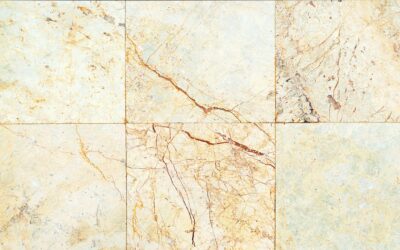
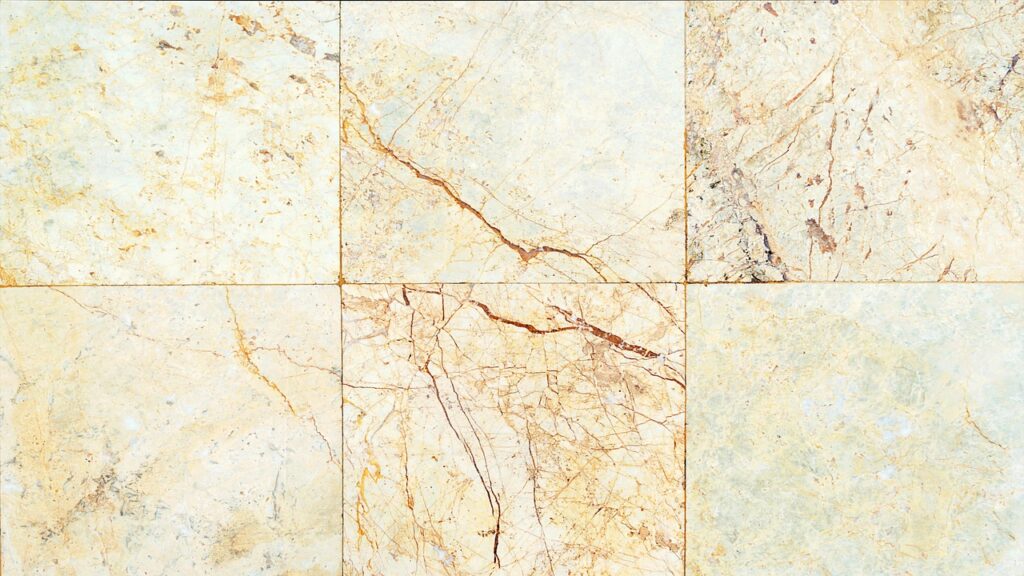
Marble, travertine, and slate bring organic texture that manufactured tiles cannot fully replicate. Carrara marble in a honed finish is the most popular choice for bathroom walls, running $8 to $15 per square foot for field tiles. Travertine offers warmer tones at $5 to $12 per square foot. Slate works well in rustic or industrial bathrooms at $4 to $10 per square foot.
Stone requires sealing before grouting and annual resealing to prevent water absorption and staining. Acidic cleaners damage marble and travertine, so stick with pH-neutral stone cleaners. If the maintenance commitment feels like too much, porcelain tiles that mimic natural stone are now remarkably convincing and cost 30% to 50% less with zero sealing requirements.
Patterned and Geometric Tiles
Encaustic cement tiles and printed porcelain tiles bring bold patterns to bathroom walls without wallpaper’s moisture vulnerability. Cement tiles run $8 to $20 per square foot and develop a natural patina over time. Porcelain pattern tiles offer similar visuals at $4 to $12 per square foot with almost no upkeep.
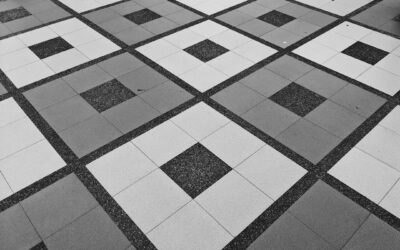
Geometric shapes like hexagons, diamonds, and picket tiles add dimension through form rather than color. A white picket tile wall has the same clean palette as subway tile but with more architectural interest. Mix flat and dimensional tiles carefully. A 3D wave or scallop tile on one wall paired with flat tiles elsewhere creates a focal point without overwhelming the room.
Shower-Specific Tile Strategies
Shower walls need porcelain, ceramic, or natural stone with a water absorption rate below 0.5%. Anything higher risks moisture infiltrating behind the tile and damaging the waterproof membrane. Always install a liquid or sheet membrane like Schluter Kerdi, RedGard, or Laticrete Hydro Ban before tiling shower walls.
Run tile from the shower floor to the ceiling for a watertight enclosure that also looks polished. Stopping tile partway up the wall with a bullnose edge is an older approach that leaves drywall exposed to steam and splash. For a frameless glass door setup, floor-to-ceiling tile is essential because every surface stays visible. Choose lighter colors in small showers to reflect light and avoid a cave-like feel.
Color and Grout Pairing Tips
Grout color changes a tile installation as much as the tile itself. White tile with white grout creates a seamless, expansive look. White tile with charcoal grout highlights each tile’s shape and adds a graphic quality. Match grout to tile color for a monolithic surface, or contrast it for definition.
Warm whites and creams pair well with brushed gold or brass fixtures. Cool whites and grays complement chrome and polished nickel. Dark tiles like navy, forest green, or matte black work in bathrooms with good lighting and are striking behind a freestanding tub or in a large walk-in shower. In bathrooms under 50 square feet, keep wall tiles light and save bold colors for accents or a single feature wall.
Budget Planning for Bathroom Wall Tile
A typical bathroom has 80 to 150 square feet of wall tile area depending on layout and ceiling height. At $3 per square foot for basic ceramic, materials run $240 to $450. Premium porcelain or natural stone pushes that to $800 to $2,000. Professional installation adds $8 to $15 per square foot on top of material costs.
Save money by using a mid-range field tile across most walls and splurging on a premium accent in one visible area like the shower niche or behind the vanity. Order all tile at once from the same lot number to avoid shade variation between boxes. Budget an extra 10% to 15% for cuts, waste, and a few spare tiles stored for future repairs.
Prefer to explore on your own?
See how new flooring looks in your actual room in seconds — free, no signup.
Try the free Floor Studio →