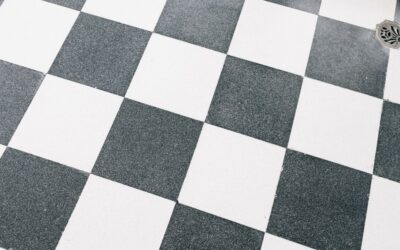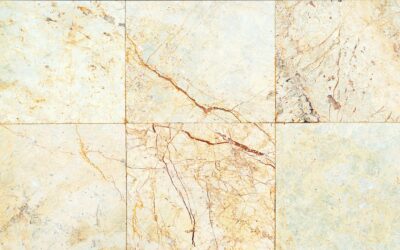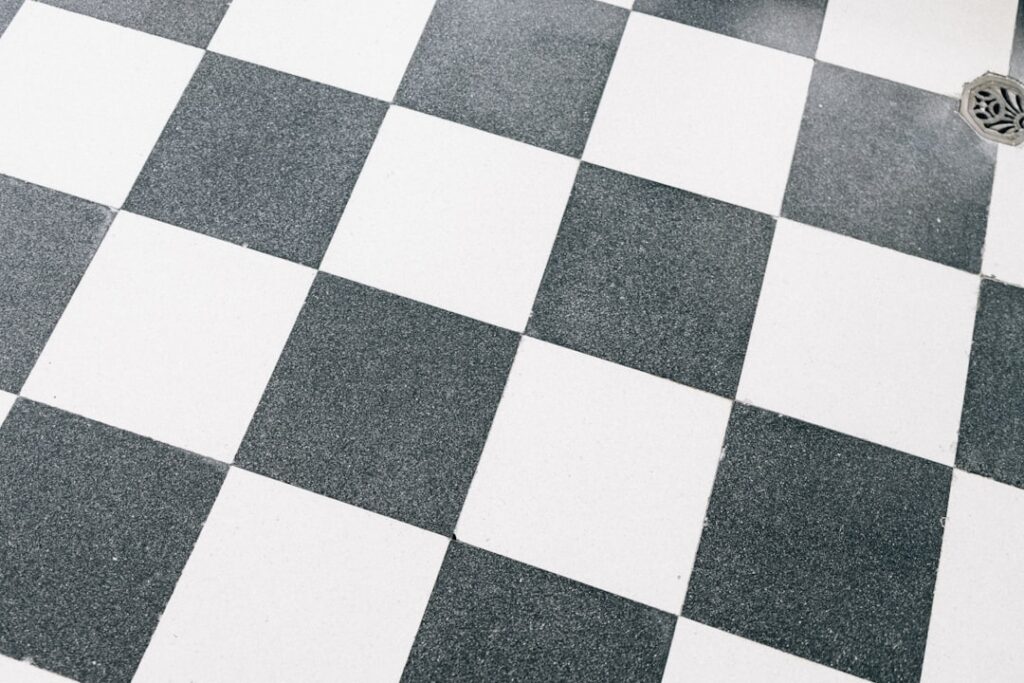
The bathroom floor sets the tone for the entire room. It is the first thing you feel underfoot every morning and one of the largest visual surfaces in a small space. Choosing the right bathroom floor tile means balancing beauty, slip resistance, water performance, and budget.
Part of our Bathroom Remodeling & Flooring guide — explore the full guide →
These are the bathroom tile ideas that designers and homeowners are choosing most often in 2026, from large-format marble-look slabs to handmade encaustic patterns. Each style includes practical guidance on sizing, installation considerations, and which bathrooms they work best in.
- 1. Large Format Marble-Look Porcelain
- 2. Penny Round Tiles for Shower Floors
- 3. Patterned Encaustic Tiles
- 4. Wood-Look Porcelain Tile
- 5. Hexagon Mosaic Tiles
- 6. Terrazzo-Look Tiles
- 7. Continuous Floor-to-Shower Tile
- 8. Heated Tile Floors
- Small Bathroom vs. Large Bathroom: Tile Selection Guide
- Choosing the Right Tile Material for Bathroom Floors
- Grout Matters More Than You Think
- Frequently Asked Questions
1. Large Format Marble-Look Porcelain
Large format marble-look porcelain tiles (24×24 inches or larger) create a seamless, luxurious appearance with fewer grout lines. Modern digital printing technology has made these tiles nearly indistinguishable from real marble at a fraction of the cost.
Why It Works
- Fewer grout lines: Larger tiles mean less grout to clean and maintain, which is a significant advantage in bathrooms.
- Luxury appearance: Calacatta, Carrara, and Statuario marble looks are timeless and add resale value.
- Porcelain durability: Unlike real marble, porcelain does not need sealing, resists staining, and handles water without issue.
- Cost advantage: Real marble costs $15 to $40 per square foot; porcelain marble-look tiles cost $3 to $10 per square foot.
Best For
Large master bathrooms and open-concept bathroom designs. In small bathrooms, large format tiles actually make the space feel bigger because of the reduced number of grout lines.
Installation Notes
Large format tiles require a perfectly flat subfloor. Any lippage (unevenness between adjacent tiles) is more visible with large tiles. Use a leveling system and a medium-bed mortar designed for large-format tile.
2. Penny Round Tiles for Shower Floors
Penny round tiles are small, circular mosaic tiles (typically 3/4 inch to 1 inch in diameter) that come on mesh-backed sheets. They have been a staple for shower floors for decades and remain popular because of their excellent slip resistance and ability to conform to sloped surfaces.
Why It Works
- Superior slip resistance: The many grout joints create a textured surface that provides excellent grip when wet.
- Conforms to slopes: The small individual tiles easily follow the slope of a shower pan toward the drain.
- Classic aesthetic: Penny rounds add vintage charm and work with nearly every bathroom style from farmhouse to modern.
- Color versatility: Available in porcelain, ceramic, glass, and natural stone in dozens of colors and finishes.
Best For
Shower floors and wet room floors. Also popular as an accent on bathroom floor borders or in small powder rooms for a statement look.
3. Patterned Encaustic Tiles
Encaustic tiles feature bold geometric or floral patterns with color that goes all the way through the tile body rather than just on the surface. Originally handmade from pigmented cement, modern versions are also available in porcelain that mimics the encaustic look.
Why It Works
- Statement-making: A patterned encaustic floor transforms a basic bathroom into a design feature. No additional decor needed.
- Timeless patterns: Moroccan, Mediterranean, and Victorian-era patterns never go out of style.
- Pairs with simple walls: A bold floor works best with plain white or neutral wall tiles, keeping the design balanced.
Cement vs. Porcelain Encaustic
| Feature | Cement Encaustic | Porcelain Encaustic-Look |
|---|---|---|
| Authenticity | Handmade, artisan feel | Printed pattern, uniform |
| Sealing required | Yes, regularly | No |
| Cost per sq ft | $8 to $25 | $3 to $10 |
| Durability | Good with maintenance | Excellent, low maintenance |
| Water resistance | Porous, needs sealer | Non-porous, waterproof |
| Best for | Powder rooms, design statement | Full bathrooms, showers |
For full bathrooms with showers, porcelain encaustic-look tiles are the practical choice. Save real cement encaustic for powder rooms or areas with minimal direct water exposure.
4. Wood-Look Porcelain Tile
Wood-look porcelain gives you the warmth and beauty of hardwood flooring with the waterproof performance a bathroom demands. Modern wood-look tiles feature realistic grain textures, knots, and color variation that closely mimic real wood species like oak, walnut, and reclaimed barnwood.
Why It Works
- Waterproof: Real hardwood warps and stains in bathrooms. Porcelain tiles handle water without any damage.
- Warm aesthetic: Wood tones bring warmth to a space that can feel cold and clinical with all-white tile.
- Continuous flow: Use the same wood-look tile throughout the home, running it seamlessly into the bathroom.
- Plank format: 6×36 or 8×48 inch planks install in a staggered pattern that looks like real hardwood flooring.
Best For
Master bathrooms, en suites, and any bathroom where you want the floor to match or coordinate with hardwood in adjacent rooms.
5. Hexagon Mosaic Tiles
Hexagon tiles are having a sustained design moment. Available in sizes from 1-inch mosaics to 10-inch large-format hexagons, this shape adds geometric interest without the boldness of a full pattern. The classic black-and-white hex mosaic is a staple of vintage and farmhouse bathroom design.
Popular Hexagon Variations
- Classic 1-inch white hex with black accents: Timeless vintage bathroom look.
- Large 8-inch hex in solid colors: Modern, clean, minimal grout lines.
- Marble hex mosaic: Luxury look combining the hexagon shape with natural stone veining.
- Mixed-material hex: Combining marble, brass, and glass hexagons in a single sheet for an eclectic accent.
Best For
Small to medium bathrooms, powder rooms, and vintage-style renovations. Hexagon tiles also make excellent shower floor tiles because the many grout joints provide slip resistance.
6. Terrazzo-Look Tiles
Terrazzo, the composite material made from marble, quartz, and glass chips set in cement or resin, has made a dramatic comeback. Terrazzo-look porcelain tiles capture the speckled, confetti-like aesthetic without the expense and complexity of poured-in-place terrazzo.
Why It Works
- Hides dirt and water spots: The speckled pattern naturally camouflages minor messes between cleanings.
- Adds color without being bold: Terrazzo introduces subtle color through the chips while maintaining an overall neutral tone.
- Low maintenance: Porcelain terrazzo-look tiles need no sealing, polishing, or special care.
- Retro-modern appeal: Bridges mid-century modern, Art Deco, and contemporary design styles.
Best For
Modern and eclectic bathrooms. Terrazzo-look tiles work particularly well in larger bathrooms where the pattern has room to develop visually.
7. Continuous Floor-to-Shower Tile
One of the strongest trends in bathroom design is extending the same floor tile directly into a curbless (zero-threshold) shower. This creates a seamless, spa-like look and makes the bathroom feel significantly larger because there is no visual break at the shower entry.
How to Achieve This Look
- Curbless shower: The shower floor must be flush with the bathroom floor, using a linear drain or slightly sloped floor to contain water.
- Same tile throughout: Use identical tile on both the bathroom floor and the shower floor for a seamless transition.
- Waterproofing is critical: The entire bathroom floor should be waterproofed since there is no curb to contain water in the shower area.
- Tile size matters: Smaller tiles (2×2 inch or mosaic) on the shower floor allow for proper slope to the drain. Use the larger format tile on the rest of the bathroom floor.
Best For
Modern, accessible, or aging-in-place bathroom designs. Curbless showers are also ADA-compliant, making them a smart long-term investment.
8. Heated Tile Floors
Radiant floor heating beneath bathroom tile transforms the cold morning walk to the shower into a comfortable experience. Electric heating mats installed beneath the tile warm the surface to a pleasant temperature and can be controlled by a thermostat or timer.
Why It Works
- Tile is the best conductor: Porcelain and ceramic tile transfer heat efficiently from the mat to the surface, making them ideal for radiant heating.
- Energy efficient: Heating a bathroom floor costs approximately $0.25 to $0.50 per day for a typical bathroom.
- Reduces moisture: Warm floors help dry water faster, reducing the damp feeling after showers.
- Adds home value: Heated bathroom floors are a luxury feature buyers notice.
Installation Considerations
Electric heating mats (like Schluter DITRA-HEAT or WarmlyYours) are installed directly in the thinset mortar layer beneath the tile. Plan the layout before tiling because the mats must be installed during the tile installation process, not added after.
Small Bathroom vs. Large Bathroom: Tile Selection Guide
The size of your bathroom should influence your tile choices. What works in a spacious master bath can overwhelm or shrink a small powder room, and vice versa.
| Consideration | Small Bathroom (Under 50 sq ft) | Large Bathroom (Over 80 sq ft) |
|---|---|---|
| Tile size | Large format (24×24) to reduce grout lines and make the room feel bigger, or small mosaic for texture | Any size works; large format for modern, smaller for traditional |
| Color | Light colors (white, cream, light grey) to open up the space | Can go dark or bold without closing in the room |
| Pattern | Use pattern sparingly (one surface, not all); simple patterns work best | Bold patterns work well on floors when walls are kept simple |
| Grout color | Match grout to tile color for a seamless, expansive look | Contrasting grout can highlight tile shape and add character |
| Best styles | Large format marble-look, wood-look planks, simple hex | Encaustic, terrazzo, continuous floor-to-shower, heated tile |
Choosing the Right Tile Material for Bathroom Floors
Not all bathroom floor tiles perform the same in wet environments. Here is how the most common materials compare for bathroom use.
| Material | Water Absorption | Slip Resistance | Maintenance | Cost per Sq Ft |
|---|---|---|---|---|
| Porcelain | Less than 0.5% (best) | Good to excellent | Very low | $3 to $12 |
| Ceramic | 0.5% to 3% | Good | Low | $1 to $8 |
| Natural marble | 0.2% to 0.5% | Moderate (slippery when polished) | High (sealing required) | $10 to $40 |
| Slate | Less than 1% | Excellent (natural texture) | Medium (sealing required) | $5 to $15 |
| Cement tile | 5% to 10% (porous) | Good | High (sealing required) | $8 to $25 |
For most bathrooms, porcelain tile is the best overall choice. It combines the lowest water absorption, excellent durability, wide style variety, and minimal maintenance. Ceramic is a good budget alternative for bathrooms with moderate water exposure like powder rooms.
Grout Matters More Than You Think
The grout between your bathroom floor tiles is just as important as the tiles themselves. In wet environments, grout is the weakest link.
- Epoxy grout: Non-porous, stain-resistant, waterproof. The best choice for bathroom floors and shower floors. More difficult to work with but virtually maintenance-free.
- Cement grout (sanded): The most common type, but porous. Must be sealed after installation and resealed annually in bathrooms.
- Grout color: In bathrooms, choose a grout color that is close to the tile color. Contrasting grout shows every stain, mildew spot, and imperfection more readily.
- Grout width: Narrower grout joints (1/16 to 1/8 inch) create a cleaner, more modern look and are easier to keep clean.
Frequently Asked Questions
What is the best tile for a small bathroom floor?
Large format porcelain tiles (24×24 inches or larger) in a light color make small bathrooms feel more spacious by reducing visual clutter from grout lines. Alternatively, small mosaic tiles like penny rounds or hex tiles add texture and character.
Is porcelain or ceramic better for bathroom floors?
Porcelain is better for bathroom floors because it has a lower water absorption rate (under 0.5%) compared to ceramic (0.5% to 3%). Porcelain is also denser and more durable. Ceramic is acceptable for powder rooms and half baths with less water exposure.
How do you make bathroom floor tiles less slippery?
Choose tiles with a textured or matte finish rather than polished. Look for tiles with a coefficient of friction (COF) rating of 0.42 or higher, which is the ADA standard for wet areas. Smaller tiles with more grout joints also provide better traction.
Can you use large tiles on a shower floor?
Large tiles are difficult to use on shower floors because the floor must slope toward the drain. Small tiles (2×2 inches or smaller) conform to the slope much better. Use large tiles on the bathroom floor and smaller tiles on the shower floor for the best results.
How much does it cost to tile a bathroom floor?
Including materials and professional installation, bathroom floor tiling costs $8 to $25 per square foot on average. A typical 50-square-foot bathroom floor costs $400 to $1,250 total. High-end materials like natural stone or designer encaustic tiles increase costs significantly.
Should bathroom floor tile match wall tile?
Matching floor and wall tile creates a cohesive, spa-like look. However, many designers recommend using a complementary but different tile on the floor, such as a smaller format or different pattern, to add visual interest and help define the space.
Prefer to explore on your own?
See how new flooring looks in your actual room in seconds — free, no signup.
Try the free Floor Studio →