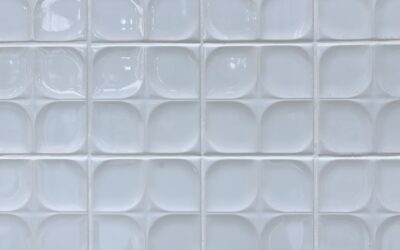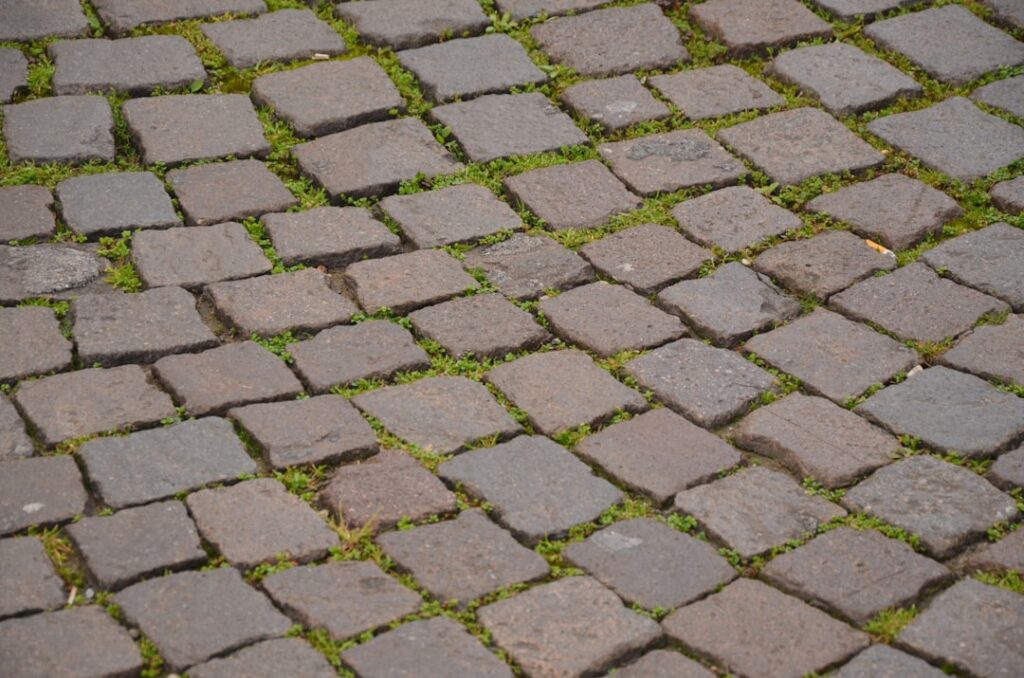
Choosing a tile style can be overwhelming. Walk into any tile showroom and you will find thousands of options spanning dozens of shapes, sizes, materials, and patterns. The right tile style sets the tone for an entire room, whether you want a timeless classic look, a bold contemporary statement, or something warmly eclectic.
Part of our Tile & Grout guide — explore the full guide →
This guide breaks down the most popular tile styles available today, explains where each works best, and helps you narrow down the choices for your project.
Subway Tile
Subway tile has been one of the most enduring tile styles since it first appeared in the New York City subway system in 1904. The classic format is a 3×6-inch rectangular ceramic tile in glossy white, installed in a running bond (brick) pattern.
Why It Remains Popular
- Clean, timeless look that works in virtually any setting
- Extremely affordable at $1-$5 per square foot for basic white ceramic
- Easy to find at any home improvement store
- Pairs with any countertop, cabinet, or decor style
Modern Subway Tile Variations
Today’s subway tile goes well beyond the standard white rectangle. Popular variations include:
- Elongated subway: 4×12 or 4×16 inch formats for a more contemporary feel
- Handmade look: Slightly irregular edges and glazes for artisanal character
- Beveled subway: Angled edges that catch light and add dimension
- Colored subway: Bold greens, blues, and warm neutrals are trending
- Stacked vertical: Installing standard subway tiles vertically in a straight stack pattern
Best for: Kitchen backsplashes, bathroom walls, shower surrounds, laundry rooms
Hexagonal Tile
Hexagonal tiles, or hex tiles, bring a geometric flair that feels both vintage and modern. The six-sided shape creates an eye-catching honeycomb pattern that adds instant visual interest to floors and walls.
Size Options
- Penny hex (1 inch): Classic vintage look, often on mesh sheets for easier installation
- Standard hex (2-3 inches): Traditional mosaic size, popular in bathrooms
- Medium hex (4-6 inches): Modern twist on the classic, works on floors and walls
- Large hex (8-12+ inches): Contemporary and dramatic, great for floors in open areas
Design Ideas
Mix hex tile colors to create patterns, borders, or gradients. A popular approach is blending white hex tiles into gray and then black across a bathroom floor, creating a flowing ombre effect. Hex tiles also work beautifully as a transition between two different flooring materials.
Best for: Bathroom floors, entryway floors, kitchen backsplashes, accent walls
Herringbone
Herringbone is a pattern rather than a tile shape. It uses rectangular tiles set at 45-degree angles in alternating directions to create a distinctive V-shaped zigzag. The pattern has roots in ancient Roman roads and has been used in brick, wood, and tile for centuries.
Herringbone vs. Chevron
These two patterns are often confused. In herringbone, the tiles are rectangular and the ends create a staggered, jagged edge. In chevron, the tiles are cut at an angle so the ends meet in a clean, symmetrical point. Chevron looks more polished; herringbone has more traditional character.
Where to Use Herringbone
- Kitchen backsplashes using subway-format tiles
- Bathroom floors for a sophisticated upgrade
- Feature walls in living rooms or entryways
- Fireplace surrounds
Cost note: Herringbone pattern requires more cuts and takes longer to install, so expect 15-25% higher labor costs compared to a standard running bond layout.
Best for: Backsplashes, bathroom floors, accent walls, fireplace surrounds
Encaustic Tile
Encaustic tiles feature patterns and colors that are embedded into the body of the tile rather than printed on the surface. Traditional encaustic tiles are made from layers of colored cement, while modern versions often use printed porcelain that mimics the look at a lower cost.
Characteristics
- Bold, geometric, or floral patterns with rich color palettes
- Inspired by Moroccan, Spanish, Portuguese, and Victorian designs
- Each tile is a work of art that creates a patterned floor or wall
- True cement encaustic tiles develop a patina over time
Cement vs. Porcelain Encaustic
- Cement encaustic: Authentic, handmade, requires sealing, develops character with age. $8-$25 per square foot.
- Porcelain encaustic-look: Machine-made, low maintenance, more consistent, wider availability. $3-$12 per square foot.
Best for: Entryways, powder rooms, kitchen floors, patio areas, statement walls
Large Format Tile
Large format tiles are generally any tile with one side measuring 15 inches or more. Popular sizes include 24×24, 24×48, and even 48×96 inch slabs. The appeal is a clean, seamless look with fewer grout lines.
Benefits
- Fewer grout lines means a cleaner, more expansive appearance
- Makes small rooms feel larger
- Reduces maintenance since there is less grout to clean
- Creates a sleek, modern aesthetic
Installation Considerations
Large format tiles require a very flat substrate. Even slight imperfections in the subfloor will cause lippage, where tile edges sit at different heights. Professional installation is strongly recommended, and the subfloor may need leveling compound before tile can be laid.
Best for: Open floor plans, modern bathrooms, living rooms, commercial spaces
For a deeper look at tile flooring options, check out our tile flooring guide.
Mosaic Tile
Mosaic tiles are small tiles, typically 2 inches or smaller, that come pre-mounted on mesh sheets for easier installation. They are available in glass, ceramic, porcelain, natural stone, and even metal.
Popular Mosaic Styles
- Glass mosaic: Luminous, colorful, and ideal for backsplashes and pools
- Penny round: Circular tiles on mesh sheets, vintage or modern depending on color
- Basketweave: Rectangular tiles arranged in an alternating woven pattern
- Pebble mosaic: Natural river stones for a spa-like shower floor
- Mixed material: Blends of glass, stone, and metal in a single sheet
Best for: Backsplashes, shower floors and niches, accent bands, pool surrounds
Wood-Look Tile
Porcelain tiles that replicate the appearance of real hardwood have exploded in popularity. Modern inkjet printing technology produces remarkably realistic wood grain, knots, and color variation. You get the look of hardwood flooring with the durability and water resistance of porcelain.
Advantages Over Real Wood
- 100% waterproof, making it suitable for bathrooms, kitchens, and basements
- Will not scratch, dent, or fade like real wood
- Works with radiant heating systems
- No refinishing ever needed
Plank Sizes
Wood-look tiles typically come in plank format: 6×24, 6×36, 8×36, 8×48, or even 9×60 inches. Longer planks look more like real hardwood and create fewer grout lines.
Best for: Bathrooms, kitchens, basements, entryways, whole-home installations
Marble-Look Tile
Real marble is expensive, porous, and requires regular maintenance. Marble-look porcelain tiles deliver the elegant veining and luxury feel at a fraction of the cost and effort. Large-format marble-look tiles with rectified edges and minimal grout lines are especially convincing.
Best for: Master bathrooms, kitchen floors, entryways, fireplace surrounds
Zellige Tile
Zellige is a traditional Moroccan handmade tile that has surged in popularity in recent years. Each tile is slightly different in color, texture, and surface flatness, creating a beautifully imperfect, artisanal wall. The glazed surface catches light at different angles, producing a shimmering, dimensional effect.
- Origin: Fez, Morocco, with centuries of tradition
- Size: Typically 2×2 or 4×4 inch squares
- Cost: $15-$45 per square foot for authentic Zellige
- Alternatives: Many ceramic manufacturers now offer Zellige-look tiles for $5-$15 per square foot
Best for: Kitchen backsplashes, bathroom walls, fireplace surrounds
Terrazzo Tile
Terrazzo features chips of marble, quartz, granite, or glass set in a cement or epoxy matrix. Once associated with mid-century commercial buildings, terrazzo has made a dramatic comeback as a stylish, playful tile option for residential spaces.
Modern terrazzo tiles come in pre-made porcelain format with terrazzo-look patterns, making installation much simpler and more affordable than traditional poured terrazzo.
Best for: Bathroom floors, kitchen floors, entryways, commercial spaces
How to Choose the Right Tile Style
With so many options, use these guidelines to narrow your choices.
Consider the Room
- Bathroom: Mosaics for shower floors, large format for walls, hex for floors
- Kitchen: Subway or herringbone backsplash, wood-look or large format for floors
- Entryway: Encaustic patterns, hex, or durable porcelain
- Living room: Large format, wood-look, or marble-look for an elegant expanse
Match Your Home’s Style
- Traditional: Subway, marble-look, classic hex, basketweave
- Modern: Large format, geometric, linear mosaic, matte finishes
- Farmhouse: Wood-look, handmade subway, encaustic
- Mediterranean: Zellige, encaustic, terracotta, patterned cement tile
- Mid-century: Terrazzo, bold mosaics, hex in retro colors
Think About Maintenance
More grout lines means more cleaning. Textured surfaces hide dirt better but are harder to scrub. Glossy tiles show water spots. Natural stone requires sealing. Choose a tile style that fits your willingness to maintain it.
Final Thoughts
The right tile style can completely define the character of a room. Whether you gravitate toward the timeless simplicity of subway tile, the bold personality of encaustic patterns, or the modern minimalism of large-format porcelain, there is a tile style that fits your vision and budget. Take the time to see tiles in person, order samples, and test them in your space before committing.
For help choosing between tile and other flooring materials, explore our guides on vinyl flooring, laminate flooring, hardwood flooring, and linoleum flooring.
Prefer to explore on your own?
See how new flooring looks in your actual room in seconds — free, no signup.
Try the free Floor Studio →