The right kitchen backsplash ties together your countertops, cabinets, and flooring into a cohesive design — and it is one of the few places in a kitchen where you can make a bold statement without a massive budget. Whether you are renovating from scratch or updating a dated kitchen, these kitchen backsplash ideas cover every style from classic to contemporary.
Part of our Kitchen Remodeling guide — explore the full guide →
This guide walks through 11 popular backsplash trends for 2026, covering materials, cost expectations, installation complexity, and which kitchen styles each design complements best.
- 1. Classic White Subway Tile
- 2. Marble-Look Porcelain
- 3. Herringbone Pattern
- 4. Bold Patterned Tile
- 5. Natural Stone
- 6. Glass Tile
- 7. Metallic and Metal-Look Tile
- 8. Zellige Tile
- 9. Open Shelving with Backsplash
- 10. Full-Height Backsplash
- 11. Countertop-Matching Backsplash
- Backsplash Material Comparison
- Frequently Asked Questions
1. Classic White Subway Tile
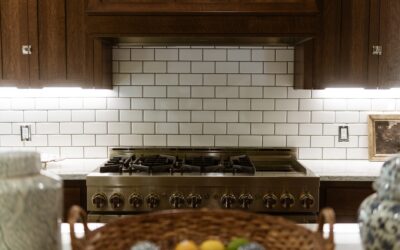
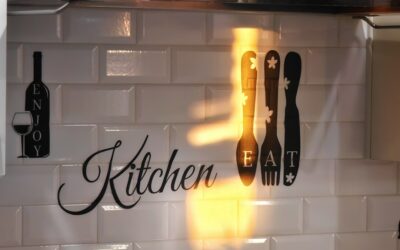
Subway tile remains the most popular backsplash choice in American kitchens for good reason — it is affordable ($1 to $5 per square foot), universally flattering, and works with every kitchen style from farmhouse to modern. The classic 3×6-inch white subway tile with white or light gray grout creates a clean, timeless look that will not feel dated in 10 years.
Modern twists on the classic: Oversize subway tiles (4×12 or 4×16) create a more contemporary feel with fewer grout lines. Beveled edges add shadow and dimension. A vertical stack layout instead of the traditional running bond pattern gives subway tile a fresh, modern look that stands apart from the standard.
Grout color matters. White grout creates a seamless, clean look. Dark gray or charcoal grout turns the same white tile into a graphic, high-contrast statement. The tile is the same — the grout color completely changes the mood.
Cost: $2 to $10 per square foot installed (one of the most affordable backsplash options).
2. Marble-Look Porcelain
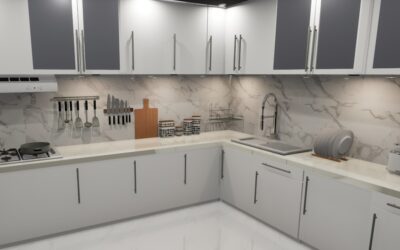
Real marble backsplashes are stunning but expensive, porous, and prone to etching from acidic foods like lemon juice and tomato sauce. Marble-look porcelain tiles offer the same dramatic veining at a fraction of the cost and maintenance.
Modern porcelain printing technology produces remarkably realistic marble patterns — Calacatta, Carrara, and Statuario styles are all available. Large-format porcelain slabs (up to 48×96 inches) can be installed with almost no grout lines, mimicking the look of a solid marble slab.
Best for: Transitional and traditional kitchens, white or cream cabinets, quartz countertops. Marble-look porcelain also pairs beautifully with marble-look kitchen flooring for a coordinated design.
Cost: $5 to $15 per square foot installed for standard tiles; $15 to $30 per square foot for large-format slabs.
3. Herringbone Pattern
The herringbone layout arranges rectangular tiles at opposing 45-degree angles, creating a dynamic V-shaped zigzag pattern. It elevates even the most basic tile into something visually striking.
Herringbone works with subway tiles, wood-look planks, marble-look tiles, and natural stone. Smaller tiles (1×3 or 2×6 inches) create a tighter, more intricate pattern. Larger tiles (3×6 or 3×12) produce a bolder, more dramatic effect.
Installation note: Herringbone requires more cuts and more time than a standard running bond layout. Expect labor costs 20% to 30% higher than straight-set patterns. The edges of the backsplash require precise angle cuts.
Cost: $8 to $20 per square foot installed (higher labor due to pattern complexity).
4. Bold Patterned Tile
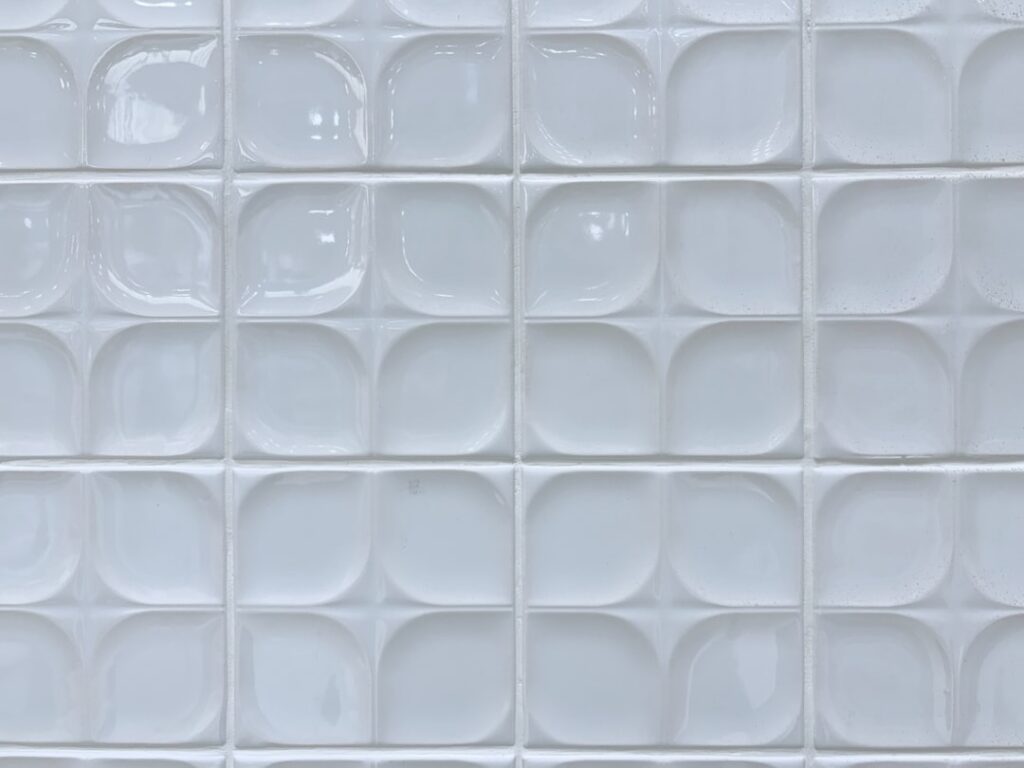
Patterned cement tiles, encaustic-look porcelain, and bold geometric designs are a major trend for homeowners who want their backsplash to be the focal point of the kitchen. Think Moroccan-inspired motifs, Spanish patterns, or modern geometric shapes in contrasting colors.
Patterned tiles work best in smaller doses — a full wall of bold pattern can overwhelm, but a backsplash-sized section is just right. Pair patterned tiles with simple, solid-color cabinets and minimal countertops to let the tile be the star.
True cement tiles are handmade and porous, requiring sealing. Porcelain reproductions of cement tile patterns offer the same look with zero maintenance — and are the better choice for behind a stove where grease splatters are constant.
Cost: $8 to $25 per square foot installed (authentic cement tiles at the higher end).
5. Natural Stone
Natural stone backsplashes — marble, travertine, slate, and quartzite — bring organic texture and one-of-a-kind character that no manufactured tile can truly replicate. Each piece has unique veining, color variation, and surface texture.
Marble is the most popular natural stone for backsplashes but requires regular sealing and careful maintenance around stoves. Slate offers a moodier, textured look with better stain resistance. Quartzite provides marble-like beauty with significantly better durability.
Maintenance reality: All natural stone requires sealing upon installation and resealing every 1 to 2 years. Acidic foods can etch polished marble surfaces. If low maintenance is a priority, choose honed (matte) finishes over polished — etching is less visible on matte surfaces.
Cost: $10 to $40 per square foot installed depending on stone type and slab vs tile format.
6. Glass Tile
Glass tile backsplashes add luminosity and depth that opaque tiles cannot match. Light passes through the glass and reflects off the wall behind, creating a glowing, jewel-like effect — especially in kitchens with under-cabinet lighting.
Glass tiles come in solid colors, iridescent finishes, and translucent styles. Popular formats include small mosaics (1×1 or 2×2 inch), linear strips, and larger 3×6-inch glass subway tiles.
Pros: Non-porous (no sealing needed), easy to clean, does not stain, vibrant color options. Cons: Shows smudges and water spots more than opaque tile, requires special thin-set adhesive (white, not gray — gray shows through translucent glass), and chips more easily than ceramic or porcelain.
Cost: $8 to $30 per square foot installed.
7. Metallic and Metal-Look Tile
Metallic tiles — stainless steel, copper, bronze, and brass-look options — bring an industrial or glamorous edge to kitchen backsplashes. Real metal tiles are available from specialty manufacturers, but metal-look porcelain and ceramic tiles offer similar aesthetics at lower cost.
Stainless steel mosaics complement modern and industrial kitchens. Copper and bronze tones warm up traditional spaces. Mixed-metal mosaics (combining silver, gold, and bronze) create a layered, sophisticated look.
Best for: Modern, industrial, and contemporary kitchens. Metal backsplashes pair well with stainless steel appliances and dark cabinets.
Cost: $10 to $35 per square foot installed (real metal); $5 to $15 for metal-look porcelain.
8. Zellige Tile
Zellige (pronounced “zeh-LEEJ”) is a handmade Moroccan tile known for its irregular surface, subtle color variation, and handcrafted charm. Each tile is slightly different in thickness, color, and texture — creating a beautifully imperfect, artisanal look that is impossible to replicate with machine-made tile.
Authentic zellige is made from Moroccan clay, hand-cut, and glazed with natural pigments. The most popular color is white, which ranges from bright white to cream with subtle gray and blue undertones across the installation. Green, blue, and terracotta are also popular.
Installation considerations: Zellige’s irregular thickness requires a skilled installer who can adjust thin-set depth tile by tile. Grout lines will not be perfectly uniform — which is part of the aesthetic. Expect 10% to 15% waste due to variations and breakage.
Cost: $15 to $40 per square foot installed (authentic Moroccan zellige); $8 to $20 for zellige-look ceramic alternatives.
9. Open Shelving with Backsplash
Combining a decorative backsplash with floating open shelves creates a layered, functional design that is trending heavily in modern and farmhouse kitchens. The backsplash tile extends behind and around the shelves, creating visual continuity and turning everyday dishes and cookbooks into display items.
Planning tips: Install the full backsplash tile first, then mount the shelves over it. Use subway tile or a simple pattern behind shelves — busy patterns get lost behind stacked dishes. Choose shelf brackets that complement the tile color and kitchen hardware.
Practical considerations: Open shelves require regular dusting and organized curation. Items on display should be intentional, not cluttered. Mix functional pieces (everyday plates, mugs) with decorative items (plants, small art) for the best look.
10. Full-Height Backsplash
Instead of a standard 18-inch backsplash between countertop and upper cabinets, a full-height backsplash extends from counter to ceiling — or covers the entire wall behind the range. This dramatic treatment makes the backsplash a major design feature rather than a utilitarian strip.
Full-height backsplashes work especially well in kitchens with no upper cabinets on one or more walls, behind range hoods, or on accent walls visible from adjoining living spaces. They create a sense of height and make the kitchen feel larger.
Best materials for full-height: Large-format porcelain slabs minimize grout lines over large areas. Natural stone slabs (marble, quartzite) create a jaw-dropping focal point. Simpler tiles like subway or zellige also work well when extended to ceiling height.
Cost: 2x to 3x the cost of a standard-height backsplash due to increased material and labor.
11. Countertop-Matching Backsplash
Extending the same material from countertop to backsplash creates a seamless, monolithic look. This approach works with quartz, granite, marble, and porcelain slab countertops. The backsplash is typically a 4 to 6-inch strip of the same slab material, though full-height versions are increasingly popular.
Advantages: Creates visual continuity, simplifies material selection, no grout to maintain, easy to clean. Disadvantages: Can feel monotonous without contrasting elements, limits design flexibility, slab backsplash installation requires precision.
Design tip: If the countertop has strong veining (like Calacatta quartz), book-match the backsplash slab so the veining flows continuously from the counter up the wall.
Backsplash Material Comparison
| Material | Cost (per sq ft installed) | Maintenance | Durability | Best Kitchen Style |
|---|---|---|---|---|
| White subway (ceramic) | $2 – $10 | Low | High | Any style |
| Marble-look porcelain | $5 – $15 | Low | High | Traditional, transitional |
| Natural marble | $15 – $40 | High (seal regularly) | Moderate | Traditional, luxury |
| Glass mosaic | $8 – $30 | Low | Moderate (chips) | Modern, eclectic |
| Zellige | $15 – $40 | Moderate | Moderate | Eclectic, Mediterranean |
| Patterned cement | $8 – $25 | High (seal regularly) | High | Eclectic, bohemian |
| Metallic | $10 – $35 | Low | High | Modern, industrial |
For coordinating your backsplash with flooring, see our guides on tile flooring and explore patterns like hexagon tile that work on both walls and floors.
Frequently Asked Questions
What is the most popular kitchen backsplash for 2026?
White subway tile remains the most popular overall due to its affordability and versatility. However, zellige, herringbone patterns, and large-format marble-look porcelain slabs are the fastest-growing trends in 2026, especially in mid-range and higher-end renovations.
What is the cheapest kitchen backsplash option?
Ceramic subway tile is the cheapest backsplash material at $1 to $5 per square foot for materials. With DIY installation, a typical 30-square-foot backsplash can cost under $200 in materials. Peel-and-stick tiles ($2 to $8 per square foot) are even easier to install but less durable long-term.
How tall should a kitchen backsplash be?
Standard backsplash height is 18 inches (the typical distance between countertop and bottom of upper cabinets). Behind the range, backsplashes often extend higher — to the bottom of the range hood, typically 24 to 30 inches above the counter. Full-height backsplashes run from counter to ceiling.
Can I install a backsplash myself?
Yes. A standard ceramic or porcelain backsplash is a beginner-friendly tile project. The area is small, cuts are minimal, and mistakes are easy to fix before grout sets. Glass tile and natural stone require more skill due to fragility and cutting difficulty. Large-format slabs should be installed by a professional.
Should the backsplash match the countertop or the floor?
The backsplash should complement both but does not need to match either exactly. A common approach is choosing a backsplash that contains colors found in both the countertop and the floor — for example, a marble-look backsplash with gray veining that echoes a gray countertop and light hardwood floors.
How do I clean kitchen backsplash tile?
Most ceramic and porcelain backsplash tiles clean easily with warm water and dish soap. For grease behind the stove, use a degreasing spray. Natural stone requires pH-neutral cleaners — avoid vinegar and citrus-based products. Glass tile can be cleaned with standard glass cleaner for a streak-free shine.
Prefer to explore on your own?
See how new flooring looks in your actual room in seconds — free, no signup.
Try the free Floor Studio →