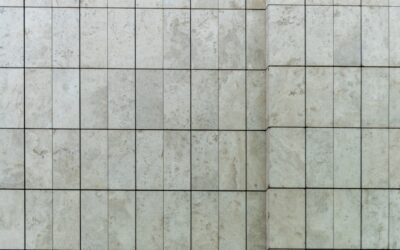
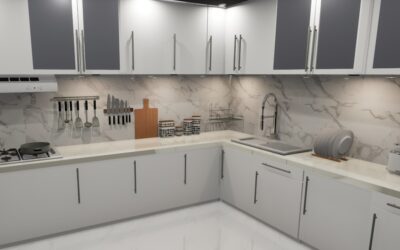
A white kitchen backsplash is the cornerstone of clean, bright kitchen design. It works in every style from farmhouse to ultra-modern, pairs with any cabinet color, and creates a timeless backdrop that won’t date your renovation. But “white backsplash” covers an enormous range of options — from a simple $2 subway tile to a $60 Calacatta marble slab — and the differences in material, pattern, and finish are what separate an ordinary kitchen from an extraordinary one.
Part of our Kitchen Remodeling guide — explore the full guide →
We have been helping homeowners design and install kitchens for over 30 years, and white kitchen backsplash ideas are by far the most frequently requested topic we discuss with clients. This guide covers the most popular styles, practical comparisons between finishes, grout strategies, and budget-conscious alternatives that still look premium.
Classic Subway Tile
White subway tile has been the default kitchen backsplash for over a century, and there is no sign of that changing. The rectangular format — traditionally 3×6 inches — creates clean horizontal lines that suit every kitchen style. Its enduring popularity comes down to simplicity, affordability, and universal compatibility.
Modern subway tile options go well beyond the standard format:
- 3×6 classic — The original proportion. Timeless and universally available at $1.50 to $5 per square foot.
- 4×12 or 4×16 elongated — A more contemporary proportion with fewer grout lines. Creates a sleeker, more modern appearance.
- Handmade or zellige-style — Slightly irregular edges and an undulating glaze surface give each tile a unique character. This is the hottest white subway tile trend in 2026, with prices from $8 to $25 per square foot.
- Beveled edge — Tiles with a beveled perimeter that catches light and adds depth. A classic look that works especially well in traditional and transitional kitchens.
The layout makes a significant difference too. Standard brick-lay offset is the most familiar, but stacking subway tile vertically, running it in a herringbone pattern, or installing it in a crosshatch creates entirely different looks from the same tile.
Marble Backsplash Options
White marble is the luxury benchmark for kitchen backsplashes. The natural veining in marble creates organic movement that no manufactured tile can perfectly replicate.
Carrara marble — Soft gray veining on a white background. It is the most affordable and widely available white marble, costing $10 to $25 per square foot. Carrara works in both classic and modern kitchens.
Calacatta marble — Dramatic veining with warm gold undertones. Calacatta is the designer’s choice for high-end white kitchens. Expect to pay $25 to $60 per square foot.
Thassos marble — A pure, bright white marble with minimal veining. Thassos delivers a clean, almost crystalline appearance. It costs $15 to $35 per square foot.
Marble mosaic — Small marble tiles arranged in herringbone, basketweave, or hexagon patterns combine the luxury of marble with the detail of mosaic work. Marble mosaics cost $12 to $40 per square foot.
All marble requires sealing every six to twelve months to protect against kitchen stains. For lower maintenance with a similar look, marble-look porcelain tile has improved dramatically and costs a fraction of the real thing at $3 to $12 per square foot.
Herringbone and Chevron Patterns
Herringbone is the pattern of the moment for white kitchen backsplashes, and for good reason. The V-shaped arrangement adds dynamic movement and sophistication that a standard brick-lay pattern cannot match.
Herringbone — Tiles are cut at 90-degree angles and laid in alternating directions. The ends are staggered, creating a zigzag effect. This works with subway tile, marble strips, and wood-look porcelain.
Chevron — Similar to herringbone but with tiles cut at an angle so the ends align in a clean V shape. Chevron creates sharper, more defined lines and feels slightly more formal.
Both patterns require more cuts and precise layout than a standard installation, which increases labor cost by roughly 15 to 25 percent. The visual payoff is worth it, especially behind a range where the pattern becomes the kitchen’s focal point.
For a white kitchen, herringbone in Carrara marble or white porcelain with a contrasting grout is one of the strongest design combinations available. It balances the simplicity of white with enough visual complexity to prevent the space from feeling flat.
Matte vs Glossy Finishes
The finish of a white tile changes the entire feel of the kitchen. Here is how to decide between matte and glossy:
Glossy finish
- Reflects light and makes small kitchens feel larger
- Easier to wipe clean — smooth surface repels grease
- Shows water spots, fingerprints, and smudges more readily
- Creates a brighter, more polished appearance
- Best for: modern, transitional, and coastal kitchens
Matte finish
- Absorbs light for a softer, more understated look
- Hides water spots and fingerprints well
- Slightly more difficult to clean because the texture traps grease
- Creates a warmer, more relaxed atmosphere
- Best for: farmhouse, Scandinavian, and minimalist kitchens
Satin finish — A middle ground between matte and glossy. Satin has a subtle sheen without the full reflectivity of a glossy tile. It combines the easy-clean benefit of glossy with the fingerprint resistance of matte. Satin is our most recommended finish for white kitchen backsplashes.
Choosing Grout Color
Grout color has a dramatic effect on how a white backsplash looks. It is arguably the most underappreciated design decision in a kitchen renovation.
White grout — Creates a seamless, monolithic look where the tiles blend together. The result is clean and minimal. White grout requires more maintenance to keep looking fresh, though epoxy grout resists discoloration far better than traditional cement grout.
Light gray grout — Subtly defines each tile without creating stark contrast. This is the most popular choice for white subway tile backsplashes because it balances visibility with softness. It also ages more gracefully than pure white grout.
Dark gray or charcoal grout — Makes every tile edge pop with graphic contrast. A white subway tile with dark grout looks completely different from the same tile with white grout. This combination suits industrial, modern, and farmhouse kitchens.
Black grout — The most dramatic option. Black grout with white tile creates a bold, high-contrast grid that reads as intentional and designer-driven. Use it when you want the tile pattern to be the room’s defining feature.
Shaped and Textured Tiles
Moving beyond the rectangle opens up a world of white backsplash possibilities:
Arabesque or lantern shape — Curvy, Moorish-inspired tiles that add an exotic, elegant touch to a white kitchen. Available in ceramic and porcelain from $6 to $18 per square foot.
Fish scale (fan shape) — Scalloped tiles arranged in overlapping rows. Fish scale tile is one of the most distinctive white backsplash options and works beautifully in coastal and art deco kitchens. Costs $8 to $22 per square foot.
Hexagon — White hexagon tiles in small (1-inch) or large (4- to 6-inch) formats add geometric interest. Small hexagons read as vintage; large hexagons feel contemporary.
3D relief tile — White tiles with raised geometric patterns, waves, or diamond shapes that create shadow and depth. These tiles work best as a feature section behind the range. Costs $10 to $35 per square foot.
Penny round — Small circular tiles on a mesh backing. In matte white, penny rounds deliver a retro feel that pairs well with mid-century modern and vintage kitchen designs.
Budget-Friendly White Backsplash Options
You do not need to spend a fortune to get a beautiful white backsplash. These options deliver great results at lower price points:
- Basic white ceramic subway tile — As low as $1.50 per square foot. A 30-square-foot kitchen backsplash can cost under $150 for materials, making it one of the most affordable home upgrades available.
- Peel-and-stick tile — Quality peel-and-stick backsplash tiles start around $3 per square foot and require no grout, thinset, or special tools. They are removable, making them ideal for renters.
- White beadboard panels — MDF beadboard costs under $2 per square foot and installs in a few hours with adhesive and brad nails. Paint it glossy white for a clean, cottage-style backsplash.
- Marble-look porcelain — Get the marble aesthetic for $3 to $12 per square foot with zero sealing requirements.
- Painted drywall with polyurethane — In a pinch, a fresh coat of semi-gloss white paint protected with clear polyurethane functions as a backsplash for areas with minimal splash exposure.
2026 White Backsplash Trends
The white backsplash is evolving. Here are the trends defining white kitchen backsplash ideas in 2026:
Zellige tile dominance — Handmade Moroccan zellige tile with its imperfect surface and rich glaze has become the top white backsplash trend. The subtle color variations and organic texture give white tile a warmth that machine-made options lack.
Floor-to-ceiling backsplash — Extending the backsplash all the way to the ceiling on walls without upper cabinets creates a dramatic, high-end look that makes the room feel taller.
Oversized subway tile — The 4×12 and 4×16 formats are overtaking the classic 3×6 proportion. Fewer grout lines and a more modern scale give kitchens a cleaner, more contemporary feel.
Warm whites — Cool blue-white tiles are giving way to creamy, warm-white tones that feel inviting rather than clinical. This shift reflects the broader movement toward warmth in kitchen design.
Textured neutrals — White tiles with 3D surfaces, fluted patterns, and tactile finishes add visual depth to an all-white kitchen without introducing color. Texture is the new accent.
Frequently Asked Questions
What is the most popular white kitchen backsplash?
White subway tile in a brick-lay pattern remains the single most popular white kitchen backsplash. It is affordable, timeless, and available everywhere. In 2026, handmade zellige-style subway tile is the fastest-growing subcategory within that space.
Does a white backsplash get dirty easily?
White tile itself stays clean because ceramic, porcelain, and glass are non-porous and wipe down easily. White grout is the maintenance challenge — it can discolor over time if not sealed properly. Using epoxy grout or a grout sealer solves this problem. Choose a satin or glossy finish for the easiest cleaning.
Is a white backsplash boring?
Only if you choose a basic tile and basic layout with no attention to texture, pattern, or grout contrast. A white herringbone marble backsplash, a zellige subway tile with dark grout, or a 3D relief white tile is anything but boring. The material and execution determine whether white reads as boring or beautiful.
What grout color is best with a white backsplash?
Light gray is the most versatile grout color for a white backsplash. It defines the tile pattern subtly without the high maintenance of pure white grout or the boldness of dark grout. For a seamless look, use white grout. For a graphic, modern look, use charcoal or black.
How do I make an all-white kitchen interesting?
Layer different textures, finishes, and materials in the same white palette. Combine a matte white backsplash tile with a glossy white countertop and warm wood shelving. Add brass or matte black hardware for contrast. Vary the tile shape or pattern to create visual interest without adding competing colors.
Prefer to explore on your own?
See how new flooring looks in your actual room in seconds — free, no signup.
Try the free Floor Studio →