The backsplash is the one spot in a kitchen where you can take a real design risk without committing to a five-figure renovation. Current kitchen backsplash trends are moving away from the safe white subway tile that dominated the last decade and toward bolder textures, full-height drama, and natural materials with character. Covering roughly 30 square feet in an average kitchen, a backsplash is small enough to splurge on yet visible enough to transform the entire room. Here’s where design is heading and what each trend costs to execute.
Part of our Kitchen Remodeling guide — explore the full guide →
- Full-Height Slab Backsplashes
- Zellige and Handmade Tile
- Bold Color and Pattern
- Textured and Dimensional Tile
- Vertical and Stacked Layouts
- Natural Stone and Marble Looks
- Mixing Materials and Metallics
- Open Shelving and the Backsplash
- Grout Color as a Design Choice
- Choosing a Trend That Lasts
- The Bottom Line
Full-Height Slab Backsplashes
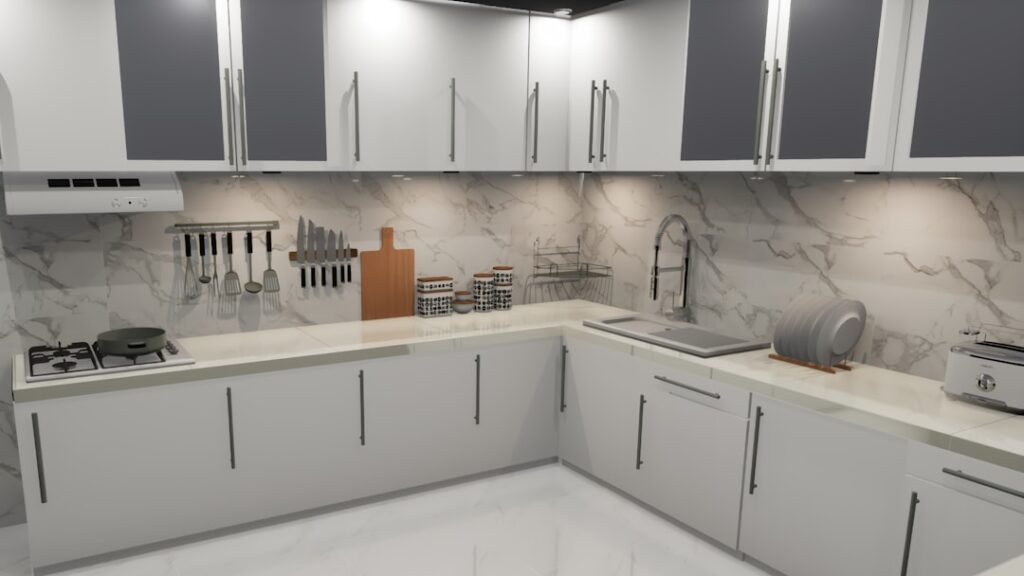
The most dramatic shift in kitchen design is the slab backsplash that runs from countertop to the underside of the upper cabinets, or all the way to the ceiling behind a range. Using a single continuous sheet of quartz, marble, or porcelain, often matching the countertop, creates a seamless, grout-free expanse that reads as luxurious and modern. Expect to pay $50 to $120 per square foot installed, more for premium marble, but the look is unmistakably high-end and easy to wipe clean.
Zellige and Handmade Tile
Homeowners are embracing imperfection. Zellige tiles, the handmade glazed clay tiles originating in Morocco, have surged in popularity for their uneven surfaces, subtle color variation, and the way they catch light differently across the wall. Each tile is slightly different, giving the backsplash a living, artisanal quality that machine-made tile can’t replicate. Zellige runs $15 to $50 per square foot, and the irregular edges mean installation takes a skilled hand. The look pairs beautifully with both modern and warm, organic kitchens.
Bold Color and Pattern
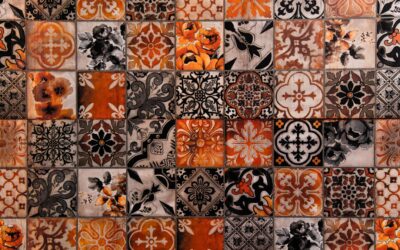
After years of all-white kitchens, color is back. Deep greens, terracotta, navy blue, and warm earth tones are showing up on backsplashes as homeowners crave warmth and personality. Patterned cement tiles and graphic geometric designs make the backsplash a focal point rather than a neutral backdrop. If you’re nervous about commitment, a bold backsplash is the lowest-risk place to experiment, since it’s far cheaper to replace than cabinets or counters.
Textured and Dimensional Tile
Flat is giving way to dimension. Three-dimensional tiles, fluted and ribbed surfaces, and tiles with raised geometric relief add tactile interest and play with shadow throughout the day. Fluted ceramic and stone, in particular, bring a soft vertical rhythm that feels current and sophisticated. These textured options range from $10 to $40 per square foot and instantly elevate an otherwise plain wall.
Vertical and Stacked Layouts
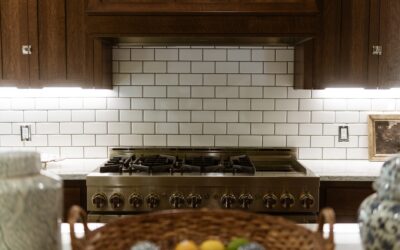
Even classic subway tile is getting a fresh treatment through orientation. Instead of the traditional horizontal offset, designers are stacking tiles vertically or in a straight grid to create clean, contemporary lines that draw the eye upward and make ceilings feel taller. The herringbone and chevron layouts also remain popular for adding movement. Changing only the layout costs nothing extra in material and completely updates a familiar tile.
Natural Stone and Marble Looks
Marble continues its reign, whether in genuine slab form or as marble-look porcelain that delivers the veining without the maintenance. Calacatta and Carrara patterns, with their dramatic gray veining on white, feel timeless and bright. For homeowners who want the look without sealing and stain worries, porcelain that mimics marble costs less, around $5 to $25 per square foot, and shrugs off splashes and acids that would etch real stone.
Mixing Materials and Metallics
Layering is a quiet but growing trend. Combining a stone slab behind the range with tile elsewhere, or adding a thin metal accent strip, gives a kitchen custom character. Brass, brushed gold, and matte black accents tie the backsplash to cabinet hardware and lighting for a cohesive look. Just keep the mix restrained, two materials and one metal finish is plenty before a kitchen starts to feel busy.
Open Shelving and the Backsplash
The move toward open shelving and fewer upper cabinets has changed how backsplashes work. With cabinets removed, the backsplash often runs higher up the wall, becoming a much larger visual surface rather than a narrow band between counter and cabinet. This is fueling the full-height and slab trends, since an unbroken expanse of tile or stone behind floating wood shelves reads as a deliberate design statement. If you’re considering open shelving, plan the backsplash to extend up to where the shelves sit, and choose a material with enough character to carry that larger area on its own.
Grout Color as a Design Choice
Grout is no longer an afterthought. Designers now treat grout color as a deliberate part of the look. Matching grout to the tile creates a seamless, monolithic surface that feels modern and calm, while contrasting grout, dark gray against white tile, for example, emphasizes the tile shape and adds a graphic, handcrafted edge. Dark grout also hides the cooking grease and grime that plague light grout behind a stove, making it both a style and a maintenance win. For a classic look that stays clean, a mid-tone gray grout is forgiving and timeless across many tile colors.
Choosing a Trend That Lasts
Not every trend deserves your money. Before committing, ask how long you’ll live in the home and how easily the choice could date. Slab backsplashes, natural stone looks, and handmade tile have staying power because they lean on timeless materials rather than fleeting novelty. Loud patterned cement tile and very trendy colors are exciting but riskier for resale, so reserve those for a home you’ll enjoy yourself rather than sell soon. Also weigh practicality: a backsplash behind a busy cooktop should be easy to wipe, which makes large-format tile and slabs more forgiving than heavily textured surfaces that trap grease.
The Bottom Line
Today’s kitchen backsplash trends reward personality, texture, and natural materials over the safe white grid of years past. Full-height slabs, handmade zellige, bold color, dimensional tile, and fresh layouts all offer ways to make a kitchen feel current and custom. Pick a direction that fits your budget, your maintenance tolerance, and how long you plan to stay, and the backsplash will become the detail people remember about your kitchen.