Choosing a trending backsplash is one of the highest-impact decisions in a kitchen or bathroom remodel, because that strip of wall between the counter and cabinets frames the whole room. A well-chosen backsplash pulls together your countertops, cabinetry, and hardware, and it’s often the detail guests notice first. The good news is that today’s popular looks range from bold statement walls to quiet, texture-driven neutrals, so there’s a direction for every taste.
Part of our Kitchen Remodeling guide — explore the full guide →
Trends move fast, but the styles gaining momentum right now share common threads: natural texture, larger formats, warmer tones, and a move away from the plain white grid that dominated the last decade. Here’s what’s rising, what each look costs, and how to pick one that will still feel right in ten years.
- Zellige and Handmade Tile
- Full-Height Slab Backsplashes
- Bold Color and Statement Walls
- Vertical and Elongated Layouts
- Natural Stone and Textured Surfaces
- Metallics, Mixed Materials, and Finishing Details
- Warm Neutrals and the Move Away From Stark White
- What These Trends Cost at a Glance
- How to Pick a Trend You Won't Regret
Zellige and Handmade Tile
Zellige, the handmade Moroccan clay tile, leads the current wave of texture-forward backsplashes. Each piece is glazed and fired by hand, so no two are identical; you get subtle color variation, glossy irregular surfaces, and organic edges that catch light beautifully. Homeowners love how it adds soul and craftsmanship to an otherwise sleek modern kitchen.
Expect to pay $15 to $50 per square foot for genuine zellige, plus higher installation labor because the irregular tiles demand a skilled setter. Popular colors trend toward warm whites, sage greens, terracotta, and deep teal. If the budget is tight, several manufacturers now make porcelain zellige-look tiles that capture the vibe for $6 to $12 per square foot.
Full-Height Slab Backsplashes
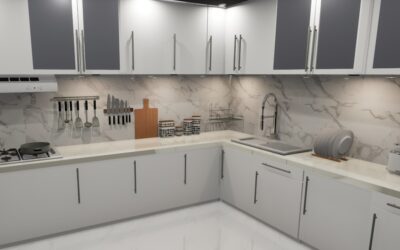
Running the same stone or quartz from countertop to upper cabinets, or all the way to the range hood, creates a seamless, luxurious slab backsplash with almost no grout lines. This look feels custom and high-end, and it’s especially striking with dramatic veined quartz or marble where the veining flows uninterrupted up the wall.
Because you’re buying more of the same slab material, costs run $50 to $150 per square foot installed, making it one of the pricier options. The payoff is a showpiece wall that’s incredibly easy to wipe clean since there are no joints to trap grease. It’s a favorite in modern and transitional kitchens aiming for a gallery-like calm.
Bold Color and Statement Walls
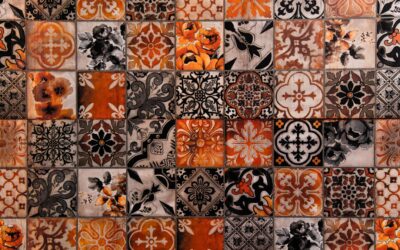
After years of all-white kitchens, color is back. Deep greens, navy blues, glossy blacks, and earthy terracottas are showing up as full backsplash statements, often paired with brass or matte-black hardware. A saturated backsplash lets homeowners inject personality without repainting an entire room.
- Green — sage to emerald, pairs naturally with wood and warm metals
- Blue — navy and cobalt read classic yet fresh against white cabinets
- Black — glossy or matte for a dramatic, modern edge
- Terracotta and clay — warm, grounding tones that feel handmade
Color-block glossy ceramics in these hues stay affordable at $4 to $12 per square foot, so a statement look doesn’t have to break the budget.
Vertical and Elongated Layouts
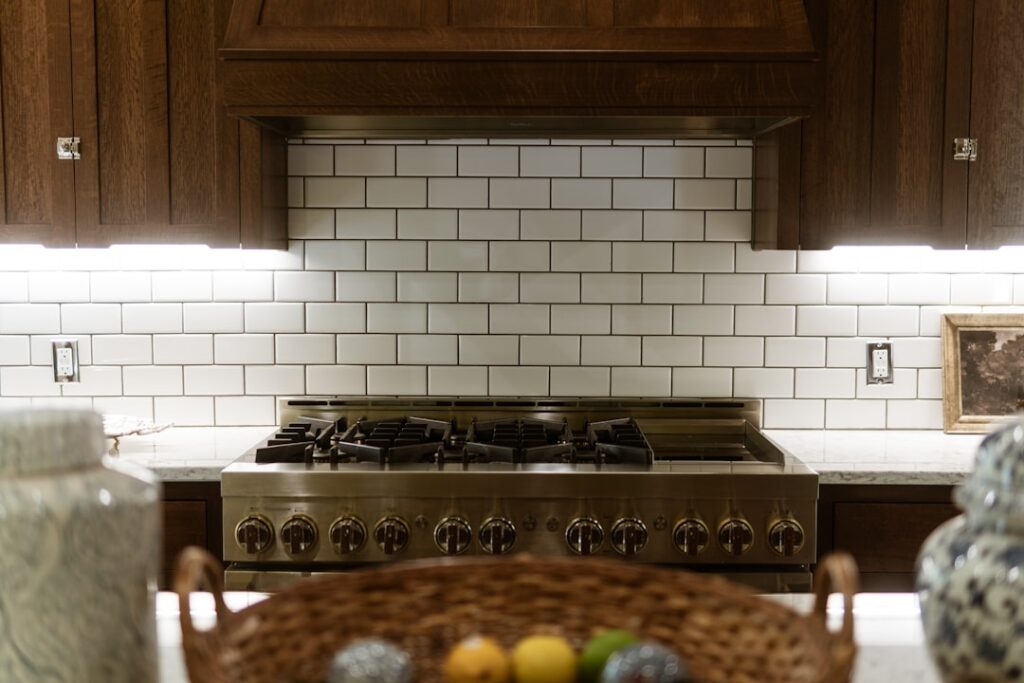
The way tile is oriented has become a trend in itself. Setting subway tile vertically, stacking it in a clean grid, or using elongated 3-by-12 formats draws the eye upward and gives kitchens a taller, more contemporary feel. Vertical stacks in particular have replaced the traditional horizontal offset as the go-to modern layout.
Herringbone remains strong for adding movement, and chevron, its mitered cousin, brings an even more tailored zigzag. These layouts cost the same in materials as standard tile but add 15 to 30 percent in labor because of the extra cutting and alignment. The result is a backsplash that feels designed rather than defaulted.
Natural Stone and Textured Surfaces
Texture is a defining theme of current backsplash design. Split-face stone, fluted and ribbed tile, limestone, and honed marble bring tactile depth that flat glossy tile can’t match. Fluted tile, with its vertical grooves, has surged in popularity for adding subtle shadow lines and a sophisticated, architectural quality.
Natural stone backsplashes run $10 to $30 per square foot and require sealing to resist stains, especially behind a cooktop. Textured porcelain alternatives offer the same visual interest with less maintenance for $8 to $15 per square foot. Both work beautifully in kitchens leaning organic, spa-like, or warm-modern.
Metallics, Mixed Materials, and Finishing Details
Small details are quietly trending alongside the big statement walls. Metal accents, from brushed brass edge trim to thin stainless inlays, add a jewelry-like finish that elevates an otherwise simple tile. Designers are also mixing materials within a single backsplash, pairing a stone slab behind the range with tile on the flanking walls, or combining glossy and matte tiles for subtle depth.
Edge treatment is another place trends show up. In place of traditional bullnose or plastic trim, homeowners increasingly choose metal Schluter profiles in brass, black, or brushed nickel to finish exposed tile edges cleanly. A mitered edge, where two tiles meet at a crisp 45-degree corner, gives an even more seamless, custom look. These finishing touches cost little relative to the tile itself but dramatically raise how polished the final wall reads.
Warm Neutrals and the Move Away From Stark White
The all-white kitchen isn’t gone, but it’s warming up. Creamy whites, greige, oatmeal, and soft taupe tones are replacing the cool bright whites that defined the last decade. These warmer neutrals pair naturally with wood cabinetry, brass hardware, and the earthy stone countertops that are also on the rise.
Texture reinforces the shift. A warm-white zellige or a fluted cream tile delivers the light, airy feeling homeowners still want while adding the handmade character that flat glossy white lacks. If you love a neutral backsplash but worry it will feel dated, leaning warm rather than stark is the safest way to stay current without chasing a bolder trend you might tire of.
What These Trends Cost at a Glance
Budgeting helps narrow the field quickly. Here’s a rough per-square-foot range for materials on the styles covered:
- Glossy colored ceramic — $4 to $12
- Porcelain zellige-look — $6 to $12
- Textured porcelain — $8 to $15
- Natural stone — $10 to $30
- Genuine zellige — $15 to $50
- Full slab quartz or marble — $50 to $150 installed
For a standard 30-square-foot backsplash, most homeowners spend $600 to $1,500 all-in for tile styles, while a full slab can reach several thousand dollars. Always add 10 to 15 percent extra material for cuts and future repairs.
How to Pick a Trend You Won’t Regret
Trends are inspiration, not obligation. The smartest approach is to choose a look that complements your countertops and cabinets rather than fighting them, and to favor styles with staying power over gimmicks. Handmade texture, natural stone, and warm neutrals tend to age gracefully, while ultra-specific novelty patterns can date quickly.
Before committing, order full-size samples and tape them to the wall in your actual lighting, both daylight and evening. Live with the choice for a few days and notice how it reads against your counters and floors. A trending backsplash only succeeds if it still feels like your kitchen, so let personal taste anchor the trend rather than the other way around.