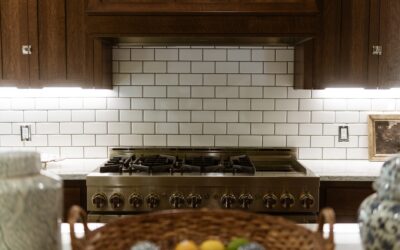
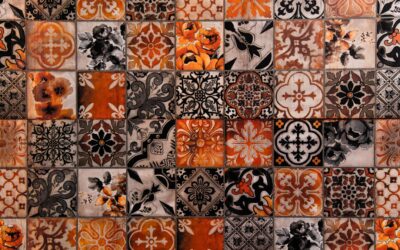
Walk into any tile showroom this year and you will notice the crisp white subway grid that dominated the last decade has quietly moved to the back wall. The newest bathroom tile trends lean warmer, more textured, and far more personal than the safe grays and stark whites homeowners chased for years. As a contractor who installs somewhere north of 40 bathrooms annually, I have watched taste shift from “resale-safe neutral” toward rooms that actually feel like retreats. This guide breaks down what is genuinely trending, what is worth your budget, and which fads will look dated by the next remodel.
Part of our Bathroom Remodeling & Flooring guide — explore the full guide →
- Warm Earth Tones Replace Cool Grays
- Zellige and Handmade Textures
- Large-Format Slabs and Fewer Grout Lines
- Vertical and Playful Layout Patterns
- Statement Floors and the Checkerboard Comeback
- Texture, Fluting, and 3D Dimension
- Natural Stone Looks Without the Maintenance
- Which Bathroom Tile Trends Are Worth Your Money
- Coordinating Tile With Fixtures and Grout
- Final Thoughts Before You Buy
Warm Earth Tones Replace Cool Grays
The single biggest change I see on job sites is color temperature. For roughly ten years, cool gray porcelain ruled every builder-grade bathroom. That era is fading fast. Terracotta, clay, sand, olive, and soft ochre are now the requests landing in my inbox. These warmer hues make small windowless bathrooms feel inviting rather than clinical, and they pair beautifully with brushed brass and matte black fixtures.
If you are nervous about committing to a bold clay floor, start with a warm-toned grout instead of stark white. Swapping a bright white grout for a greige or almond shade softens even a plain white tile and instantly reads more current. It costs nothing extra and completely changes the mood of the room.
Zellige and Handmade Textures
Zellige tile, the handmade Moroccan clay tile with its rippled, glossy, slightly imperfect surface, has jumped from designer magazines to mainstream showrooms. Each piece catches light differently, giving a wall a depth that flat machine-made tile simply cannot fake. Expect to pay $15 to $30 per square foot for authentic zellige, plus higher labor because the irregular edges demand a patient installer and tighter grout joints.
If the budget is tight, several manufacturers now sell porcelain “zellige-look” tile for $6 to $10 per square foot. It lacks the true handmade glow, but from a few feet away most guests never notice. For a powder room accent wall, the real thing is worth the splurge; for a full shower surround, the porcelain version keeps costs sane.
Large-Format Slabs and Fewer Grout Lines
On the opposite end from tiny handmade tile, large-format porcelain slabs are surging. Panels measuring 24 by 48 inches, or even full 5-by-10-foot gauged slabs, cover a shower wall with just one or two grout seams. Fewer joints mean less grout to scrub and a seamless, spa-like look that photographs incredibly well.
The catch is handling. These sheets are heavy, fragile before they are bonded, and require specialized suction cups and a dead-flat substrate. This is not a weekend DIY project. Budget $12 to $25 per square foot for the material and expect labor to run higher than standard tile because a two-person crew and precision leveling are mandatory.
Vertical and Playful Layout Patterns
Even classic shapes are getting a fresh treatment through layout. Vertical stacked subway tile stretches a low ceiling upward. Herringbone and vertical brick bond add movement without introducing a single new color. Among the bathroom tile trends gaining the most traction, creative layouts deliver the biggest visual payoff for the least material cost.
- Vertical stack: clean, modern, makes ceilings feel taller
- Herringbone: dynamic and timeless, great on floors and niches
- Vertical brick offset: a modern twist on the classic running bond
- Checkerboard: back in a big way for floors, especially in black and white or two earth tones
Statement Floors and the Checkerboard Comeback
Bathroom floors used to be an afterthought, chosen to disappear beneath the vanity. Now they are becoming the star. The checkerboard floor, once considered dated, has returned with a vengeance, though the palette has softened from harsh black-and-white to combinations like terracotta and cream or forest green and bone. Penny rounds, hexagons, and patterned encaustic-look porcelain also let homeowners inject personality underfoot while keeping walls simple.
A statement floor works best when you restrain everything else. Pair a busy patterned floor with plain walls, or a bold wall with a quiet floor. Doing both at once turns a small bathroom into visual chaos, and I have been called back more than once to tone down a room that tried to do too much.
Texture, Fluting, and 3D Dimension
Flat is out; tactile is in. Fluted and ribbed tiles, kit-kat mosaics, and dimensional geometric surfaces add shadow and interest that a smooth glossy tile cannot. These textured tiles shine as feature walls behind a floating vanity or inside a shower niche. They do collect a bit more soap film, so I steer clients toward textured accents rather than covering an entire wet wall with deep grooves that trap grime.
Fluted tile in particular has become a signature of high-end bathrooms this year. A single vertical fluted accent strip beside a mirror can elevate an otherwise ordinary vanity area for a couple hundred dollars in material.
Natural Stone Looks Without the Maintenance
Marble-look and travertine-look porcelain continue to dominate for good reason. Homeowners crave the veining and organic warmth of natural stone but not the sealing, etching, and staining headaches. Modern inkjet printing has gotten so convincing that even I have to touch a sample to tell porcelain from real Carrara. Expect $7 to $15 per square foot for a quality marble-look porcelain, a fraction of natural marble’s installed cost, with none of the babysitting.
Travertine-look tile, with its soft beige tones and subtle pitting, ties directly into the warm-palette movement and works on both floors and walls. It is one of the safest bets on this entire list if you want something current that will still look right in ten years.
Which Bathroom Tile Trends Are Worth Your Money
Not every trend deserves a place in your remodel. Chasing whatever is trending can leave you with a dated room and a drained budget in five years. When clients ask me where to spend, I steer them toward choices that photograph well, clean easily, and lean on timeless bones with trendy accents rather than trend-driven everything.
My honest ranking: warm earth tones and marble-look porcelain are the safest long-term investments. Zellige and fluted textures are worth it as accents. Large-format slabs are stunning but only if your budget and installer can handle them. The one I would think twice about is anything ultra-specific and loud, like a highly saturated single-color glossy wall, since bold color is the first thing that reads dated. Anchor the room in warm neutrals, then spend your splurge dollars on one memorable feature. That approach is how the smartest bathroom tile trends stay beautiful long after the trend cycle moves on.
Coordinating Tile With Fixtures and Grout
A trend rarely fails on its own; it fails when it clashes with everything around it. The most current bathroom this year pairs warm-toned tile with unlacquered brass or matte black fixtures and a grout that disappears into the field. Stark white grout against a warm clay tile looks jarring and instantly dates the room, so pull a grout swatch two or three shades into the tile color for a cohesive result.
Think about the whole envelope, not just the walls. A trendy fluted accent means little if the vanity, mirror, and lighting fight it. I tell clients to lock in their fixture finish first, then choose tile that flatters that metal. Brushed gold loves terracotta and cream; polished chrome sits better against cool marble-look porcelain. Matching the tile temperature to the metal is the detail that makes a room read designed rather than assembled.
Final Thoughts Before You Buy
Order samples and live with them for a week before committing. Tile that dazzles under showroom halogen can fall flat under your bathroom’s actual lighting, and warm tones especially shift dramatically between daylight and warm bulbs. Buy 10 to 15 percent extra for cuts, breakage, and future repairs, because dye lots change and matching later is nearly impossible. Follow the trends that fit your home, your light, and your budget, and skip the ones that only look good on someone else’s screen.
Prefer to explore on your own?
See how new flooring looks in your actual room in seconds — free, no signup.
Try the free Floor Studio →