The trends in tile shaping today’s kitchens, bathrooms, and living spaces lean toward natural texture, larger formats, and finishes that feel handmade rather than mass-produced. Tile has always been one of the most durable and versatile surfaces a homeowner can choose, but the styles, sizes, and patterns in demand shift steadily, and knowing where the design world is heading helps you make choices that look current without dating quickly. The smartest approach blends a few fresh trends with timeless fundamentals so your investment still looks intentional a decade from now.
This guide walks through the most influential directions in tile right now, from oversized planks to artisanal glazes, and offers practical advice on adopting trends in a way that lasts.
Large-Format Tile
One of the strongest movements in recent years is the shift toward large-format tile, with pieces measuring 24 inches square and up, and slab-like panels that can span an entire wall or floor section. The appeal is fewer grout lines, which makes a room feel larger, cleaner, and more seamless, and a contemporary look that smaller mosaics cannot match.
Big tiles do demand a flat, well-prepared substrate, since any unevenness telegraphs through the rigid surface and can cause lippage where edges sit proud. For that reason, large-format installation is often a job for an experienced installer. The payoff is a sleek surface that reads as modern and is genuinely easier to keep clean because there is less grout to scrub.
Wood-Look and Stone-Look Porcelain
Porcelain that convincingly mimics natural materials continues to dominate, and the realism keeps improving. Wood-look plank tile delivers the warmth of hardwood with the waterproof toughness of porcelain, making it a favorite for bathrooms, kitchens, and basements where real wood would warp. Modern printing produces grain, knots, and color variation that look strikingly authentic.
Stone-look porcelain follows the same logic, offering the veining of marble or the texture of limestone and travertine without the sealing, etching, and fragility of natural stone. For homeowners who love the look of marble but dread its maintenance, a marble-effect porcelain captures the drama while resisting stains and acids. These looks let you chase a natural aesthetic with practical, low-upkeep materials.
Zellige and Handmade-Look Tile
In contrast to the sleek precision of large formats, there is a strong appetite for tile that looks handcrafted. Zellige, the Moroccan clay tile with its glossy, uneven surface and subtle color variation, has surged in popularity for backsplashes and feature walls. Its irregular edges and the way light plays across its rippled glaze bring warmth and character that perfectly flat tile cannot.
The handmade trend extends to other artisanal looks: tiles with visible glaze pooling, organic shapes, and gentle imperfections that signal craft. These work beautifully as backsplashes and accent walls, though their irregularity means installation takes patience and grout-line decisions become a design choice in themselves.
Earthy and Warm Color Palettes
Color in tile has moved away from cool grays toward warmer, nature-inspired tones. Think terracotta, clay, sage and olive greens, warm taupes, creamy off-whites, and soft earthy browns. These palettes feel grounding and inviting, and they pair naturally with the wood and stone looks dominating elsewhere in the home.
Green tile in particular has had a strong run for kitchen backsplashes and bathroom walls, offering color that feels fresh yet calm. While bold colors come and go, leaning toward muted, natural versions of a trending color is a safer bet than a saturated, of-the-moment hue that may feel dated faster.
Bold Patterns and Geometric Shapes
Beyond the classic square and subway formats, distinctive shapes are having a moment. Consider these popular options:
- Hexagons: from small mosaics to oversized hex floors, a versatile shape that feels both retro and modern.
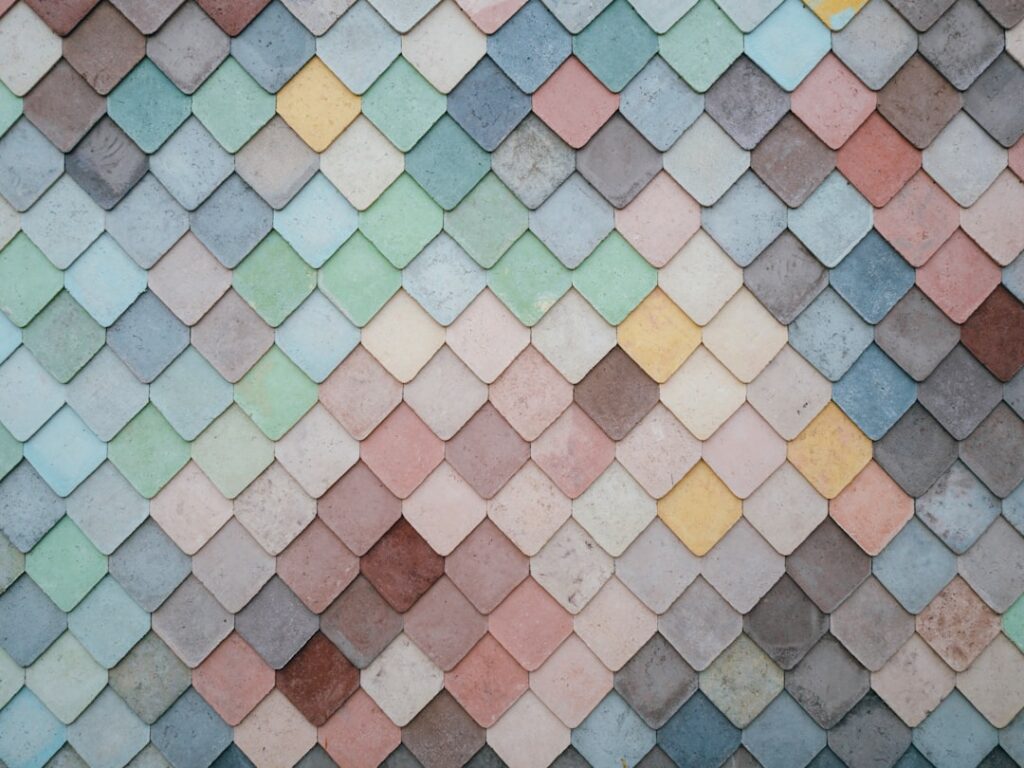
- Fish-scale and scallop: curved tiles that add softness and movement to a backsplash or shower wall.
- Picket and elongated hexagon: a fresh twist on subway tile with more visual interest.
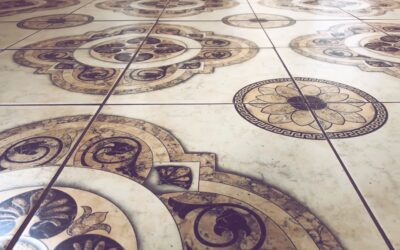
- Encaustic-look patterns: bold graphic prints, often in cement-look porcelain, used for statement floors in entries, powder rooms, and laundry spaces.
The way tile is laid matters as much as its shape. Herringbone, vertical stacks, and chevron layouts turn even simple subway tile into a designed feature. Because these patterns make a statement, many homeowners reserve them for smaller areas where a bold choice adds impact without overwhelming the home.
Grout as a Design Element
Grout used to be an afterthought, but it is increasingly treated as part of the design. Contrasting grout, dark grout against white tile, for example, emphasizes a pattern and creates a graphic, modern grid. Matching grout, by contrast, lets the tile blend into a seamless field, which suits large-format and handmade looks where you do not want lines competing with the surface.
There is a practical angle too. Darker and color-matched grout hides everyday staining far better than stark white, which is worth remembering for floors and high-use backsplashes. Modern grout formulas also resist staining and cracking better than older products, so it is worth discussing options with your installer.
Texture and Finish
Finish is where a lot of current interest lives. Matte and honed surfaces have largely overtaken high gloss for floors, offering a soft, contemporary look with better slip resistance underfoot. Textured, three-dimensional wall tiles add depth and shadow, turning a flat wall into a tactile feature. At the same time, satin and subtly glossy glazes remain popular for backsplashes, where a little sheen bounces light and wipes clean easily.
For floors, especially in wet areas, prioritize slip resistance over shine; a beautiful glossy floor that becomes dangerous when wet is a poor trade. Matte and textured finishes deliver both the current look and safer footing.
Choosing Trends That Last
The challenge with any trend is balancing freshness against longevity, since retiling is expensive and disruptive. A reliable strategy is to anchor the large, permanent surfaces, the main floor tile and primary wall fields, in timeless choices like neutral large-format or classic subway, then express trends in the elements that are cheaper and easier to change later, such as an accent strip, a powder-room floor, or a backsplash.
Among the current movements, large-format tile, realistic wood and stone looks, warm natural palettes, and matte finishes feel less like fleeting fads and more like durable directions. Pair a couple of those with quality materials and good installation, and your tile will look both current and enduring. The best trends in tile are the ones that still feel right years after the trend reports have moved on, so choose with both the moment and the long run in mind.
Prefer to explore on your own?
See how new flooring looks in your actual room in seconds — free, no signup.
Try the free Floor Studio →