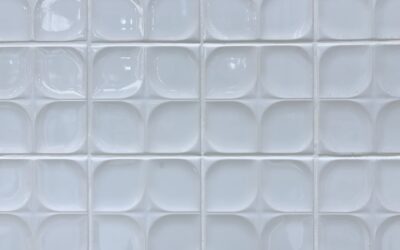
Modern tiles design has evolved far beyond the basic white subway tile. In 2026, homeowners and designers are embracing bold formats, artisanal textures, and creative layouts that turn floors and walls into focal points. Whether you are renovating a bathroom, updating a kitchen backsplash, or designing a statement entryway, the current tile market offers more inspiring options than ever before.
Part of our Tile & Grout guide — explore the full guide →
This guide covers the most impactful modern tile flooring design trends for 2026, including formats, materials, colors, patterns, and layout ideas that will make your space look current and sophisticated.
Large Format Tiles
Large format tiles continue to dominate modern design. These oversized tiles, typically starting at 24 x 24 inches and going up to 48 x 48 inches or even larger slab formats, create a seamless, expansive look with minimal grout lines.
Why Large Format Works
Fewer grout lines mean a cleaner visual that makes spaces appear larger and more cohesive. Large tiles work exceptionally well in open-concept living areas, bathrooms, and kitchens where visual continuity matters. The reduced grout also means less maintenance and a more hygienic surface.
Popular Large Format Styles
- Marble-look porcelain slabs: 48 x 96 inch porcelain slabs that replicate the look of natural marble with dramatic veining. These can cover entire walls or floors with almost no visible seams.
- Concrete-look large tiles: Matte gray or warm-toned tiles that create an industrial-modern aesthetic. Available in 36 x 36 and 24 x 48 formats.
- Stone-look rectified tiles: Precision-cut edges allow for minimal grout joints (as thin as 1/16 inch), creating a near-seamless stone appearance.
Installation Considerations
Large format tiles require perfectly flat subfloors, large-format mortar, and experienced installers. Their weight and size make handling difficult, and lippage (uneven edges between adjacent tiles) is a common problem without proper technique. Budget for professional installation with these products.
Geometric Tiles
Geometric tile patterns are one of the strongest modern tiles design trends in 2026. These tiles move beyond traditional squares and rectangles to create visual interest through shape.
Popular Geometric Shapes
- Hexagons: Available in sizes from 1-inch mosaics to 10-inch statement pieces. Hexagonal tiles create a honeycomb pattern that feels organic yet modern. Use them on bathroom floors, kitchen backsplashes, or as accent walls.
- Picket (elongated hexagon): A stretched version of the hexagon that creates a more dynamic, directional pattern. Commonly used in showers and backsplashes.
- Chevron and herringbone: Both patterns create movement and visual flow. Chevron uses angled tiles that form a V-shape, while herringbone uses rectangular tiles set at 90-degree angles. Both work for floors and walls.
- Arabesque and lantern shapes: Inspired by Moroccan design, these curvilinear shapes add an artisanal quality that pairs well with modern minimalist spaces.
- Triangles and diamonds: Less common but gaining ground, especially in entryways and powder rooms where a bold geometric statement is desired.
Design Tips for Geometric Tiles
Geometric tiles make the strongest impact when used as an accent or focal point rather than covering every surface. A geometric tile shower niche or bathroom floor surrounded by simple large-format walls creates visual balance. Avoid combining multiple geometric shapes in the same room unless you are working with a designer.
3D Textured Tiles
Three-dimensional tiles add depth, shadow, and tactile interest to walls. These tiles feature raised surfaces in various patterns, from gentle waves to sharp geometric ridges, that create visual drama through light and shadow.
Where to Use 3D Tiles
- Feature walls: Behind a freestanding bathtub, above a fireplace, or as a headboard accent in a bedroom
- Shower walls: A single wall of 3D tile in a walk-in shower creates a spa-like focal point
- Commercial spaces: Restaurants, hotel lobbies, and retail stores use 3D tiles to create visual interest without artwork
Popular 3D Tile Styles
- Wave patterns: Gentle undulations that catch light and create a fluid, calming effect
- Fluted or ribbed tiles: Vertical ridges that add a refined architectural quality, inspired by fluted columns
- Diamond or faceted tiles: Angular raised surfaces that create a jewel-like effect with dramatic shadows
- Organic textures: Irregular, nature-inspired surfaces that mimic eroded stone, bark, or fabric folds
Keep in mind that 3D tiles are best limited to walls. Their uneven surfaces make them impractical for floors, and cleaning can be more involved due to the textured surface.
Terrazzo Tiles
Terrazzo has made a remarkable comeback from its mid-century origins. Modern terrazzo tiles feature chips of marble, quartz, glass, or other aggregates set in a cement or resin base, creating a speckled, multi-toned surface.
Modern Terrazzo Trends
- Large-chip terrazzo: Bigger, more visible aggregate pieces create a bolder, more graphic look compared to traditional fine-chip terrazzo.
- Pastel and earth-tone bases: Moving beyond the classic gray or white base, modern terrazzo tiles come in blush pink, sage green, warm beige, and dusty blue backgrounds.
- Terrazzo-look porcelain: For budget-friendly options, porcelain tiles that replicate the terrazzo look are widely available at a fraction of the cost of genuine terrazzo.
Terrazzo works beautifully on both floors and walls. It is particularly popular in bathrooms, entryways, and kitchen floors where its playful pattern adds personality without being overwhelming.
Zellige Tiles
Zellige (pronounced zell-EEJ) tiles are handmade Moroccan clay tiles known for their imperfect, glazed surfaces. Each tile has slight variations in color, texture, and shape, creating a rich, artisanal look that mass-produced tiles cannot replicate.
Why Zellige Is Trending
In a world of perfect, machine-made surfaces, zellige tiles offer warmth and character. Their hand-crafted imperfections create depth and visual interest that catches light differently across every tile. The look is equally at home in a minimalist Scandinavian kitchen and a bohemian bathroom.
Popular Zellige Applications
- Kitchen backsplashes: The most common application. A zellige backsplash adds texture and warmth behind a range or sink.
- Shower walls: Full zellige shower enclosures create a luxurious, spa-like experience.
- Fireplace surrounds: The variation and depth of zellige tiles pair beautifully with natural wood mantels.
Budget-Friendly Alternatives
Authentic Moroccan zellige tiles cost $15 to $30 per square foot or more. Several manufacturers now produce zellige-inspired tiles with similar surface variations at $5 to $12 per square foot. These machine-made versions capture much of the zellige look at a fraction of the price.
Color Trends in Modern Tiles Design
Warm Neutrals
Cool gray is out. Warm neutrals are the dominant color family in 2026. Think creamy whites, soft beiges, warm taupes, and sandy tones. These colors create a welcoming, natural atmosphere that complements a wide range of interior styles.
Nature-Inspired Greens
Sage, olive, forest green, and emerald tiles are having a major moment. Green tiles appear in bathrooms, kitchen backsplashes, and accent walls. They pair naturally with wood tones, brass hardware, and white fixtures.
Deep Blues and Navies
For a bolder statement, deep blue and navy tiles add drama without feeling trendy. These colors have staying power and work well in powder rooms, laundry rooms, and kitchen backsplashes.
Earthy Terracotta
Terracotta-toned tiles, both in actual clay and porcelain replicas, bring Mediterranean warmth to modern spaces. They work particularly well on floors and as outdoor patio tiles.
Monochromatic Black
Matte black tiles are a statement choice for modern bathrooms and kitchens. Used on walls or floors, black tile creates a sophisticated, high-contrast look when paired with white fixtures, brass accents, or natural wood. Matte finishes are preferred over glossy to avoid showing water spots and fingerprints.
Layout Ideas for Modern Tile Design
Vertical Stack Bond
Instead of the traditional offset brick pattern, stacking rectangular tiles directly on top of each other creates clean vertical lines that emphasize height. This layout is striking in showers and behind bathroom vanities.
Mixed Sizes
Combining two or three tile sizes from the same collection creates visual complexity without busy patterns. For example, alternating rows of 3 x 12 and 6 x 12 tiles or mixing 12 x 24 with 24 x 24 on the same floor.
Floor-to-Ceiling Continuity
Running the same tile from the floor up the wall creates a dramatic, seamless effect in bathrooms. This is especially effective with large-format tiles in marble or stone looks. The continuous surface makes the room feel larger and more luxurious.
Accent Niches and Insets
Using a contrasting tile in shower niches, behind open shelving, or inside alcoves creates a curated, intentional look. A simple white-tiled bathroom with a zellige-tiled niche, for example, adds personality without overwhelming the space.
Transition Patterns
Where two different tiles or tile and another flooring material meet, creative transition patterns add design interest. Hexagonal tiles that scatter and dissolve into hardwood or concrete flooring create an artistic, organic transition that has become an Instagram-favorite design element.
Choosing the Right Modern Tile for Your Space
With so many options, here is a quick decision framework:
- Small bathrooms: Light-colored large-format tiles to maximize perceived space, with a geometric or zellige accent
- Large open-plan floors: Large-format concrete or stone-look tiles for seamless continuity
- Kitchen backsplashes: Zellige, subway with creative layout, or small-format geometric tiles
- Shower enclosures: 3D textured accent wall with simple large tiles elsewhere
- Entryways: Bold terrazzo or geometric patterns that make a first impression
- Statement walls: 3D textured tiles or large porcelain slabs with dramatic veining
Final Thoughts
Modern tiles design in 2026 is defined by a tension between clean minimalism and artisanal character. Large-format tiles provide the seamless backdrop that modern interiors demand, while handmade zellige, textured 3D tiles, and playful terrazzo inject warmth and personality. The key to a successful design is balancing these elements so your tile choices feel intentional, not chaotic. Pick one or two statement elements per room, keep the rest simple, and let the tiles do the talking.
Prefer to explore on your own?
See how new flooring looks in your actual room in seconds — free, no signup.
Try the free Floor Studio →