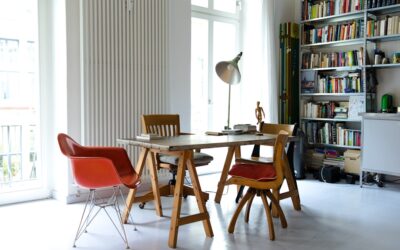
Modern living room floor tiles have evolved far beyond the cold, clinical look many homeowners associate with tile. Today’s porcelain and ceramic options convincingly replicate natural wood, marble, concrete, and terrazzo at a fraction of the cost — while offering waterproof performance, low maintenance, and exceptional durability that natural materials cannot always match.
- Large Format Tiles
- Wood-Look Porcelain Tiles
- Marble-Look Tiles
- Geometric Pattern Tiles
- Terrazzo-Look Tiles
- Matte Finish Tiles
- Warm Tone Tiles
- Tile Style Comparison
- Design Tips for Open-Plan Living
- Frequently Asked Questions
- Are tile floors too cold for a living room?
- What size tile is best for a small living room?
- How do modern living room floor tiles compare in cost to hardwood?
- Can you install tile over an existing floor?
- What is the best tile layout for a modern living room?
- Do wood-look tiles scratch like real hardwood?
Whether you are building a new home, renovating an open-plan living area, or simply refreshing a dated space, tile is one of the most versatile and long-lasting flooring choices for living rooms. This guide covers the most popular modern living room floor tile trends for 2026, along with practical design tips for selecting the right size, finish, color, and layout for your space.
Large Format Tiles
Large format tiles — generally 24×24 inches and above, with some reaching 48×48 or even 60×120 inches — are the defining trend of modern living room design. Fewer grout lines create a seamless, expansive look that makes rooms feel significantly larger than they are. This clean, uninterrupted visual plane aligns perfectly with contemporary and minimalist aesthetics.
The most popular large format sizes for living rooms in 2026 are 24×48 inches and 32×32 inches. These sizes balance visual impact with practical installation considerations — extremely large tiles require perfectly level subfloors and experienced installers to prevent lippage (uneven edges between adjacent tiles).
Rectified tiles — machine-cut to precise dimensions after firing — are essential for large format installations. They allow for narrow grout joints (as small as 1/16 inch) that minimize visual interruption and maximize the seamless appearance. Pair large format tiles with a grout color that closely matches the tile for the most modern look.
For living rooms, large format porcelain floor tiles in neutral tones — soft gray, warm beige, off-white, or concrete gray — create a sophisticated foundation that complements virtually any furniture style and color palette.
Wood-Look Porcelain Tiles
Wood-look porcelain tiles continue to dominate the living room tile market in 2026, and the realism has reached a point where even designers must look twice. Advanced inkjet printing technology reproduces the grain patterns, knots, color variations, and even the texture of real wood with remarkable accuracy.
Modern wood-look tiles come in plank formats — typically 6×36, 8×48, or 9×60 inches — that mimic actual hardwood plank proportions. The longer, wider formats look the most authentic because they reduce the number of pattern repeats visible in a room. Premium lines from brands like Marazzi, Daltile, and Porcelanosa offer 40 or more unique face designs per collection, making pattern repetition nearly undetectable.
The key advantages of wood-look tile over real hardwood in a living room include complete waterproof performance, no expansion or contraction with humidity, compatibility with radiant floor heating, and zero refinishing requirements. In warm climates, tile’s thermal mass keeps rooms cooler — a significant comfort benefit.
Popular wood-look tile tones for 2026 living rooms include warm honey oak, natural walnut, weathered driftwood gray, and pale Scandinavian whitewash. The trend has shifted away from the cool grays that dominated previous years toward warmer, more organic hues.
Marble-Look Tiles
Real marble is beautiful but comes with significant maintenance demands — it stains, etches from acidic spills, scratches, and requires periodic sealing. Marble-look porcelain tiles deliver the same dramatic veining and luminous surface at a fraction of the cost and with virtually zero maintenance.
The most popular marble-look styles for living rooms include Calacatta (white with bold gold veining), Carrara (white with softer gray veining), Statuario (bright white with dramatic gray and gold veining), and Emperador (rich brown with cream veining). Book-matched installations — where adjacent tiles mirror each other’s veining to create a symmetrical pattern — add a luxury designer touch that was once only possible with natural stone slabs.
For the most convincing marble look, choose large format polished or semi-polished tiles and install them with minimal grout joints. The polished finish reflects light and adds depth to living spaces, though it can be slippery — consider a lappato (semi-polished) finish that offers a similar aesthetic with better traction.
Geometric Pattern Tiles
Geometric tiles add visual energy and personality to modern living rooms. Rather than covering entire floors, geometric patterns are increasingly used as feature areas — a central rug-like panel, a transition zone between living and dining areas, or an accent strip along a fireplace wall.
Popular geometric patterns for 2026 include hexagons (available in sizes from 4 inches to 10 inches across), chevron and herringbone layouts using rectangular planks, arabesque and lantern shapes for Mediterranean-influenced spaces, and bold encaustic-look cement tile patterns in black and white or earth tones.
When using geometric tiles in a living room, balance visual complexity with surrounding simplicity. Pair a bold geometric floor section with solid-color walls and streamlined furniture. The floor becomes the statement piece, and the rest of the room supports it rather than competing with it.
Terrazzo-Look Tiles
Terrazzo — a composite material made of chips of marble, quartz, granite, or glass set in a cement or epoxy binder — has made a dramatic comeback in both commercial and residential design. Traditional poured terrazzo is expensive ($15 to $75 per square foot installed), but terrazzo-look porcelain tiles replicate the speckled, aggregate-studded appearance at a fraction of the cost.
Modern terrazzo-look tiles come in a wide range of chip sizes and color combinations. For living rooms, the trend leans toward subtle, small-chip designs in neutral backgrounds — warm cream with soft pink and gray chips, light gray with white and charcoal chips, or warm beige with terracotta and sage accents.
Terrazzo-look tiles work particularly well in mid-century modern, Scandinavian, and contemporary living room designs. Their inherently busy pattern hides dirt and wear effectively, making them a practical choice for high-traffic family living rooms.
Matte Finish Tiles
Matte finish tiles have surpassed gloss as the preferred surface for modern living rooms. The soft, non-reflective surface creates a relaxed, organic feel that aligns with the current design movement toward natural, understated interiors. Matte tiles also hide water spots, fingerprints, and light scratches better than polished alternatives.
Beyond aesthetics, matte tiles offer a practical advantage: superior slip resistance. Most matte porcelain tiles achieve R10 or R11 slip ratings, making them safe for households with children, elderly family members, or pets. Polished tiles, by comparison, can become dangerously slippery when wet.
The most popular matte finishes for 2026 living rooms include natural stone textures (limestone, sandstone, slate), raw concrete looks, soft fabric-inspired textures, and brushed metal effects. These tactile surfaces add depth and interest that flat, shiny tiles cannot provide.
Warm Tone Tiles
The cool gray palette that dominated tile flooring for the past decade is giving way to warmer tones in 2026. Homeowners and designers are embracing earthy, sun-kissed hues that create cozier, more inviting living spaces.
Trending warm tile colors for living rooms include warm greige (a blend of gray and beige), honey and caramel tones, terracotta and clay, soft blush and rose, and warm taupe. These colors pair beautifully with natural wood furniture, brass and gold hardware, and the organic textiles (linen, jute, wool) that define current interior design trends.
Warm-toned tiles work especially well in living rooms that receive limited natural light. Where cool grays can make a north-facing room feel cold and uninviting, warm beige or honey tones add visual warmth that compensates for the lack of direct sunlight.
Tile Style Comparison
| Tile Style | Best Room Size | Design Style | Maintenance | Cost (per sq ft) | Slip Resistance |
|---|---|---|---|---|---|
| Large format solid | Medium to large | Minimalist, contemporary | Very low | $3 – $10 | Varies by finish |
| Wood-look plank | Any | Transitional, farmhouse | Very low | $3 – $12 | Good (matte) |
| Marble-look | Medium to large | Luxury, traditional | Very low | $4 – $15 | Low (polished) |
| Geometric | Any (as accent) | Eclectic, modern | Low | $5 – $20 | Good |
| Terrazzo-look | Any | Mid-century, Scandi | Very low | $4 – $12 | Good |
| Matte concrete | Medium to large | Industrial, modern | Very low | $3 – $8 | Excellent |
Design Tips for Open-Plan Living
Open-plan living areas — where the living room flows into the kitchen, dining area, and hallway — present unique tile selection challenges. The floor must visually unify the entire space while performing well in zones with very different demands (wet kitchen vs. dry living room).
Use one tile throughout. The most effective approach for open-plan spaces is a single tile selection that runs continuously from the living room through the kitchen and dining areas. This creates visual flow that makes the entire space feel larger and more cohesive. Large format tiles in neutral tones work best for this approach.
Define zones with layout changes. If you want to differentiate areas without changing tile, alter the layout pattern. Run tiles in a standard grid in the living room, switch to a diagonal layout in the dining area, and use a herringbone pattern in the kitchen. Same tile, different visual character.
Consider transitions carefully. If you do use different flooring materials — say, tile in the kitchen and hardwood in the living room — plan the transition thoughtfully. A flush transition strip in a complementary metal finish (brushed brass, matte black, stainless steel) creates a clean break. Alternatively, choose tile and hardwood in matching tones so the material change feels intentional rather than jarring.
Scale tile size to room size. In expansive open-plan areas (over 500 square feet), oversized tiles (32×32 or larger) look proportional and dramatic. In more compact open-plan spaces, 24×24-inch tiles strike a better balance — large enough to minimize grout lines but not so large that they overwhelm the room.
Select the right grout color. In open-plan spaces where the tile runs through multiple zones, grout color has an outsized impact on the overall look. A matching or near-matching grout color creates seamless visual flow, while contrasting grout emphasizes the tile grid pattern and can make a large space feel busier.
For a comprehensive look at all tile flooring options including porcelain, ceramic, and natural stone, explore our dedicated guide.
Frequently Asked Questions
Are tile floors too cold for a living room?
Tile does feel cooler underfoot than carpet or hardwood, which is a benefit in warm climates but a drawback in colder regions. The solution is radiant floor heating — tile is the ideal surface for in-floor heating systems because it conducts and retains heat efficiently. A radiant system adds $6 to $16 per square foot to installation costs but transforms tile from cold to luxuriously warm.
What size tile is best for a small living room?
Large format tiles (24×24 inches or larger) actually make small rooms look bigger because there are fewer grout lines to break up the visual plane. The common assumption that small rooms need small tiles is a myth. Lay large tiles with matching grout and minimal joints for the most spacious effect.
How do modern living room floor tiles compare in cost to hardwood?
Porcelain tile typically costs $3 to $12 per square foot for materials, plus $5 to $15 per square foot for professional installation. Solid hardwood costs $5 to $15 per square foot for materials and $4 to $10 for installation. Tile’s upfront cost is comparable, but its 50-plus-year lifespan and near-zero maintenance cost make it cheaper over time.
Can you install tile over an existing floor?
Tile can be installed over existing tile, concrete, cement board, and some vinyl surfaces — provided the existing floor is structurally sound, level, and well-adhered. Installing tile over existing tile adds height (check door clearance) and requires a bonding agent for adhesion. Tile should never be installed directly over hardwood due to flex.
What is the best tile layout for a modern living room?
A staggered brick-lay pattern (offset by 1/3 or random) is the most popular for rectangular plank tiles including wood-look tile. For square tiles, a straight grid with tight grout joints creates the cleanest modern look. Herringbone and chevron layouts add visual interest without appearing dated.
Do wood-look tiles scratch like real hardwood?
No. Porcelain wood-look tiles are rated 5 on the Mohs hardness scale and resist scratches from pet claws, furniture legs, and dropped objects that would damage real hardwood. This is one of the primary reasons homeowners choose wood-look tile for high-traffic living rooms.
Prefer to explore on your own?
See how new flooring looks in your actual room in seconds — free, no signup.
Try the free Floor Studio →