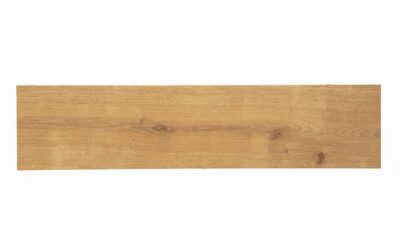
Wood look tile has become one of the most popular flooring trends of the past decade, and for good reason. These porcelain and ceramic tiles replicate the grain, color, and texture of real hardwood while delivering the waterproof durability and low maintenance of tile. It is the best of both worlds for rooms where real wood is impractical.
Part of our Tile & Grout guide — explore the full guide →
This guide covers everything you need to know about wood-look tile — from how it is made and what to look for when shopping, to installation tips, costs, and the best rooms to use it in.
What Is Wood Look Tile?
Wood look tile is a porcelain or ceramic tile that has been manufactured to resemble real wood flooring. The tile body is the same dense, fired clay as any other tile, but the surface features a high-resolution photographic image of wood grain covered by a textured glaze that mimics the feel of real wood.
The best wood-look tiles use advanced manufacturing techniques:
- High-definition inkjet printing — multiple print heads apply layers of color and detail for photorealistic wood grain
- Embossed-in-register (EIR) texturing — the surface texture aligns with the printed grain, so you can feel the knots and grain with your fingers
- Multiple face designs — 40 or more unique plank faces per production run, reducing visible pattern repetition
- Matte and semi-gloss finishes — replicating the sheen of oiled, hand-scraped, or satin-finished real wood
The result is a tile that looks remarkably like real wood from across the room and maintains the illusion even at close range. Explore our full tile flooring collection to see the latest wood-look options.
Porcelain vs Ceramic Wood Look Tile
Both porcelain and ceramic versions are available, but porcelain is the better choice for most applications.
| Feature | Porcelain | Ceramic |
|---|---|---|
| Water absorption | <0.5% (virtually waterproof) | 3-7% |
| Hardness | PEI 4-5 (heavy traffic rated) | PEI 2-4 |
| Frost resistance | Excellent — suitable for outdoors | Limited — indoor use recommended |
| Durability | Superior — resists chips and scratches | Good — softer body chips more easily |
| Cost | $3 – $12 per sq ft | $1 – $6 per sq ft |
| Best for | Bathrooms, kitchens, high traffic | Light traffic, walls, backsplashes |
For floor applications, porcelain tile is the recommended choice due to its superior density, water resistance, and durability.
Why Choose Wood Look Tile?
Waterproof + Wood Aesthetic
The primary appeal is getting the warm, natural appearance of wood in rooms where real wood would be damaged by moisture. Bathrooms, kitchens, laundry rooms, entryways, and basements all benefit from the waterproof nature of tile combined with the visual warmth of wood.
Extreme Durability
Porcelain wood-look tile does not scratch, dent, or fade. It handles heavy traffic, pet nails, and dropped objects without showing wear. In a busy household, this durability is a major advantage over real hardwood.
Low Maintenance
Sweep and mop — that is the entirety of wood-look tile maintenance. No refinishing, no special cleaners, no humidity control. The only maintenance task is periodic grout sealing.
Design Consistency
You can run the same wood-look tile throughout your entire home — including bathrooms and kitchens — for a seamless, cohesive look. With real wood, you would need to switch to tile or vinyl in wet areas, creating visual breaks.
Climate Independent
Unlike real wood, which expands and contracts with humidity changes, wood-look tile is dimensionally stable in any climate. It performs equally well in humid tropical environments and dry desert conditions.
Plank Sizes
Wood-look tile comes in elongated plank formats that mimic the proportions of real wood planks.
| Size | Look | Notes |
|---|---|---|
| 6″ x 24″ | Standard plank | Most common and affordable; easy to install |
| 6″ x 36″ | Long plank | More realistic proportions; requires flatter subfloor |
| 8″ x 48″ | Wide, long plank | Most realistic; mimics wide-plank hardwood |
| 9″ x 48″ or 10″ x 60″ | Extra-wide plank | Premium look; challenging installation |
| 4″ x 24″ or 4″ x 28″ | Narrow plank | Mimics traditional strip hardwood |
Longer, wider planks look more like real hardwood but are harder to install because any subfloor unevenness causes lippage (edges sticking up). Planks over 24 inches require a subfloor that is flat to within 1/16″ over 12 inches.
Realistic Features to Look For
Not all wood-look tiles are created equal. When shopping, evaluate these features to find the most convincing products:
- Face variation — look for products with 20+ unique faces per box to minimize visible pattern repetition
- EIR texturing — the surface texture should match the printed grain for a realistic tactile experience
- Color variation within planks — real wood has subtle color shifts within each board; the best tiles replicate this
- Knots and character marks — convincing knots with appropriate texture elevate realism
- Matte or satin finish — avoid high-gloss finishes, which immediately look like tile rather than wood
- Rectified edges — precisely cut edges allow for thinner grout lines, which look more like wood plank joints
Cost: Wood Look Tile vs Real Wood
| Flooring Type | Material (per sq ft) | Installation (per sq ft) | Total Installed |
|---|---|---|---|
| Ceramic wood-look tile | $1 – $6 | $5 – $12 | $6 – $18 |
| Porcelain wood-look tile | $3 – $12 | $5 – $15 | $8 – $27 |
| Solid hardwood | $5 – $15 | $3 – $8 | $8 – $23 |
| Engineered hardwood | $4 – $12 | $3 – $7 | $7 – $19 |
Material costs for wood-look tile can be similar to or less than real wood, but installation costs are higher because tile installation is more labor-intensive. Over a lifetime, however, tile’s zero-refinishing maintenance and longer lifespan can make it more cost-effective.
Installation Tips for Wood Look Tile
Use an Offset (Staggered) Pattern
Install wood-look tile planks in a staggered pattern just like real hardwood — never in a grid. A 1/3 offset (each row starts 1/3 of a plank length from the previous row) looks the most natural. A random offset also works well. Avoid a 50% offset (brick pattern) with long planks, as it creates an unnatural pattern that does not mimic wood.
Choose the Right Grout Color
Grout color can make or break the wood illusion. Choose a grout color that closely matches the tile color. Light oak tile needs a light tan grout; dark walnut tile needs a dark brown grout. Contrasting grout instantly reveals that the floor is tile, not wood.
Use the thinnest grout lines possible. Rectified (precision-cut) tiles can be installed with 1/16″ grout joints, which closely mimic the tight joints of real hardwood. Non-rectified tiles need wider joints (1/8″ or more), which are more obviously tile-like.
Ensure a Flat Subfloor
Long plank tiles amplify any subfloor unevenness. A tile installed over a bump or dip will rock and create lippage at the edges. Use self-leveling compound to achieve a flat surface (within 1/8″ over 10 feet, or 1/16″ over 12 inches for planks over 15″).
Back-Butter Large Planks
Apply thinset to both the subfloor and the back of each plank (back-buttering) to ensure full coverage. Large-format tiles with less than 95% thinset coverage are prone to cracking and hollow spots.
Use a Tile Leveling System
Clip-and-wedge leveling systems are almost essential for wood-look plank tile. They ensure adjacent tiles are flush, eliminating the lippage that is especially noticeable with long, narrow planks.
Best Rooms for Wood Look Tile
Bathrooms
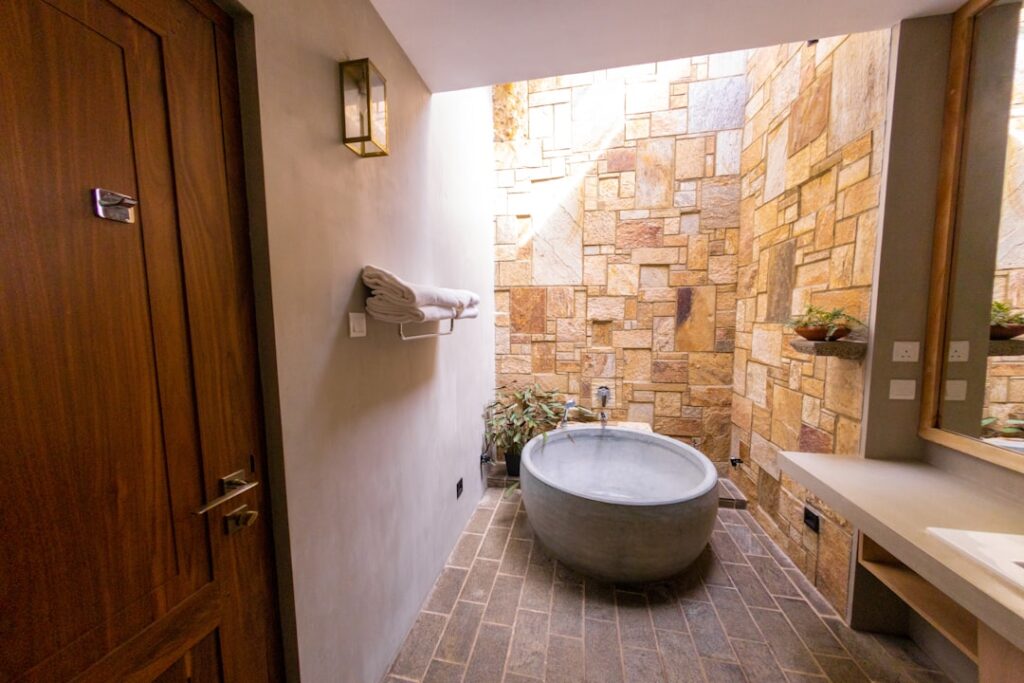
This is the most popular application for wood-look tile. You get the warm, spa-like ambiance of wood with complete waterproof protection. No more worrying about water damage from showers, tubs, and sinks. See our bathroom flooring guide for more options.
Kitchens
Kitchens expose floors to water splashes, spills, and heavy traffic. Wood-look tile handles all of this while maintaining the warm aesthetic that makes kitchens inviting. It is also easy to clean after cooking messes.
Entryways and Mudrooms
High-traffic entry points take a beating from shoes, dirt, rain, and snow. Porcelain wood-look tile is virtually indestructible in these applications and cleans up easily.
Basements
Below-grade spaces with moisture concerns benefit from tile’s imperviousness. Wood-look tile brings warmth and style to a basement without any of the moisture risks of real wood.
Whole-House Continuity
Some homeowners choose wood-look tile for their entire home, including living areas and bedrooms. This creates a seamless, cohesive look from room to room without transitions. The trade-off is the hard, cold feel underfoot in bedrooms and living areas, which can be mitigated with radiant heat and area rugs.
Pros and Cons of Wood Look Tile
Pros
- Waterproof — use in any room, including bathrooms and kitchens
- Extremely durable — does not scratch, dent, or fade
- Low maintenance — no refinishing, no special cleaners
- Lifespan of 50+ years
- Works with radiant floor heating
- Climate stable — no expansion or contraction
- Huge range of wood species replicated
Cons
- Hard and cold underfoot compared to real wood
- Grout lines — even thin ones — reveal it is tile up close
- Higher installation cost than hardwood (labor-intensive)
- Cannot be refinished — damaged tiles must be replaced individually
- Slippery when wet (choose textured/matte finishes for wet areas)
- Uncomfortable to stand on for long periods without anti-fatigue mats
- Does not increase home value as much as real hardwood flooring
Frequently Asked Questions
Does wood look tile really look like wood?
Premium wood-look porcelain tile is remarkably convincing, especially from a normal viewing distance. High-definition printing and EIR texturing create realistic grain, knots, and color variation. The main giveaways are the grout lines and the cold, hard feel underfoot. Most guests will not notice unless they are specifically looking for it.
Is wood look tile slippery?
It depends on the finish. Matte and textured finishes provide good traction and are suitable for bathrooms and kitchens. Polished or high-gloss finishes can be slippery when wet. Always check the COF (coefficient of friction) rating — look for 0.42 or higher for dry areas, 0.60 or higher for wet areas.
How long does wood look tile last?
Porcelain wood-look tile lasts 50-75+ years with minimal maintenance. The tile itself is virtually indestructible under normal use. Grout may need resealing periodically, and individual tiles can be replaced if cracked.
Can wood look tile be used outdoors?
Porcelain wood-look tile rated for outdoor use (frost-proof, PEI 5, textured finish) can be used on patios, pool decks, and covered porches. Ceramic tile should not be used outdoors in freeze-thaw climates. Always verify the tile is rated for exterior use.
What grout color should I use with wood look tile?
Always match the grout color as closely as possible to the tile color. This minimizes the visibility of grout lines and maintains the wood-plank illusion. Avoid white or contrasting grout, which immediately signals that the floor is tile.
Is wood look tile more expensive than hardwood?
Material costs are similar, but tile installation labor is more expensive. For a 500 sq ft room, expect to pay $8-27/sq ft installed for porcelain wood-look tile vs $8-23/sq ft installed for hardwood. The long-term cost favors tile due to its longer lifespan and zero refinishing costs.
Prefer to explore on your own?
See how new flooring looks in your actual room in seconds — free, no signup.
Try the free Floor Studio →