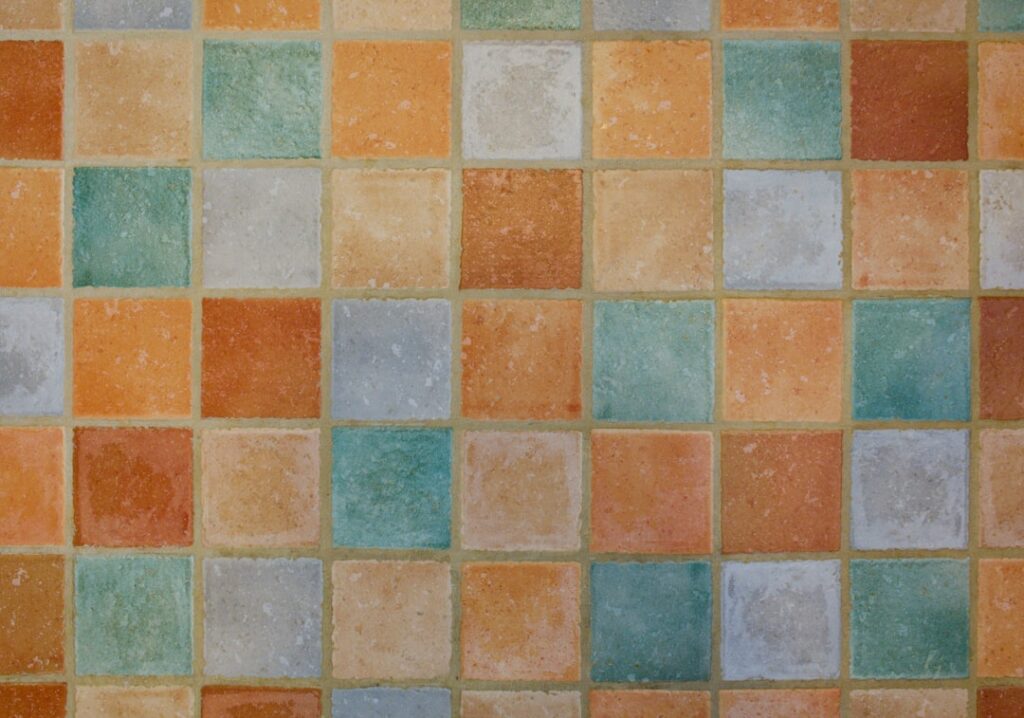
Ceramic tile flooring has been a go-to choice for kitchens, bathrooms, and entryways for centuries — and for good reason. It is water-resistant, durable, affordable (starting at just $1 per square foot), and available in a staggering range of colors, patterns, and sizes. From basic builder-grade tiles to hand-painted artisan designs, ceramic covers every budget and style.
- What Is Ceramic Tile?
- Ceramic vs Porcelain Tile
- PEI Ratings Explained
- Tile Sizes
- Glazed vs Unglazed Ceramic Tile
- Cost Breakdown
- Pros and Cons of Ceramic Tile Flooring
- Installation
- Best Rooms for Ceramic Tile
- Maintenance and Care
- Design Options
- Top Ceramic Tile Brands (2026)
- Frequently Asked Questions
This guide explains what ceramic tile flooring is, how it differs from porcelain, how to read PEI ratings, what glazed versus unglazed means for your floor, installation costs, maintenance requirements, and which brands deliver the best value in 2026.
What Is Ceramic Tile?
Ceramic tile is made from natural clay mixed with minerals and water, shaped into tiles, and kiln-fired at temperatures between 1,000 and 1,250 degrees Fahrenheit. The firing process hardens the clay into a rigid, durable tile suitable for floors, walls, countertops, and backsplashes.
Ceramic tile has been used in construction for thousands of years, with examples dating back to ancient Egypt and Mesopotamia. Modern manufacturing has made ceramic tiles more consistent, durable, and affordable than ever, while preserving the natural, earthy quality that makes ceramic appealing.
The key characteristic that defines ceramic tile is its water absorption rate — greater than 0.5%. This means ceramic absorbs more water than porcelain (which absorbs less than 0.5%), making ceramic slightly more susceptible to moisture damage in outdoor or freeze-thaw environments. For indoor use, however, glazed ceramic provides excellent water resistance at the surface.
Ceramic vs Porcelain Tile
Ceramic and porcelain tiles are both made from clay and kiln-fired, but porcelain uses finer, denser clays and fires at higher temperatures (2,200+ degrees Fahrenheit). This makes porcelain harder, denser, and less porous than ceramic. For a detailed breakdown, see our porcelain vs ceramic tile comparison.
| Feature | Ceramic Tile | Porcelain Tile |
|---|---|---|
| Water absorption | > 0.5% | < 0.5% |
| Firing temperature | 1,000 – 1,250°F | 2,200°F+ |
| Hardness (Mohs) | 3 – 4 | 5 – 7 |
| Density | Moderate | High |
| Frost resistance | Limited | Yes |
| Material cost | $1 – $10 per sq ft | $3 – $15 per sq ft |
| Cutting difficulty | Easier | Harder (requires wet saw) |
| Indoor floor use | Excellent | Excellent |
| Outdoor use | Not recommended | Recommended |
| Best for | Walls, light to moderate traffic floors | Any floor, outdoors, commercial |
When to choose ceramic over porcelain: Ceramic is the better choice when budget is a priority, the tile is used indoors only, the area does not experience heavy commercial traffic, and you want easier DIY cutting (ceramic can be scored and snapped, while porcelain typically requires a wet saw).
PEI Ratings Explained
The Porcelain Enamel Institute (PEI) rating measures a tile’s resistance to surface abrasion — essentially how well the glaze holds up to foot traffic. Despite the name, PEI ratings apply to all glazed tiles, not just porcelain. When choosing ceramic tile flooring, PEI rating is critical.
| PEI Rating | Traffic Level | Recommended Use |
|---|---|---|
| PEI 0 | No foot traffic | Wall tile only |
| PEI 1 | Very light traffic (barefoot) | Bathroom walls |
| PEI 2 | Light traffic (slippers, soft shoes) | Bathroom floors, bedrooms |
| PEI 3 | Moderate traffic | Residential floors (kitchens, living rooms) |
| PEI 4 | Moderate to heavy traffic | All residential, light commercial |
| PEI 5 | Heavy traffic | Commercial, industrial |
For residential floor use, choose PEI 3 or higher. PEI 2 tiles work only in very low-traffic areas like guest bathrooms. Kitchens and entryways should be PEI 4 or higher to withstand shoes, grit, and daily wear.
Tile Sizes
Ceramic tile flooring is available in sizes ranging from 1-inch mosaics to 24″ x 24″ large-format tiles. The most popular floor sizes are 12″ x 12″ and 12″ x 24″.
12″ x 12″ is the classic ceramic floor tile size — easy to handle, widely available, and affordable. It works in any room but creates more grout lines than larger formats.
12″ x 24″ is the fastest-growing size in residential ceramic flooring. The rectangular format creates a modern look with fewer grout lines. It is available in wood-look, stone-look, and concrete-look designs.
Mosaic tiles (1″ to 4″) are used primarily for shower floors, accent borders, and decorative insets. They provide excellent slip resistance due to the high number of grout lines.
Large format (18″ x 18″ and larger) tiles create a seamless, contemporary look. They require a very flat subfloor and are more challenging to install, but the visual payoff in open spaces is significant.
Glazed vs Unglazed Ceramic Tile
Glazed ceramic tile has a liquid glass coating applied before the final firing. This glaze creates a hard, non-porous surface layer that provides color, pattern, stain resistance, and water resistance. The vast majority of ceramic floor tiles sold for residential use are glazed. Glazed tiles are easy to clean, available in unlimited colors and designs, and resist stains effectively. However, the glaze can chip or crack under heavy impact, revealing the lighter clay body underneath.
Unglazed ceramic tile has no surface coating — the color comes from the clay body itself and runs through the entire thickness. Quarry tile is the most common unglazed ceramic floor tile. Unglazed tiles offer better slip resistance (no smooth glaze surface) and do not show chips as dramatically because the color is consistent throughout. However, unglazed tiles are more porous, stain more easily, and must be sealed. They have a more natural, earthy appearance suited to rustic and Mediterranean designs.
Cost Breakdown
Ceramic tile flooring costs $1 to $10 per square foot for materials and $4 to $8 per square foot for professional installation.
| Cost Component | Price Range |
|---|---|
| Budget ceramic tile (material) | $1 – $3 per sq ft |
| Mid-range ceramic tile (material) | $3 – $6 per sq ft |
| Premium ceramic tile (material) | $6 – $10 per sq ft |
| Professional installation | $4 – $8 per sq ft |
| Thinset mortar and grout | $0.50 – $1.00 per sq ft |
| Backer board (if needed) | $0.50 – $1.50 per sq ft |
| Total installed (budget) | $6 – $13 per sq ft |
| Total installed (mid-range) | $8 – $15 per sq ft |
| Total installed (premium) | $11 – $20 per sq ft |
For a 150-square-foot kitchen floor, budget $900 to $2,250 total for mid-range ceramic tile installed. This includes materials, labor, thinset, grout, and backer board. Demolition of existing flooring adds $1 to $3 per square foot.
For more on tile costs, visit our tile flooring guide.
Pros and Cons of Ceramic Tile Flooring
| Pros | Cons |
|---|---|
| Very affordable ($1+ per sq ft) | Cold and hard underfoot |
| Water-resistant (glazed surface) | Can crack under heavy impact |
| Huge variety of colors, patterns, sizes | Grout requires regular maintenance |
| Easy to clean | Slippery when wet (polished glazes) |
| Does not emit VOCs | Professional installation recommended |
| Fire resistant | Not suitable for outdoor use in cold climates |
| Hypoallergenic (no fibers to trap allergens) | Items dropped on tile are more likely to break |
| Lasts 50+ years when properly installed | Harder to remove and replace than floating floors |
Installation
Installing ceramic tile flooring involves several steps. While DIY is possible for experienced homeowners, professional tile installation is recommended for large areas, complex patterns, and rooms that require waterproofing.
Subfloor preparation: The subfloor must be flat (within 1/8″ per 10 feet), clean, and structurally sound. Over plywood subfloors, install cement backer board (CBU) to provide a stable, moisture-resistant substrate. Over concrete, ensure the slab is cured, dry, and free of curing compounds.
Layout planning: Dry-lay tiles before applying thinset to plan the pattern, minimize cuts, and ensure the layout looks balanced. Center the layout so cut tiles at opposite walls are equal width, and never install a sliver of tile (less than half width) against a wall.
Setting the tile: Apply modified thinset mortar with the appropriate notched trowel (1/4″ x 1/4″ for most floor tiles). Back-butter large format tiles (12″ x 24″ and larger) for full mortar coverage. Use tile spacers to maintain consistent grout joints.
Grouting: After thinset cures (24 to 48 hours), apply grout with a rubber float, pressing it into joints at a diagonal angle. Wipe excess with a damp sponge. Allow grout to cure for 24 to 72 hours before walking on the floor.
Sealing: Seal cement-based grout with a penetrating grout sealer after curing. Repeat every 12 months. Epoxy grout does not require sealing.
Best Rooms for Ceramic Tile
Bathroom: Ceramic tile is the most popular bathroom flooring material. Glazed ceramic resists water, humidity, and bathroom cleaning chemicals. Use PEI 3+ rated tiles on floors and choose matte or textured finishes for slip resistance. Install a waterproof membrane under tile in shower areas.
Kitchen: Ceramic tile handles spills, heat, and heavy foot traffic in kitchens. Choose PEI 4+ rated tiles for kitchen floors. Avoid very smooth, polished glazes that become slippery when wet from cooking splashes.
Entryway: Ceramic handles tracked-in dirt, water, and mud. Choose textured or matte finishes for safety and darker colors or patterns to camouflage dirt between cleanings.
Laundry room: Ceramic’s water resistance makes it practical for laundry rooms. Use ceramic with a textured surface to prevent slipping on wet floors.
Not recommended for: Outdoor use in cold climates (freeze-thaw cycles crack ceramic), bedrooms (too cold and hard), and living rooms (unless radiant heating is installed and the homeowner prefers tile aesthetics).
Maintenance and Care
Daily care: Sweep or vacuum to remove grit that can scratch the glaze over time. Dust mops and robot vacuums are ideal for daily ceramic tile maintenance.
Weekly cleaning: Mop with warm water and a pH-neutral tile cleaner. Avoid acidic cleaners (vinegar, lemon juice) on unglazed tiles and oil-based cleaners that leave residue on glazed surfaces. Rinse thoroughly to prevent film buildup.
Grout care: Clean grout lines monthly with an oxygen bleach solution and a grout brush. Seal cement grout annually. Replace crumbling or cracked grout promptly to prevent water infiltration under tiles.
Dealing with chips: Small chips in glazed ceramic can be filled with color-matched epoxy or tile touch-up paint. For larger damage, individual tiles can be removed and replaced — a major advantage of tile over solid surface flooring.
Design Options
Wood-look ceramic tile replicates the grain and color of hardwood in a water-resistant, durable format. Plank-shaped tiles (6″ x 24″ or 6″ x 36″) are laid in staggered patterns to mimic wood flooring. Quality wood-look ceramics are remarkably realistic.
Stone-look ceramic tile mimics marble, travertine, slate, and concrete at a fraction of the cost. Digital printing technology allows ceramic tiles to replicate natural stone veining with impressive accuracy.
Patterned and encaustic-look ceramic tiles bring color and personality to floors. Geometric, floral, and Moroccan-inspired patterns are popular for entryways, powder rooms, and kitchen accents.
Subway tile on floors: While subway tile is traditionally a wall product, larger format versions (4″ x 8″ or 4″ x 12″) can be used on floors in light-traffic areas when rated PEI 3 or higher.
Top Ceramic Tile Brands (2026)
| Brand | Strengths | Price Range (per sq ft) | Where to Buy |
|---|---|---|---|
| Daltile | Widest selection, consistent quality, American-made options | $2 – $10 | Home Depot, flooring showrooms |
| MSI (MS International) | Excellent stone-look and wood-look ceramics, competitive pricing | $1 – $8 | Home Depot, Lowe’s, distributors |
| American Olean | Strong mid-range value, good selection of mosaics | $2 – $7 | Lowe’s, flooring showrooms |
| Marazzi | Italian heritage, premium wood-look and stone-look designs | $3 – $12 | Home Depot, specialty stores |
| Florida Tile | American-made, high-performance glazes, commercial options | $3 – $10 | Flooring distributors |
Frequently Asked Questions
Is ceramic tile good for floors?
Yes. Ceramic tile is one of the most durable and practical floor materials available. When rated PEI 3 or higher, ceramic tile handles residential foot traffic for 50+ years. It is water-resistant, easy to clean, hypoallergenic, and available at every price point from $1 to $10+ per square foot.
How long does ceramic tile flooring last?
Properly installed ceramic tile flooring lasts 50 to 100 years. The tiles themselves rarely fail — it is usually the grout, subfloor, or thinset that deteriorates first. Regular grout maintenance and prompt repair of cracked tiles can extend the installation’s life indefinitely.
Is ceramic tile waterproof?
Glazed ceramic tile is water-resistant at the surface — water will not penetrate the glazed finish. However, the tile body itself is porous (water absorption > 0.5%), and water can enter through grout lines, cracks, or unglazed edges. Proper grout sealing and a waterproof membrane in wet areas (showers) are necessary for full water protection.
Can I install ceramic tile myself?
Yes, if you have basic DIY skills, patience, and a tile wet saw. Small, straightforward projects (bathroom floor, backsplash) are manageable for DIYers. Large areas, complex patterns, waterproofing, and heated floors are best left to professional installers.
What is the difference between ceramic and porcelain tile?
Porcelain is a type of ceramic that is made from finer clays and fired at higher temperatures. The result is a denser, harder, less porous tile. Porcelain absorbs less than 0.5% water (vs. > 0.5% for ceramic), is frost-resistant, and is suitable for outdoor use. Ceramic is softer, more affordable, and easier to cut. Read our full porcelain vs ceramic comparison.
Does ceramic tile crack easily?
Ceramic tile does not crack easily under normal use. Cracks typically result from impact (dropping heavy objects), subfloor movement, or improper installation (hollow spots under tiles where no thinset was applied). Quality installation with full thinset coverage prevents the vast majority of cracks.
Is ceramic tile cold?
Yes. Ceramic tile conducts temperature, making it feel cold underfoot in winter — especially on concrete subfloors. Solutions include radiant floor heating (electric mats under tile), area rugs, and slippers. In warm climates, this cooling effect is actually a benefit.
Prefer to explore on your own?
See how new flooring looks in your actual room in seconds — free, no signup.
Try the free Floor Studio →