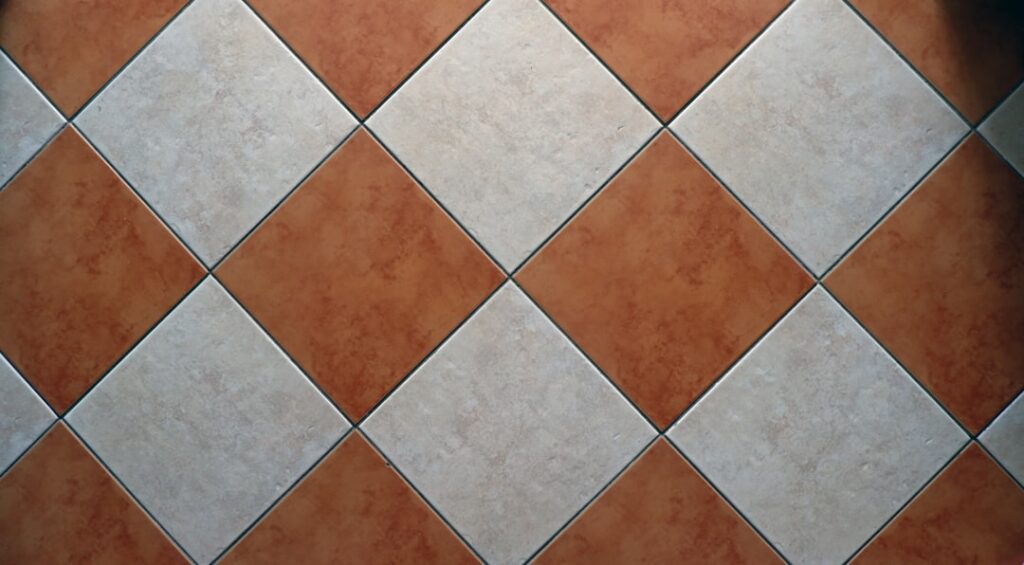
Grout color is one of those small decisions that quietly transforms how a tiled surface looks and how much cleaning it demands. Dark brown grout brings warmth, richness, and serious practicality to floors and walls, hiding the dirt and staining that make light grout such a headache. Choosing the right shade and pairing it well takes a bit of thought, but the payoff is a tiled surface that looks intentional and stays looking good. Here is how to use dark brown grout to its full advantage.
- Why Choose Dark Brown Grout
- Grout Color as a Design Tool
- Best Tile Pairings for Dark Brown Grout
- Choosing the Right Shade of Brown
- Sealing and Application Tips
- Keeping Dark Grout Looking Its Best
- Common Mistakes to Avoid
- Dark Brown Grout in Different Rooms
- Sanded vs. Unsanded Grout in Dark Brown
- Is Dark Brown Grout Right for Your Project?
Why Choose Dark Brown Grout
The most compelling reason to go dark is maintenance. Light grout, especially white and cream, shows every speck of dirt, every coffee splash, and every muddy footprint, and it discolors over time no matter how diligently you clean. Dark brown grout hides all of that. Everyday grime, foot traffic, and minor staining simply disappear into the color, which is a huge advantage in kitchens, entryways, mudrooms, and busy bathrooms.
Beyond the practical side, brown is a warm, earthy tone that adds coziness and depth. It complements natural materials, wood-look tile, and rustic or traditional interiors beautifully, giving a room a grounded, inviting feel that stark white grout cannot match.
Grout Color as a Design Tool
Grout does more than fill the gaps between tiles; it defines them. A grout color close to your tile creates a seamless, blended look that lets the tile pattern read as a continuous surface. A contrasting grout, on the other hand, frames each tile and emphasizes the layout, turning the grid itself into a design feature.
Dark brown grout works both ways depending on your tile. Against brown, tan, or wood-look tile, it blends for a warm, unified surface. Against lighter or cream tile, it creates a defined contrast that highlights the tile shapes and pattern. Decide which effect you want before choosing, because the same grout can look dramatically different depending on the tile it borders.
Best Tile Pairings for Dark Brown Grout
Dark brown is versatile, but some pairings really shine.
- Wood-look porcelain plank: Brown grout disappears into the tile for a convincing, continuous wood-floor appearance.
- Beige, tan, and travertine-look tile: A tonal match that reads warm and natural.
- Terracotta and earthy stone: Enhances the rustic, Mediterranean character.
- Cream or white tile: High contrast that frames each tile for a bold, graphic look.
- Slate and dark natural stone: Blends for a rich, moody surface.
For wood-look tile especially, dark brown grout is often the best choice because it mimics the subtle gaps between real wood planks and hides the seams that would otherwise give away the tile.
Choosing the Right Shade of Brown
Brown grout ranges from light mocha and warm tan to deep chocolate and near-espresso. Lighter browns feel soft and natural, while darker browns make a stronger statement and hide dirt even better. Consider the tile and the overall palette, and always test the color before committing to the whole job.
The best way to preview grout color is to buy a small amount, mix and cure a sample between a few spare tiles, and let it dry fully, since grout dries lighter than it looks when wet. View the cured sample in the actual room’s lighting. This simple step prevents the common disappointment of grout that looks different once installed.
Sealing and Application Tips
With dark grout, application technique matters more than with light colors. Dark pigments can leave a haze or residue on the tile surface if not cleaned promptly, and they can be harder to remove once dried. Wipe the tile faces thoroughly during installation and address any grout haze before it cures.
Cement-based grout is porous and should be sealed after it fully cures, typically after 48 to 72 hours, to protect against moisture and staining and to help the color stay even. Alternatively, epoxy grout comes pre-colored, is naturally stain resistant, and does not require sealing, which makes it an excellent low-maintenance option for dark colors in wet or high-traffic areas. If color consistency is a priority, epoxy grout also avoids the patchy shading that cement grout can develop.
Keeping Dark Grout Looking Its Best
One of the joys of dark brown grout is how forgiving it is, but a little care keeps it rich and even. Clean tiled floors with a pH-neutral cleaner and avoid harsh acidic or bleach-based products, which can lighten or discolor cement grout over time. For routine cleaning, warm water and a mild cleaner handle most dirt.
If sealed cement grout starts to look faded or uneven after years of use, a grout colorant or a fresh coat of sealer can restore a uniform, deep tone. Because dark grout hides so much, you will find yourself scrubbing far less often than you would with white, which is exactly the point.
Common Mistakes to Avoid
A few missteps can undermine an otherwise great result. Skipping the cured sample test leads to color surprises. Leaving grout haze on the tile creates a dull film that is tough to remove later. Forgetting to seal porous cement grout leaves it vulnerable to uneven staining. And pairing a very dark grout with a very busy tile can create visual chaos, so balance a bold grout with a calmer tile.
Avoiding these pitfalls comes down to testing first, cleaning thoroughly during installation, and sealing or choosing epoxy for lasting color.
Dark Brown Grout in Different Rooms
Where you use dark brown grout shapes both its look and its practical payoff. In kitchens, it is a workhorse on floors and backsplashes, hiding grease splatter and foot traffic that would streak lighter grout. On a backsplash, brown grout with earthy or cream tile creates a warm, cohesive backdrop that does not compete with the countertops.
In bathrooms, dark brown grout resists the discoloration that plagues white grout in wet, soap-scummy showers, though sealing or epoxy is especially important there to fend off mold in the joints. For entryways and mudrooms, it is nearly ideal, disguising the dirt and moisture tracked in from outside. On fireplace surrounds and accent walls, deep brown grout adds a rich, grounded feel. Match the grout’s role to the room’s demands, leaning on its dirt-hiding strength most heavily in the messiest, highest-traffic spaces.
Sanded vs. Unsanded Grout in Dark Brown
Beyond color, you must choose the grout type, and the joint width decides it. Sanded grout contains fine sand for strength and is used for wider joints, generally 1/8 inch and larger, such as on floors and most standard tile layouts. Its texture also helps mask minor color variation, which suits a forgiving dark tone.
Unsanded grout is smoother and used for narrow joints under 1/8 inch, common with polished tile, glass, and tight-set wall tile where sand could scratch delicate surfaces. Both come in dark brown, so pick based on your joint width and tile type rather than color alone. For the lowest maintenance in a dark shade, consider epoxy grout, which is available pre-colored, resists stains without sealing, and holds its rich tone more consistently than cement grout over years of use. Getting the grout type right ensures the joints stay strong and crack-free while delivering the warm brown color you want.
Is Dark Brown Grout Right for Your Project?
Dark brown grout is an excellent choice when you want warmth, a hide-the-dirt practicality, and a look that flatters wood-look, earthy, and natural tile. Test the cured color in your own lighting, pair it thoughtfully with your tile, seal cement grout or opt for epoxy, and clean with gentle products. Do that, and you will get a warm, rich, low-maintenance surface that stays looking sharp far longer than any light grout ever could.