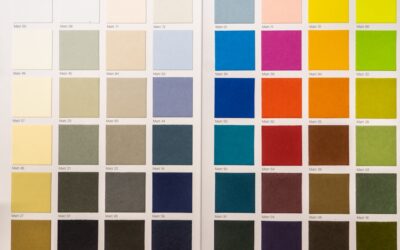
After a decade of cool grays, warm tones are having a well-deserved comeback, and browns are leading the charge. The best light brown paint colors bring a grounded, cozy warmth to a room without the heaviness people fear from the word “brown.” Choosing the right light brown paint colors is really about mastering undertones, because the same swatch can read taupe, beige, or greige depending on the light.
Part of our Paint & Walls guide — explore the full guide →
Done well, a light brown wall feels like a warm hug: soft, inviting, and endlessly flattering to wood furniture, natural fibers, and skin tones alike.
- Why Light Brown Works So Well
- Understanding the Undertones
- Best Light Brown Paint Picks
- Pairing Light Brown With Other Colors
- Warm Browns in Small and Dark Spaces
- Choosing by Room and Light
- Finish and Application Tips
- Light Brown Versus Gray and Beige
- Popular Light Brown Uses Around the Home
- Layering Texture With Light Brown
- Test Before You Commit
Why Light Brown Works So Well
Light brown occupies a sweet spot between the starkness of white and the drama of a deep color. It reads as a warm neutral, meaning it plays nicely with almost any accent color and photographs beautifully. Unlike cool grays, which can feel flat under warm evening light, browns glow at every time of day.
These shades also hide life better than pure white. Scuffs, dust, and small marks disappear against a soft brown far more easily, which makes them practical for hallways, living rooms, and homes with kids or pets.
Understanding the Undertones
Not all browns are created equal, and the undertone is what determines whether a color feels right in your space. A brown can lean pink, yellow, green, or gray, and that hidden bias changes everything.
- Pink or red undertone: Warmest and coziest, but can read dated if overdone
- Yellow undertone: Sunny and golden, great for darker north-facing rooms
- Green or gray undertone (greige): The most modern and versatile
- True taupe: A balanced, sophisticated middle ground
To spot the undertone, hold the chip against a pure white card. Whatever the brown seems to shift toward is its undertone, and that is the bias that will show up on your walls.
Best Light Brown Paint Picks
These are the shades I reach for most often, drawn from the two brands most homeowners can buy locally. Each has a proven track record across many real rooms.
- Sherwin-Williams Accessible Beige (SW 7036) — a warm greige beige that is nearly foolproof
- Benjamin Moore Shaker Beige (HC-45) — a classic warm tan with a soft golden note
- Sherwin-Williams Kilim Beige (SW 6106) — a warmer, slightly pink-leaning brown for cozy spaces
- Benjamin Moore Pashmina (AF-100) — a mushroom taupe with modern depth
- Sherwin-Williams Balanced Beige (SW 7037) — a deeper greige for a grounded feel
Expect to pay $40 to $70 per gallon for a premium interior line, and plan roughly one gallon per 350 square feet per coat.
Pairing Light Brown With Other Colors
The beauty of a warm brown is how forgiving it is with accents. For a serene, layered look, pair it with creamy whites and natural wood. For contrast, a deep navy or forest green accent wall or cabinetry looks stunning against a light brown backdrop.
Black hardware, iron light fixtures, and leather furniture all sing against these tones. If you want a soft, tonal room, stack several browns and beiges of slightly different depths for a rich, quiet effect that feels expensive and intentional.
Warm Browns in Small and Dark Spaces
Conventional wisdom says to paint small rooms white to open them up, but a warm light brown often works better. In a windowless powder room, a cramped hallway, or a small den, a cozy brown embraces the smallness instead of fighting it, turning a tight space into an intimate one. White in a dark room can read gray and dingy, while a warm tan glows.
The key in these spaces is choosing a brown with enough warmth to feel inviting under artificial light, since that is how the room is mostly seen. Pair it with warm-toned bulbs around 2700K and a few brass or wood accents, and a small dark room becomes a jewel-box moment rather than a space to apologize for. Do not be afraid to lean into the coziness.
Choosing by Room and Light
Light matters as much as the color itself. In a north-facing room with cool light, choose a brown with a yellow or red undertone to counteract the chill. In a bright south-facing room, cooler greige browns hold their sophistication without turning muddy.
Living rooms and bedrooms are natural homes for these warm neutrals, creating a cozy, restful atmosphere. Light browns also work beautifully in dining rooms, where they flatter both daylight gatherings and candlelit dinners. In small, dark spaces, a lighter tan keeps things open while still adding warmth.
Finish and Application Tips
For most walls, an eggshell or matte finish suits light brown best, softening the color and hiding minor wall flaws. Use satin on trim for a subtle contrast and easy cleaning. Because browns carry warmth, a flat ceiling white keeps the top of the room feeling crisp and prevents the space from feeling closed in.
Always prime over any patched drywall so the brown dries evenly, since these colors can flash and look blotchy over inconsistent surfaces. Two coats give the richest, most uniform result.
Light Brown Versus Gray and Beige
Homeowners often confuse light brown with its neighbors, so it helps to draw clear lines. A true beige leans lighter and often carries a yellow undertone, while gray is a cool neutral with no warmth at all. Light brown sits deeper and warmer than beige, giving a room more presence and coziness without going as dark as a chocolate or espresso tone.
Greige, the popular blend of gray and beige, overlaps with the cooler end of the light brown family. If your last decade of decor felt too cold and flat, moving from a gray to a warm light brown or a warm greige is the single fastest way to make a home feel welcoming again. The shift is subtle on paper but dramatic in person.
Popular Light Brown Uses Around the Home
Light brown is one of the most versatile colors you can choose, working in nearly every room. Its warmth and forgiving nature make it a designer favorite for high-traffic and connecting spaces.
- Living rooms: A cozy backdrop that flatters wood furniture and layered textiles
- Open-concept spaces: A warm neutral that flows seamlessly from room to room
- Hallways and entries: Hides scuffs and welcomes guests with warmth
- Bedrooms: Soothing and restful without the chill of gray
- Home offices: Grounded and focused, easy on the eyes during long days
Because it reads as a true neutral, light brown also makes an excellent whole-house color, letting you paint connecting spaces one shade for a cohesive, calming flow.
Layering Texture With Light Brown
A warm brown wall becomes truly special when you layer natural textures against it. Think jute rugs, linen curtains, rattan light fixtures, and plenty of real wood. These organic materials echo the earthiness of the color and build a rich, tactile room that feels collected rather than decorated.
Add a few plants and some warm metal accents in brass or bronze, and a simple light brown room reads like a high-end space. The color does the heavy lifting on warmth, and the textures give the eye somewhere interesting to land. This layered, natural approach is exactly why warm neutrals have overtaken cool grays in popularity.
Test Before You Commit
Undertones are sneaky, so never skip sampling. Paint large swatches on two different walls and observe them across a full day, including under your evening lamps. A brown that looks perfectly neutral at noon can suddenly turn pink at dusk or greenish in shadow.
Buy sample pots of your top two picks, live with them for a couple of days, and commit only once you have seen the color in your own light next to your own furniture. Get that right, and a warm light brown will make your home feel welcoming from the moment you walk in the door.