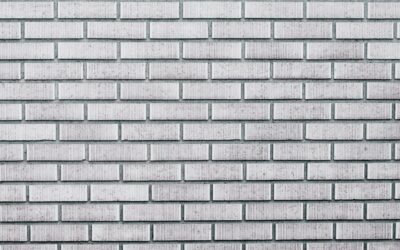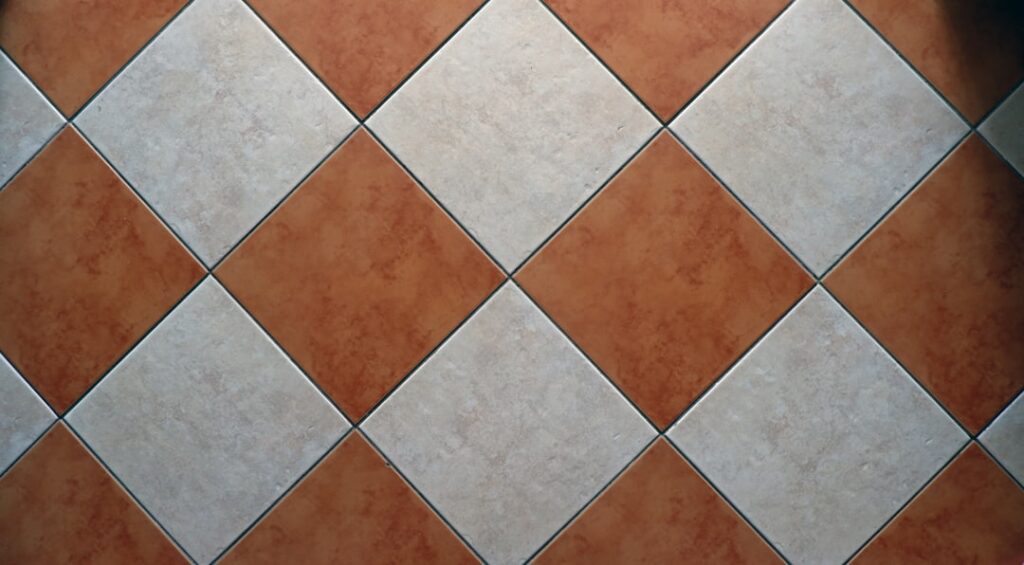
Grout color is one of the most overlooked design decisions in any tile project, yet it can completely change the finished look of a wall or floor. Choosing dark gray grout is one of the smartest moves a homeowner can make, because it delivers crisp contrast, hides everyday dirt better than white, and gives even a basic subway-tile backsplash a modern, intentional edge. This guide walks through where dark gray shines, how to pair it with popular tiles, which brands and colors to look for, whether to go sanded or unsanded, and how to seal it so it stays looking sharp.
Part of our Tile & Grout guide — explore the full guide →
Why Homeowners Choose Dark Gray Grout
The appeal comes down to two things: looks and practicality. Visually, a darker joint frames each tile, emphasizing the grid pattern and giving the installation a defined, architectural feel. It reads as contemporary and clean, especially against light tile, and it is a favorite in kitchens and modern bathrooms.
On the practical side, dark grout is far more forgiving than white. White grout on a floor or a heavily used backsplash starts looking dingy within months as grease, coffee, and foot traffic settle in. Dark gray disguises that everyday grime, so the joints stay looking consistent with a fraction of the scrubbing. For busy households, that alone justifies the choice.
Pairing Dark Gray Grout With Tile
White Subway Tile
This is the classic high-contrast pairing, and it is popular for good reason. Glossy white 3-by-6-inch subway tile with a dark gray joint creates a bold, graphic grid that looks great in kitchens, bathrooms, and laundry rooms. If you want the contrast a touch softer, step down to a medium-gray rather than near-black so the effect feels crisp instead of stark.
Marble and Marble-Look Tile
Pairing dark grout with real marble takes nerve, but a controlled contrast can look stunning and intentional on a floor. Be cautious, though: with genuine marble and other natural stone, dark pigment can migrate into the porous stone and stain it, so sealing the stone before grouting is essential. Marble-look porcelain sidesteps that risk entirely and is the safer choice for high contrast.
Wood-Look and Large-Format Tile
On gray or greige wood-look plank tile, a coordinating dark gray joint keeps the floor reading as one continuous surface while still defining the planks. For large-format tiles, a matching or slightly darker gray keeps the look calm and expansive rather than busy.
Brands and Colors to Look For
Most major grout manufacturers offer several shades in the gray family, and the exact name matters when you order.
- Custom Building Products (Polyblend): Popular dark options include Charcoal and Delorean Gray, both widely stocked at big-box stores.
- Mapei: Look for colors like Charcoal and Pewter in their Ultracolor Plus FA line, a rapid-setting, stain-resistant grout that resists efflorescence.
- Laticrete: Offers deep grays such as Charcoal and Smoke Gray in their PermaColor line.
Because screen images and small chips lie, always buy a physical grout color sample or a color chart and check it in your actual lighting before committing. Grout also dries lighter than it looks when wet, so judge the color only after a sample has fully cured.
Sanded vs. Unsanded: Which to Use
Color is only half the decision; the grout type depends on your joint width, not the shade.
- Sanded grout is for joints 1/8 inch and wider. The sand adds strength and resists shrinking and cracking in wider lines, which covers most floors and standard subway-tile spacing.
- Unsanded grout is for narrow joints under 1/8 inch, common with polished stone or tight wall tile. It is smoother and will not scratch delicate glazed or polished surfaces.
If your tile spacing is right on the border, ask your supplier; using the wrong type is a common cause of cracked or weak joints. Epoxy grout is a third option worth knowing about: it is nearly stainproof and does not need sealing, making it excellent for dark colors, though it costs more and is harder to work with.
Sealing and Staining Risk
Standard cement-based grout is porous, and here is the counterintuitive part with dark colors: the biggest risk is not the grout getting dirty but the grout losing its color unevenly. Dark cement grout can be prone to blotchy, patchy discoloration if it is not sealed and maintained, and hard water or harsh cleaners can lighten spots over time.
Protect the color with these steps:
- Seal after curing. Apply a quality penetrating sealer once the grout has cured, typically after 48 to 72 hours, and reseal every one to two years.
- Clean with pH-neutral products. Skip acidic cleaners and bleach, which can strip pigment and cause fading.
- Wipe haze carefully during install. Removing grout haze promptly prevents a filmy, faded look on dark joints.
- Consider a colorsealer. A pigmented sealer both protects and locks in a uniform dark tone.
If you want to skip most of this, epoxy grout in a dark gray shade gives you the color without the sealing chore.
Cost Considerations
Grout is a small line item relative to tile and labor, but the type drives the price. A bag of standard cement-based sanded or unsanded grout runs roughly $15 to $25 and covers a good amount of area. Epoxy grout is considerably more, often $40 to $80 per unit, plus higher labor if you hire out, because it sets fast and demands skill. Sealer adds another $15 to $30. Compared with the cost of the tile itself and installation, spending a little more for a stain-resistant grout in a dark color is usually money well spent.
Installation Tips for a Clean Result
Dark grout is less forgiving during installation than light grout, so a few habits make a big difference in the final look. Work in small sections and wipe the tile faces before the grout skins over, because dried dark grout haze is stubborn to remove and dulls the tile. Keep your sponge clean and your rinse water fresh; dirty water smears pigment across the surface. Use a barely damp, well-wrung sponge, since too much water floods the joints and pulls color out unevenly, which is the number-one cause of blotchy dark grout.
Mix the whole batch at once when possible, or measure the powder-to-water ratio precisely for each batch. Eyeballing water amounts between batches produces joints that cure to slightly different shades, and with a dark color those variations jump out. If you are doing a large floor, buying enough grout from a single lot number protects color consistency.
Is Dark Gray Grout Right for Your Project?
For most homeowners chasing a modern, low-maintenance look, this is a winning choice. It frames tile beautifully, hides daily dirt, and pairs with everything from white subway tile to wood-look plank. The trade-off is that dark cement grout demands proper sealing and gentle cleaning to keep its color even, which is why many people opt for epoxy or a colorsealer for peace of mind. Match sanded or unsanded to your joint width, buy a cured sample before you commit, and protect the finish, and dark gray grout will keep your tile looking sharp and current for many years.
Prefer to explore on your own?
See how new flooring looks in your actual room in seconds — free, no signup.
Try the free Floor Studio →