Grout color is one of the most underestimated decisions in any tile project, and it can make or break the finished look. Natural gray grout has become the default choice for a reason: it is the Goldilocks of grout colors, dark enough to hide dirt and light enough to keep a space feeling open, neutral enough to work with almost any tile. Whether you are tiling a subway backsplash, a shower, or a large-format floor, understanding what natural gray grout does and where it shines will help you avoid the two most common regrets, grout that shows every speck of dirt or grout that clashes with the tile.
Part of our Tile & Grout guide — explore the full guide →
What “Natural Gray” Actually Is
Natural gray is a true, medium-toned neutral gray with no strong warm or cool bias. It is arguably the most popular grout color sold, and most major brands offer a version of it. On the Custom Building Products color scale, for example, Natural Gray is a mid-range shade that sits between the very light Bright White and the deeper Delorean Gray. Because it lacks a strong undertone, it reads simply as gray in almost any lighting, which is exactly why it is so versatile. It is neither the pale silver-gray that shows dirt like white nor the charcoal that reads as a bold design line.
Why Homeowners Love It
The practical appeal of natural gray grout is that it hides everyday grime. White grout looks stunning on day one and grimy within months, especially on floors and in high-traffic showers. A medium gray disguises the fine dirt, soap film, and foot traffic that inevitably darken grout lines, so it stays looking clean far longer. At the same time, it is light enough that it does not visually chop up the tile the way a very dark grout can, so the surface still feels cohesive. It is the low-maintenance middle ground that suits homeowners who want good looks without constant scrubbing.
Which Tiles Pair Best With Natural Gray
Natural gray grout is a chameleon, but it looks especially good in these pairings:
- White subway tile: the classic combination. Gray grout defines each tile with a soft contrast that looks crisp without the harshness of black grout.
- Gray and greige porcelain: a near-match that blends seamlessly for a clean, modern floor.
- Marble-look and stone-look tile: gray echoes the natural veining and keeps the look organic.
- Wood-look plank tile: a matching gray grout disappears into the seams for a continuous wood-floor effect.
- Blue, green, and black tile: gray provides a neutral frame that lets colored tile stand out without competing.
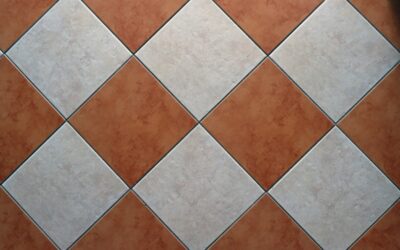
The one place to think twice is with warm-toned tiles like beige travertine or terracotta, where a true neutral gray can read slightly cool against the warm stone. In those cases a warm gray or greige grout may suit better.
Sanded vs Unsanded Natural Gray
Color is only half the decision; grout type matters too. Sanded grout contains fine sand and is used for joints 1/8 inch and wider, common on floors and most wall tile. It resists shrinking and cracking in wider joints and is the standard for large-format and floor installations. Unsanded grout is smoother and used for narrow joints under 1/8 inch, and for delicate tile like polished marble or glass that sand could scratch. Natural gray comes in both, so choose based on your joint width and tile material. For most subway and floor projects, sanded natural gray is the right call.
There is also epoxy grout, which comes in natural gray and resists staining and moisture far better than cement grout. It costs more and is trickier to work with, but for a shower floor or a heavily used kitchen backsplash, epoxy natural gray is worth considering because it will not need sealing and shrugs off stains.
Getting a Consistent Color
Cement grout can dry lighter or blotchier than the sample chip, and a few habits prevent disappointment. Mix grout to a consistent water ratio across batches, since more water makes cured grout lighter. Work in manageable sections and clean the haze at the same stage each time. Let grout cure fully, usually 48 to 72 hours, before judging the final color, because wet grout always looks darker than it will end up. If matching an existing area, buy grout from the same brand and dye lot when possible. To lock in an even color and add stain resistance, apply a penetrating grout sealer once the grout has cured.
Keeping Natural Gray Grout Clean
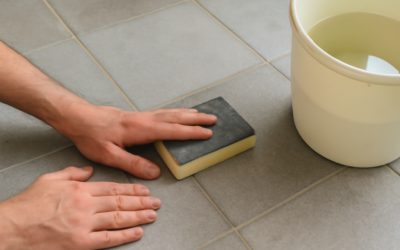
Even though natural gray hides dirt well, it still benefits from routine care. Sweep or vacuum floors regularly so grit does not embed in the joints. Damp-mop with a pH-neutral cleaner rather than acidic or bleach-based products, which can erode cement grout and lighten the color unevenly. For built-up grime in a shower, a soft brush and an oxygen-based grout cleaner lifts soap scum without harsh chemicals. Reseal cement grout every one to two years to keep water and stains from penetrating. Epoxy grout needs none of this sealing maintenance, one of its main advantages.
Natural Gray vs Other Popular Grays
Homeowners often waver between natural gray and its neighbors. Compared to a light silver-gray, natural gray hides more dirt and offers a touch more contrast against white tile. Compared to charcoal or delorean gray, natural gray is softer and less dramatic; the darker grays make each tile pop as a strong grid, which is a design statement rather than a neutral background. If you want the grout to disappear, go lighter or match the tile; if you want it to frame the tile subtly, natural gray is ideal; if you want the grout lines to be a bold feature, go darker.
The Bottom Line
Natural gray grout is popular because it solves the two biggest grout problems at once: it hides dirt far better than white and it stays neutral enough to complement nearly any tile. Match it with white subway, gray porcelain, marble-look, or wood-look tile for a clean, timeless result, choose sanded or unsanded based on your joint width, and consider epoxy for wet or high-use areas. Seal cement grout and clean it gently, and your natural gray grout lines will keep your tile looking crisp for years without the constant upkeep that lighter grout demands.
Prefer to explore on your own?
See how new flooring looks in your actual room in seconds — free, no signup.
Try the free Floor Studio →