Mapei Warm Gray grout has become one of the most requested grout colors in kitchens and bathrooms, and for good reason: it’s a soft, mid-tone gray with a slight warm undertone that flatters almost any tile without disappearing or fighting for attention. When homeowners tell me they want a grout that “goes with everything” and hides everyday dirt, this is frequently where we land.
Part of our Tile & Grout guide — explore the full guide →
Mapei is a major manufacturer whose grouts are stocked at home centers and tile shops nationwide, so this color is easy to source. Here’s how it performs, where it works best, and what to know before you commit.
What the Color Actually Looks Like
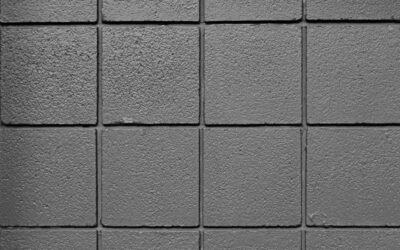
Warm Gray reads as a balanced, medium gray with a subtle beige or taupe warmth that keeps it from looking cold or industrial. It’s darker than a true light gray but lighter than a charcoal, sitting comfortably in the middle of the range.
That warmth is the key. Pure gray grouts can look blue or steely against warm-toned tile, but Warm Gray bridges cool and warm palettes gracefully. Always confirm the exact shade against a physical sample and your actual tile, since lighting and screens distort grout color badly.
Which Tiles It Pairs With
The versatility is why it sells. In my projects it complements a wide range of tile without clashing.
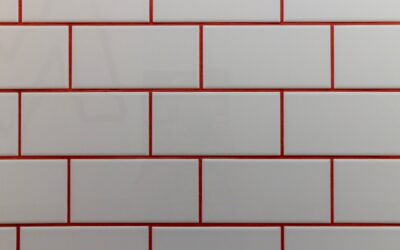
- White subway tile, for a soft contrast that reads clean but not stark
- Marble-look porcelain, echoing the natural gray veining
- Wood-look plank tile in warm and neutral tones
- Beige, greige, and cream floor tile
- Slate, travertine, and other natural stone
For a modern look, pair it with white or light tile for gentle definition of the grout lines. For a seamless, tone-on-tone effect, pair it with gray or greige tile in a similar value.
Which Mapei Grout Line To Buy
Warm Gray is offered across several Mapei product lines, and the line you choose matters as much as the color. The main options are cement-based sanded, cement-based unsanded, and premixed or epoxy grouts.
Mapei’s Keracolor is the traditional cement-based line, available in sanded and unsanded. Ultracolor Plus FA is a popular upgraded cement grout with built-in stain and efflorescence resistance and faster cure times. Flexcolor CQ is a premixed, ready-to-use grout that never needs sealing. Confirm that Warm Gray is available in the specific line and format you want before buying.
Sanded Versus Unsanded
The joint width decides this, not preference. Getting it wrong causes cracking or a rough finish.
- Sanded grout: use for joints 1/8 inch and wider; the sand resists shrinkage and cracking in wider lines
- Unsanded grout: use for joints narrower than 1/8 inch, common with tight-set subway and mosaic tile
Sanded grout can scratch soft, polished surfaces like some marble and glass tile, so use unsanded or an epoxy on delicate faces even in wider joints, or test first. When in doubt, follow the tile manufacturer’s grout recommendation.
Sealing and Maintenance
Standard cement-based grouts like Keracolor and Ultracolor Plus should be sealed after they cure to resist staining, though Ultracolor Plus has enhanced stain resistance that reduces the need. Premixed and epoxy options like Flexcolor CQ are stain-resistant and don’t require sealing.
For a cement grout, wait the full cure time, usually a few days to a week per the label, then apply a penetrating grout sealer. On a floor, a mid-tone like Warm Gray is forgiving because it hides the light dirt and foot traffic that would show glaringly on a bright white grout. That’s a big reason it’s popular for high-use kitchens and entryways.
Installation Tips From the Field
Consistency is everything with cement grout. Mix each batch to the same water ratio, because too much water lightens the cured color and weakens the joint. Warm Gray, like any mid-tone, will shift noticeably if your batches vary.
Clean the tile faces before the grout hazes over, and don’t over-wash, which pulls pigment and creates blotchy light spots. If you’re nervous about color consistency across a large floor, the premixed Flexcolor CQ removes the mixing variable entirely, at a higher material cost.
Is It the Right Choice for You?
If you want a neutral that flatters nearly any tile, hides everyday grime, and works in both modern and traditional spaces, Mapei Warm Gray grout is a safe, well-loved pick. Match the product line to your joint width, seal it if you choose a cement grout, and always verify the shade against a real sample under your own lighting. Do that, and you’ll get a grout color that looks intentional and stays looking good for years.
Sealing and Long-Term Care
Whether Mapei Warm Gray needs sealing depends on which product line you choose. Traditional cement-based grouts are porous and should be sealed after they cure to resist staining and keep the color even. Mapei’s premixed and epoxy grout options are stain-resistant out of the bucket and generally need no sealer, which is a real advantage in a busy kitchen backsplash or shower.
For cement grout, plan to reseal every year or two in wet areas. A quick water-bead test tells you when it is time: if water soaks in rather than beading, reseal.
Keeping the Color True
Gray grouts are prone to looking blotchy if the installation goes wrong, so consistency starts at mixing. Use the same water ratio for every batch, since extra water lightens the cured color and uneven ratios create light and dark patches across the same floor. Let the grout cure fully before judging the shade, as wet grout always looks darker than the final result. To keep the warm gray tone clean over the years, wipe up spills promptly and avoid harsh bleach cleaners, which can lighten and streak colored grout. A pH-neutral cleaner preserves the color far longer.
Where Warm Gray Works Best
Warm Gray is a versatile middle-ground color that flatters a huge range of tile. It softens the contrast under white subway tile without the stark look of bright white grout, complements natural stone and wood-look porcelain, and hides everyday dirt far better than light grouts. In a busy kitchen backsplash or a bathroom floor, that dirt-hiding quality is a practical win. Order a small sample and cure it against your actual tile before committing, since lighting and the surrounding tile color shift how the gray reads on the wall or floor.
Prefer to explore on your own?
See how new flooring looks in your actual room in seconds — free, no signup.
Try the free Floor Studio →