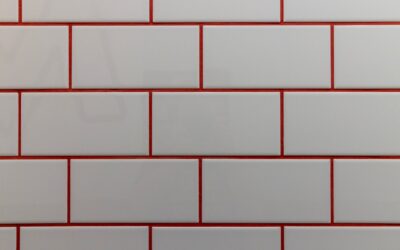
Mapei Chamois grout is one of those quietly popular colors that designers reach for when they want warmth without going dark. It is a soft, sandy beige, sitting in the light-neutral family of Mapei’s color line, warmer than a true gray and lighter than the tan and mocha shades. That in-between quality is exactly why it flatters so many tiles, from crisp white subway to travertine-look porcelain, giving a finished look that reads as intentional and organic rather than stark or heavy. This guide covers where Chamois works best, the tiles it pairs with, how it compares to neighboring colors, and how to get a consistent result when you install it.
Part of our Tile & Grout guide — explore the full guide →
What Chamois Actually Looks Like
Chamois takes its name from the pale, warm tan of chamois leather, and that is a fair description of the color. On the wall or floor it presents as a gentle greige-beige, warm enough to feel cozy but muted enough to stay in the background. Because it carries a warm undertone rather than a cool one, it softens the clinical edge that pure white grout can give a bathroom or kitchen, without the strong contrast that a charcoal or espresso grout creates.
Keep in mind that grout color always reads slightly differently once it cures and sits next to your specific tile and lighting. Chamois can lean a touch more tan under warm incandescent bulbs and a touch cooler under daylight LEDs. As with any grout, the color on a sample card is a guide, not a guarantee, so the smart move is to grout a few spare tiles and let them dry fully before committing to the whole room.
Best Tile Pairings for Chamois
Chamois is a genuine workhorse because its neutral warmth bridges many materials. It shines in a few particular combinations.
- White and cream tile: against white subway or a creamy ceramic, Chamois gives just enough definition to show the tile pattern without the hard grid lines that gray or black produce. It is the go-to for a soft, timeless kitchen backsplash.
- Travertine and limestone looks: the warm beige melts into natural stone and stone-look porcelain, creating a monolithic, high-end appearance where the grout nearly disappears.
- Beige and tan floor tile: for a matched, seamless floor, Chamois blends into sandy porcelain so the eye reads a continuous surface rather than a grid.
- Warm wood-look plank tile: it complements the honey and oak tones in wood-look porcelain far better than a cool gray would.
Where Chamois is less ideal is with cool-gray tile, bright white high-contrast schemes, or true modern black-and-white designs, where a cool gray or a bright white grout usually serves the look better.
How Chamois Compares to Nearby Colors
Mapei’s beige family includes several close cousins, and choosing among them trips up a lot of homeowners. Chamois sits in the middle of the warm-neutral group. It is lighter and warmer than Bone, which leans more toward a pale putty, and it is noticeably lighter than Pale Umber or Cream, which carry more depth and yellow. Compared with a popular color like Warm Gray, Chamois trades the cool undertone for a soft tan, so if your tile has any warmth at all, Chamois will harmonize where a gray might clash.
If you cannot decide between Chamois and a slightly deeper beige, consider how much you want the grout lines to show. A lighter grout like Chamois minimizes contrast and makes a small room feel larger and calmer, while a deeper tone emphasizes the tile pattern and hides everyday soiling better. For a backsplash that stays behind the counter and rarely gets dirty, the lighter Chamois is usually the more elegant choice.
Sanded or Unsanded, and Which Product Line
Chamois is available across Mapei’s grout products, and the right one depends on your joint width and tile. For grout lines wider than one-eighth inch, use a sanded formula, which resists shrinkage and cracking in bigger joints. For tight joints of one-eighth inch or less, and for scratch-prone polished stone or glass, choose an unsanded version so the sand grains cannot mar the tile face.
Many homeowners now choose Mapei’s premixed or high-performance formulas in Chamois because they resist staining and never need sealing, which is a real advantage for a light color in a wet area. A traditional cement grout in Chamois will look great but should be sealed to keep that pale beige from absorbing coffee, soap scum, and mildew. Whichever line you pick, buy from a single production lot when you can, since dye lots can vary slightly between batches.
Getting a Clean, Consistent Result
Light grout colors are less forgiving than dark ones, so a careful install pays off. Mix to the manufacturer’s water ratio precisely, because adding extra water lightens the cured color and weakens the grout. Grout in manageable sections, work the material fully into the joints at a 45-degree angle with the float, and strike the joints uniformly so they cure to the same depth and color.
The most common way people ruin a light grout is by washing the haze off too soon or with too much water, which pulls color out of the joints unevenly and leaves blotches. Wait until the grout firms up, then use a barely damp sponge in gentle circular passes, rinsing often. Let it cure fully, buff off the final haze with a dry cloth, and if you used a cement grout, seal it once it has cured for the time on the bag. Follow that process and Mapei Chamois grout delivers the soft, warm, seamless look that makes it such a reliable choice.
Keeping Chamois Looking Clean
A light grout color rewards a little ongoing attention, especially in a kitchen or bathroom where grease, soap, and hard water accumulate. For everyday cleaning, a soft brush and a pH-neutral cleaner lift dirt without harming the grout or the surrounding tile. Avoid acidic and abrasive cleaners, which can etch cement grout and slowly wear away the sealer, leaving the joints more prone to staining. On a backsplash behind a cooktop, wiping down the grout weekly keeps grease from building into a stubborn film that dulls the warm beige.
If a cement Chamois grout does pick up a stain over time, an oxygen-based grout cleaner and a stiff brush usually restore the color, followed by a fresh coat of sealer to protect it going forward. Because Chamois is a mid-light tone rather than a stark white, it forgives everyday soiling better than a bright white grout would, which is part of why it remains such a practical, low-drama choice for busy homes. Reseal cement versions once a year in wet areas and the joints will stay uniform and clean for the life of the installation. On a floor, where grout takes more foot traffic and tracked-in grit, a penetrating sealer is especially worthwhile because it keeps dirt from grinding into the porous cement and dulling the warm tone. A quick pass with a microfiber mop and neutral cleaner each week is usually all a Chamois floor grout needs to stay looking fresh between deeper cleanings.
Prefer to explore on your own?
See how new flooring looks in your actual room in seconds — free, no signup.
Try the free Floor Studio →