If you have ever wanted grout that feels warm and inviting rather than stark and clinical, chamois grout deserves a spot on your shortlist. Named after the soft, warm tan of a chamois cloth, this popular beige shade sits comfortably between cream and light taupe, adding a subtle glow to tile without shouting for attention. It is one of those quietly versatile colours that flatters everything from marble to wood-look plank. This guide explores where chamois grout works best, the tile pairings that make it sing, and how to keep a lighter grout looking fresh.
Part of our Tile & Grout guide — explore the full guide →
- What Chamois Grout Looks Like
- Why Designers Reach for Chamois Grout
- Best Tile Pairings for Chamois Grout
- Room-by-Room Design Inspiration
- Chamois Grout Versus Other Neutral Shades
- Keeping Chamois Grout Clean and Bright
- Sanded Versus Unsanded Chamois Grout
- Chamois Grout in Real Homes: Styling Tips
- Final Thoughts on Chamois Grout
What Chamois Grout Looks Like
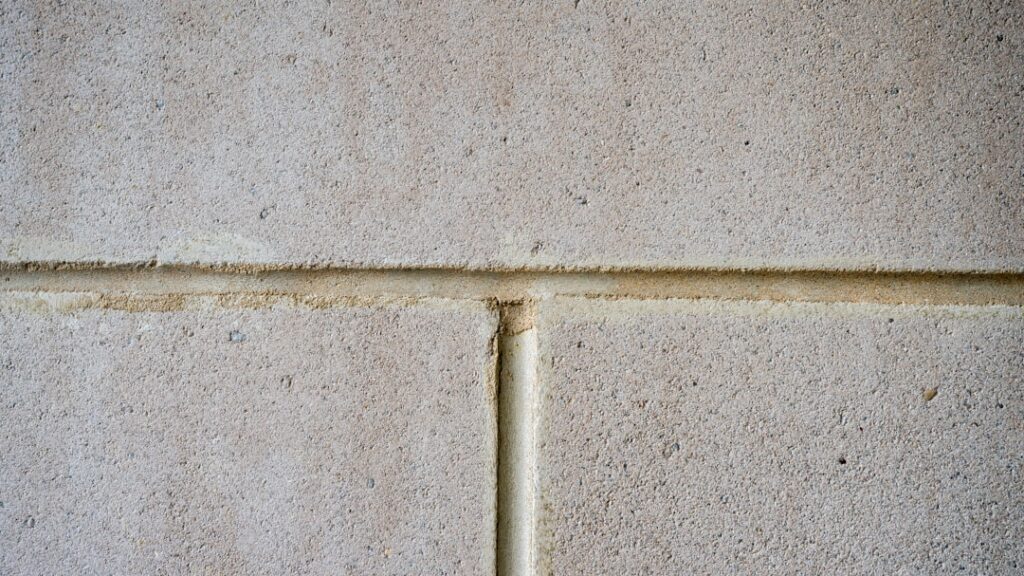
Chamois is a warm, light beige with soft golden and tan undertones. It is noticeably warmer than a true gray and softer than a bright white, which gives it a natural, organic quality. In a room, chamois grout reads as neutral and calming, never cold. Because it leans warm, it harmonizes beautifully with earthy palettes, natural stone, and wood tones, while still being neutral enough to disappear into lighter tiles.
Compared with stark white grout, chamois hides everyday soil better and looks less clinical. Compared with gray, it feels cozier and more traditional. That balance of warmth and neutrality is exactly why chamois has become a go-to shade in kitchens, bathrooms, and entryways across many design styles.
Why Designers Reach for Chamois Grout
Chamois earns its popularity because it is genuinely easy to work with. It complements a huge range of tile colours, it forgives more dirt than white, and it brings warmth to spaces that could otherwise feel sterile. Here is where it particularly excels:
- Warm-toned tile: It blends seamlessly with cream, ivory, beige, and tan tiles for a soft, monochromatic look.
- Natural stone: It flatters travertine, limestone, and beige marble by matching their earthy undertones.
- Wood-look plank: It nearly disappears against light oak and honey-toned wood tiles, preserving the plank illusion.
- Classic and transitional styles: Its understated warmth suits traditional, farmhouse, Tuscan, and transitional interiors.
Because it is neither trendy nor dated, chamois is a safe choice for homeowners who want a look that will still feel right in a decade.
Best Tile Pairings for Chamois Grout
The magic of chamois grout comes alive in the right pairings. With cream or beige subway tile, chamois creates a seamless, expansive backsplash that feels warm and high-end. With travertine or tumbled stone, it matches the natural tone so closely that the whole surface reads as one soft, continuous material, which is exactly the effect stone lovers want.
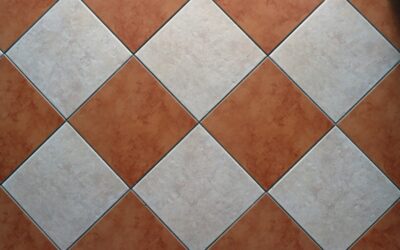
Chamois also pairs surprisingly well with white tile when you want gentle definition without harsh contrast. Instead of stark white-on-white or bold dark lines, chamois gives white tile a soft, sun-warmed grid that feels relaxed rather than rigid. And against terracotta, saltillo, or warm-toned porcelain floors, chamois grout ties everything together with an earthy cohesion that cool grays simply cannot match.
Room-by-Room Design Inspiration
Chamois grout adapts gracefully from room to room. Consider these ideas:
- Kitchen backsplash: Pair chamois with cream subway tile behind warm wood cabinets for a cozy, timeless kitchen.
- Bathroom walls: Use it with beige or stone-look tile to create a spa-like, enveloping warmth.
- Entryway floors: Combine chamois with travertine-look porcelain to hide tracked-in dirt while keeping the space bright.
- Fireplace surround: Set warm-toned stone tile with chamois for a hearth that feels inviting and grounded.
- Laundry or mudroom: Its dirt-hiding warmth makes it practical in hardworking utility spaces.
In each case, the goal is the same: let chamois add warmth and cohesion so the tile feels intentional and the room feels welcoming.
Chamois Grout Versus Other Neutral Shades
It helps to understand how chamois compares to its neighbors on the colour card. Bright white grout is crisp and modern but shows dirt quickly and can feel cold. True gray grout is popular and versatile but leans cool, which can clash with warm tile and wood tones. Darker taupe or mushroom grout gives more contrast and a moodier feel. Chamois sits right in the warm-neutral sweet spot, offering more warmth than gray, more forgiveness than white, and less contrast than dark taupe.
If your home features warm woods, earthy paint colours, brass or bronze fixtures, or natural stone, chamois will almost always feel more harmonious than a cool gray. It is the shade to choose when you want tile to feel soft and lived-in rather than sharp and contemporary.
Keeping Chamois Grout Clean and Bright
As a lighter shade, chamois grout hides dirt better than white but still benefits from care to stay looking fresh. A few habits go a long way. Seal cement-based chamois grout after it cures, and reseal periodically, to block stains and keep the colour even. Wipe up spills promptly, especially coffee, wine, and grease that can discolour lighter grout. Clean regularly with a pH-neutral cleaner and a soft brush, avoiding harsh acids that can etch or lighten the grout unevenly.
For a longer-lasting, stain-resistant option, consider a pre-mixed or epoxy grout in a chamois-matched shade, which holds its colour far better in busy kitchens and showers. With basic upkeep, chamois keeps its warm, inviting glow for years without the constant scrubbing that plagues bright white grout.
Sanded Versus Unsanded Chamois Grout
When you choose chamois grout, you will also decide between sanded and unsanded formulas, and this choice affects both durability and appearance. Sanded grout contains fine sand that adds strength and resists shrinking and cracking, making it the right pick for wider joints, typically one-eighth of an inch or larger, and for floors that endure heavy traffic. The sand gives the grout a slightly textured feel, which is generally not an issue in a warm neutral like chamois.
Unsanded grout is smoother and stickier, designed for narrow joints under one-eighth of an inch and for delicate surfaces like polished marble, glass, or metal tile that sanded grout could scratch. If your chamois installation involves tight joints on a glossy backsplash, unsanded is the safer choice, while a chamois floor with wider joints calls for sanded. Matching the grout type to your joint width and tile material ensures the chamois colour not only looks right but also holds up over time without cracking or dulling the tile.
Chamois Grout in Real Homes: Styling Tips
To get the most from chamois grout, style the surrounding elements to echo its warmth. Pair it with warm-toned wood, woven textures, and soft lighting to amplify the cozy effect it creates. In a kitchen, warm brass or aged bronze hardware picks up the golden undertones in the grout, tying the whole space together. In a bathroom, chamois grout with stone-look tile and warm wood vanities produces a spa-like retreat that feels inviting rather than sterile.
Because chamois is a forgiving neutral, it also lets you introduce bolder accent colours elsewhere without clashing, from deep green cabinetry to terracotta accessories. Keep wall colours in the warm-neutral or earthy family for the most harmonious result. Small choices like these turn a simple grout decision into a cohesive, thoughtfully warm design that feels intentional throughout the room.
Final Thoughts on Chamois Grout
Choosing chamois grout is a simple way to bring warmth, cohesion, and a timeless quality to any tile project. Its soft beige tone flatters natural stone, warm-toned tile, and wood-look plank, hides everyday dirt better than white, and feels cozier than cool gray. Whether you are dressing a kitchen backsplash, a spa-style bathroom, or an earthy entryway floor, chamois delivers a look that feels intentional and inviting rather than stark. Seal it, wipe up spills, and this warm neutral will keep your tile looking soft, welcoming, and beautifully put-together for the long haul.
Prefer to explore on your own?
See how new flooring looks in your actual room in seconds — free, no signup.
Try the free Floor Studio →