Eggshell grout is one of those quietly smart choices that can make a tile project look custom and considered rather than generic. It is a soft, warm off-white, a touch creamier and gentler than a stark bright white, that gives backsplashes, showers, and floors a clean finish without the glare or the relentless maintenance that pure white grout demands.
Part of our Tile & Grout guide — explore the full guide →
If you have been comparing grout colors and keep landing somewhere between “too white” and “too beige,” eggshell often turns out to be the sweet spot. This guide explains what the color looks like, which tiles it flatters, how to pick the right grout type, and how to keep those joints looking fresh for years.
What Eggshell Grout Looks Like
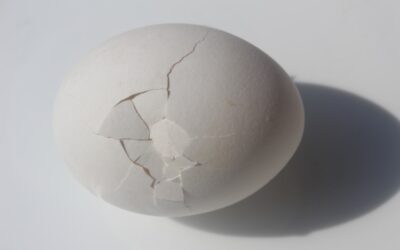
Eggshell takes its name from the soft, slightly warm white of a chicken’s egg. It is not a bright, blue-white like printer paper, and it is not a noticeable tan or beige. Instead it sits just off pure white with a faint warm undertone that softens the overall look of an installation. The effect is subtle but real, especially next to true white fixtures, where eggshell reads cozier and less clinical.
Because shade names vary between manufacturers, the same word can describe slightly different colors across brands. Treat the label as a guide and always confirm with a cured sample, since grout dries considerably lighter than it appears when freshly mixed and wet.
Why Choose Eggshell Over Bright White
Bright white grout looks stunning on installation day, then becomes a chore. On floors and busy backsplashes it shows coffee splashes, grease, and grime almost immediately. Eggshell keeps most of that crisp, light appeal while being meaningfully more forgiving:
- The warm undertone disguises everyday dirt and soap film better than pure white.
- It pairs naturally with warm-toned tiles, wood-look porcelain, and creamy stone.
- It softens the contrast on white tile so the result feels classic rather than stark.
- It flatters older homes and traditional interiors where a cold white can feel out of place.
For many homeowners, eggshell delivers the light, airy look they actually wanted from white grout, minus the disappointment that sets in after a few months of real life.
Best Tile Pairings
This color is genuinely versatile, but it truly sings with certain tiles:
- White and cream subway tile: Eggshell gives a soft, low-contrast joint that looks timeless on a kitchen backsplash.
- Warm marble and travertine looks: The creamy tone blends with the natural warmth of the stone rather than fighting it.
- Beige, sand, and greige tile: A near-seamless result where the grout quietly disappears.
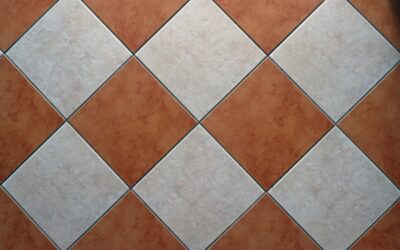
- Terracotta and warm wood-look porcelain: Eggshell bridges the warmth without the jarring line a cool white would create.
If your tile or fixtures lean cool and gray, a cooler off-white or light gray may coordinate better. Eggshell is at its best in warm and neutral palettes.
Where Eggshell Works in the Home
Eggshell grout is a strong all-rounder. On kitchen backsplashes it keeps things bright while hiding cooking splatter better than true white. In bathrooms and showers its warmth feels inviting, and it shows soap scum less readily than a bright shade. On floors it suits entryways, kitchens, and sunrooms where you want a light, open feel but still need the joints to survive daily traffic. In short, it fits almost anywhere you would have considered white but wanted a little more practicality.
Sanded vs. Unsanded and Epoxy Options
Picking the color is only half the job; the grout type depends mainly on your joint width and tile:
- Unsanded grout works best for narrow joints, generally under 1/8 inch, and for delicate or polished tiles that sand could scratch.
- Sanded grout suits wider joints, roughly 1/8 inch and up, where the added sand resists shrinking and cracking.
- Epoxy grout comes in eggshell and similar off-white tones and offers outstanding stain and water resistance, though it is trickier to mix and apply within its short working time.
Whatever you choose, follow the manufacturer’s instructions for mixing, joint size, and curing, and confirm the product is rated for your tile and location, especially in wet areas like showers.
Keeping Eggshell Grout Clean
Eggshell hides dirt better than white, but light grout still benefits from regular care. For routine cleaning, use a damp cloth or mop with a pH-neutral cleaner. Avoid bleach and strong acids on cement-based grout, since they can erode the surface and, over repeated use, lighten or discolor the joints unevenly.
For tougher buildup on floor or shower grout, a soft brush and a grout-safe cleaner lift embedded grime without harming the joints. Steer clear of harsh abrasive pads on glossy tile or natural stone faces. If water starts soaking into the grout rather than beading on top, that is your cue that the sealer has worn thin.
Sealing and Long-Term Maintenance
Cement-based grout is porous, so sealing it after it cures is essential for keeping eggshell looking clean and even. A penetrating sealer helps the joints repel water and stains, which is especially important in showers, around sinks, and on floors. Plan to reapply sealer periodically according to the sealer manufacturer’s recommendations, more often in high-moisture areas. If you opted for epoxy grout, sealing is unnecessary because it is naturally non-porous.
With consistent sealing and gentle cleaning, eggshell grout retains its soft, warm glow for many years rather than yellowing or graying. That durability, combined with how gracefully it flatters warm and neutral tile, is why it remains a favorite for homeowners who want a light look without signing up for endless scrubbing.
Is Eggshell Grout the Right Pick?
If you love the brightness of white but dread its upkeep, and your tile and fixtures lean warm or neutral, eggshell grout is an excellent, low-regret choice. Before you commit, buy a small amount, cure a test patch on a spare tile, and look at it in your actual space under both daylight and lamplight. Because grout always dries lighter than it appears wet, judging a finished sample in place is the most reliable way to confirm that eggshell is the shade your project needs.