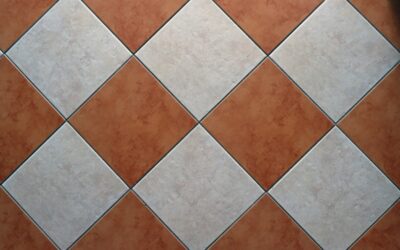
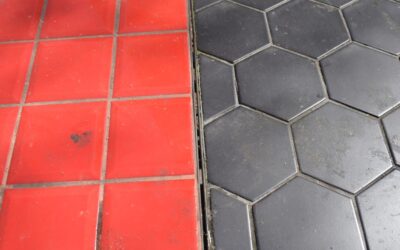
Most people think of grout as the thin lines between tiles and assume it is purely decorative, which is exactly backward. So what does grout do? It fills and seals the joints between tiles, locks each tile in place so the whole installation moves as one, blocks dirt, debris, and moisture from getting underneath, and gives the finished surface a clean, complete look. In short, grout is doing structural and protective work, not just filling gaps. Understand its job and you will install it better, clean it smarter, and avoid the failures that ruin tile floors and showers.
Part of our Tile & Grout guide — explore the full guide →
What Grout Actually Does
Grout is the material packed into the joints after the tile is set and the adhesive has cured. Its functions are practical and several at once. First, it fills the space between tiles so there are no open gaps. Second, it locks the tiles in place, preventing them from shifting, chipping at the edges, or rubbing against each other as the floor flexes underfoot.
Third, grout blocks debris, dirt, and moisture from getting underneath the tile, where water could otherwise reach the subfloor or the wall behind it and cause rot, mold, or adhesive failure. Finally, grout gives the installation a finished, uniform look, framing each tile and turning a field of loose pieces into one cohesive surface. Take grout away and a tiled floor would loosen, collect grime in the gaps, and let water seep below within months.
Why Tile Joints Need Grout
Tile is never installed edge to edge with zero gap. Small joints are intentional because they absorb the slight size variation between tiles and the natural expansion and contraction that happens as temperatures change. Grout fills those joints with a material that can handle the movement and the moisture.
Without grout, the open joints would trap food, dirt, and water, and the unsupported tile edges would chip and crack the first time something heavy hit them. The grout transfers stress between tiles and the substrate so the assembly behaves as a single, durable surface rather than a loose mosaic.
Sanded vs. Unsanded Grout
One of the first choices you face is between sanded and unsanded grout, and the right pick depends mostly on the width of your joints:
- Sanded grout: Contains fine sand that adds bulk and strength. Use it for joints 1/8 inch and wider, such as most floor tile. The sand keeps the grout from shrinking and cracking in wider gaps and stands up to floor traffic.
- Unsanded grout: Smoother and stickier, designed for narrow joints under 1/8 inch. It clings well to vertical surfaces, so it is common on shower walls and backsplashes. It is also the safer choice with soft, scratch-prone tiles like polished marble or glass, where sand could mar the surface.
Matching the grout type to the joint width is one of the most common ways DIYers go wrong. Sanded grout forced into a hairline joint will not pack properly, and unsanded grout in a wide floor joint tends to crack.
Cementitious vs. Epoxy Grout
Beyond texture, grout comes in two main chemical families, and they behave very differently:
- Cementitious grout: The traditional, most common type, made from a cement base mixed with water. It is affordable, easy to work with, and available sanded or unsanded. Its drawback is that it is porous, so it absorbs water and stains and usually needs to be sealed and resealed to stay protected.
- Epoxy grout: Made from epoxy resins and a hardener instead of cement. It is far more stain-resistant, waterproof, and durable, and it does not need sealing. It costs more, sets faster, and is trickier to apply, but it is excellent for kitchens, showers, and any high-moisture or high-stain area.
For a busy kitchen backsplash or a shower floor, the higher upfront cost of epoxy grout often pays off in years of low-maintenance, stain-free joints. For a low-traffic floor on a budget, sealed cementitious grout works fine.
How Grout Protects Against Moisture
Moisture control is one of grout’s most important jobs, especially in bathrooms, showers, and kitchens. By filling the joints completely, grout closes the pathways water would otherwise use to reach the subfloor or the wall framing behind the tile. That said, standard cementitious grout is porous and is not a true waterproof barrier on its own.
This is why two extra steps matter. In wet areas, a proper waterproofing membrane goes behind or beneath the tile to stop water that does pass through, and a grout sealer applied to cementitious grout slows absorption and resists staining. Epoxy grout sidesteps the sealing step because it is inherently waterproof. Where two surfaces meet, such as the corner where a wall tile meets a tub or where the floor meets the wall, use flexible silicone caulk instead of grout, because rigid grout will crack at those moving joints.
Caring for Your Grout
Grout only keeps doing its job if you maintain it. For cementitious grout, plan to apply a penetrating sealer after installation and reapply it every year or two in wet areas. Clean grout lines with a soft brush and a mild cleaner rather than harsh acids, which can eat away the cement over time.
Watch for cracked, crumbling, or missing grout and repair it promptly, because an open joint lets water reach the substrate and undermines the whole installation. Regrouting a worn line is a simple fix: rake out the old grout, pack in fresh, and reseal. Catching it early prevents the far costlier job of replacing tile and subfloor after water damage spreads.
Final Thoughts
Grout is quietly doing some of the hardest work in any tile installation. It fills and seals the joints, locks the tiles in place, keeps dirt and moisture from getting underneath, and pulls the whole surface together into a finished look. Choose sanded grout for wider floor joints and unsanded for narrow walls, then pick cementitious for budget jobs or epoxy for maximum durability and water resistance. Seal cementitious grout, caulk the moving corners with silicone, and repair damage early. Treat grout as the working system it is, and your tile will stay tight, clean, and watertight for decades.