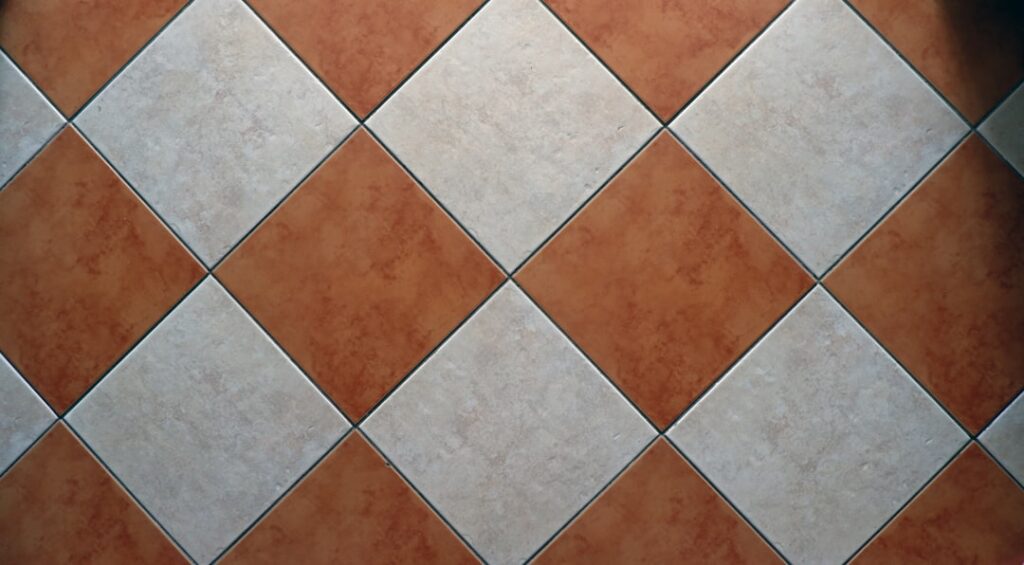
Platinum grout is a soft, light-gray shade that has quietly become one of the most popular grout colors for modern tile work. It is darker than a stark white but far lighter than charcoal, which makes it the practical middle ground homeowners reach for when they want clean grout lines that do not show every speck of dirt.
This guide explains exactly what platinum grout is, where it looks best, how to handle sealing and stain resistance, and the install details that keep the color consistent. If you are stuck between bright white and dark gray, this is the comparison you need.
What Platinum Grout Looks Like
Platinum is a light, neutral gray with a slightly cool undertone. Several major grout manufacturers offer a shade by this name, and while the exact tone varies a touch by brand, the family is consistent: a pale silver-gray that reads clean without going pure white. Against white tile it gives subtle definition. Against gray or marble-look tile it blends almost seamlessly.
That neutrality is the whole appeal. The color does not compete with the tile, it frames it. You get visible grout lines that look intentional and tidy rather than loud or dirty.
Why It Is So Popular
The biggest reason is maintenance. Pure white grout looks crisp on day one and then shows every coffee splash, every footprint, and every bit of mildew within months. Platinum hides that everyday grime far better while still keeping the bright, fresh feel that white delivers. It is the color you choose when you love the white-grout look but live in the real world.
- Forgiving: hides light staining and traffic marks better than white.
- Versatile: pairs with white, gray, marble-look, and most neutral tile.
- Timeless: a neutral gray will not look dated the way trend colors can.
- Subtle contrast: defines tile edges without a harsh grid.
Where Platinum Grout Works Best
This shade is a workhorse across the home. On a white subway backsplash it provides just enough contrast to outline each tile cleanly. With gray or greige floor tile it disappears into a smooth, monolithic field. In a marble-look shower it complements the veining without fighting it.
Consider the room’s traffic and exposure. On a busy kitchen floor or an entry, platinum’s dirt-hiding ability is a genuine advantage. In a low-use powder room you have more freedom, but the neutral still looks polished. For pairing, lighter tile with platinum reads soft and contemporary, while darker tile with platinum gives gentle, modern contrast.
Sanded or Unsanded
Color is only half the decision. Grout also comes in different formulations, and the right one depends on your joint width and tile type.
- Unsanded grout: best for narrow joints under 1/8 inch and for delicate or polished tile that sanded grout could scratch.
- Sanded grout: stronger for wider joints of 1/8 inch and up, common on floors and larger-format tile.
- Epoxy grout: available in platinum-style shades from some brands; nonporous, highly stain- and water-resistant, and ideal for wet areas, though trickier to apply.
Match the formulation to your joint size so the color cures evenly and the joints hold up under use.
Sealing and Stain Resistance
Standard cement-based platinum grout is porous, which means it absorbs water and stains unless you seal it. Even though the gray hides grime better than white, sealing still matters for longevity and hygiene, especially in showers and kitchens.
After the grout fully cures, usually 48 to 72 hours, apply a quality penetrating grout sealer following the product instructions. Plan to reseal every one to two years in wet or high-traffic areas. If you want to skip sealing entirely, choose an epoxy grout in a platinum tone, which is inherently nonporous and resists staining and mildew without a topical sealer.
Installation Tips for Consistent Color
Grout color failures usually trace back to inconsistent mixing and cleanup, not the product itself. A few disciplined habits keep platinum looking uniform across the whole job.
- Mix every batch with the same water ratio. Too much water lightens the cured color and weakens the joint.
- Let mixed grout slake as the directions specify, then remix before applying.
- Work in manageable sections and clean haze with a barely damp sponge, wiping diagonally so you do not pull grout out of the joints.
- Avoid over-washing the joints, which dilutes pigment and creates blotchy, light patches.
- Use grout from the same lot number when possible to keep the shade consistent.
Let the surface cure fully before heavy use or sealing, and resist the urge to walk on a freshly grouted floor.
Keeping It Clean
Routine care preserves the color. Wipe spills promptly, and clean grout lines with a pH-neutral cleaner and a soft brush rather than harsh acids or bleach, which can erode the grout and leave uneven spots. For occasional buildup, a paste of baking soda and water lifts grime without damaging the joint. In showers, squeegee the walls and ventilate the space to discourage mildew.
If the grout dulls over the years, a fresh coat of sealer or a grout colorant in a matching platinum tone can restore the look without a full regrout.
Platinum vs Other Popular Grout Shades
It helps to see where platinum sits among the common choices. Bright white delivers the cleanest, most classic look but demands the most upkeep and yellows or stains fastest in wet areas. Charcoal and black create bold, graphic contrast that highlights every tile, but they can read heavy in a small room and show efflorescence or lime film as a pale haze. Warm greiges lean cozy and pair with beige and cream tile, while platinum’s cooler gray suits whites, grays, and marble-look tile.
If you want the brightness of white without the maintenance headache, platinum is the natural compromise. If you want drama, go darker. If your tile and palette skew warm, a greige may flatter it more than a cool platinum. The right pick always comes back to your tile color and how much cleaning you are realistically willing to do.
The Bottom Line
Platinum grout earns its popularity by solving the central grout dilemma: it keeps the bright, clean appearance people love about white while standing up to real-life dirt the way darker grays do. Choose the right formulation for your joints, seal it unless you opt for epoxy, and keep up with gentle cleaning. The result is tile work that looks crisp and intentional for years, with far less fuss than a stark white line.