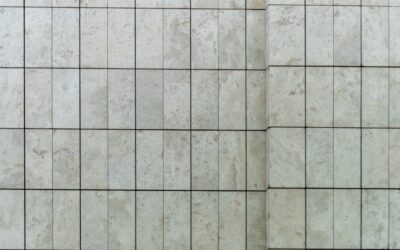
Grout is the single detail that decides whether your beige tile reads as warm and seamless or busy and dated. After 20 years setting tile, I can tell you the best grout color for beige tile is almost always a shade that matches or sits one step darker than the tile itself. Beige is a chameleon, though, shifting pink, yellow, or gray depending on the light, so the “right” grout on a sample board can look wrong once it’s grouted into a full floor. This guide walks you through the shades that actually work, when to break the matching rule, and how to test before you commit.
- Matching vs. Contrasting: The First Decision
- Top Grout Shades for Beige Tile
- How Lighting Changes Everything
- Testing Before You Commit
- Sanded vs. Unsanded and Sealing
- Cost Context for Your Project
- Common Mistakes to Avoid
- Frequently Asked Questions
- Should grout be lighter or darker than beige tile?
- Does gray grout look good with beige tile?
- What grout color hides dirt best on a beige floor?
- The Bottom Line
Matching vs. Contrasting: The First Decision
Before you pick a specific color, decide on a strategy. A matching grout blends into the tile, hides layout imperfections, and makes a small room feel larger and calmer. A contrasting grout frames each tile, emphasizes the pattern, and turns a plain beige tile into a design feature. Neither is wrong, but they solve different problems.
For most beige floors and backsplashes, I steer homeowners toward matching or a half-step darker. Beige is a neutral you chose for its softness, and a hard black or white grout fights that softness. Save the bold contrast for when you specifically want a grid pattern to stand out, like a herringbone laid in a mudroom.
- Match the tile: seamless, forgiving, timeless. Best for large-format tile and open floors.
- One step darker: defines the joint subtly, hides dirt and foot traffic. My default recommendation.
- Bold contrast: graphic and modern, but shows every lippage and spacing error. Demands a clean install.
Top Grout Shades for Beige Tile
Here are the shades I reach for most often, using two of the most widely stocked North American brands, MAPEI and Custom Building Products (Polyblend). Colors vary slightly between sanded and unsanded formulas, so always confirm against a physical chip.
Best matching and blending shades
- Bone (MAPEI / Polyblend) — a soft off-white with a warm undertone; the safest match for light, creamy beige tile.
- Almond — slightly warmer and deeper than Bone; disappears into medium beige with pink or tan undertones.
- Haystack (MAPEI) — a gentle warm tan that vanishes into honey and sand-toned beige.
- Bahama Beige (MAPEI) — a true beige-on-beige match for classic ceramic and porcelain.
- Chamois — a rich golden beige for tile with strong yellow warmth.
Best subtle-contrast shades (one step darker)
- Sandstone — a grayed tan that defines joints without shouting; excellent for busy floors that see dirt.
- Warm Gray — bridges beige and greige palettes; ideal if your cabinets or walls lean gray.
If you want real drama, a charcoal or espresso grout against beige creates a strong grid. It looks fantastic in modern kitchens but be honest with yourself: dark grout on light tile is unforgiving, and any wavy joint or uneven tile edge will be broadcast across the room.
How Lighting Changes Everything
The mistake I see constantly is choosing grout under the harsh fluorescent lights of a tile showroom, then hating it at home. Beige tile and grout both shift with the light source.
- North-facing rooms get cool, bluish daylight that pulls warm beige toward gray. Choose a slightly warmer grout (Chamois, Almond) to compensate.
- South and west light is warm and golden, which can make an already-warm grout look orange. Lean toward Bone or Warm Gray to keep it balanced.
- Warm LED bulbs (2700K) amplify yellow; cool bulbs (4000K+) flatten it. Test your grout under the exact bulbs you use at night.
Always view your grout chip against the tile at different times of day, both in daylight and under your fixtures, before ordering a bag.
Testing Before You Commit
Grout is permanent, so spend 30 minutes de-risking the choice. Here’s the process I use on every job:
- Lay four or five loose tiles on the floor where they’ll be installed.
- Set grout chips into the joints, or mix a small test batch and grout a scrap section on backer board.
- Let the test cure fully. Wet grout looks two to three shades darker than cured grout, so never judge it until it’s dry after 24 to 48 hours.
- View it morning, midday, and night under real conditions.
This single step prevents the most expensive grout mistake: regretting the color after 200 square feet are already set and cured.
Sanded vs. Unsanded and Sealing
Color isn’t the only spec. Joint width dictates the grout type. Use sanded grout for joints wider than 1/8 inch and unsanded for tighter joints of 1/16 to 1/8 inch, common with polished or rectified beige tile. Sanded grout in a wide joint reads slightly grainier and can appear a touch lighter than the same color unsanded.
Standard cement grout is porous and will absorb spills and dirt, so plan to seal it. A penetrating sealer applied 48 to 72 hours after grouting keeps beige grout from graying over time. Alternatively, single-component or epoxy grouts like MAPEI Flexcolor CQ resist staining without sealing and hold color better, which matters a lot with light beige tones that show every coffee ring. Expect to pay a premium for those, roughly $25 to $45 per unit versus $15 to $20 for standard cement grout.
Cost Context for Your Project
Grout is a small line item with an outsized visual impact. For a typical 100-square-foot backsplash or bathroom floor, you’ll use one to two bags of grout, so material runs $15 to $60 depending on whether you choose standard cement or a stain-resistant single-component product. Sealer adds another $15 to $30. If you hire out, grouting is usually folded into the tile installer’s $8 to $15 per square foot labor rate. Spending a few extra dollars on the right formula and a good sealer protects an investment that will sit in your home for a decade or more.
Common Mistakes to Avoid
- Choosing pure white grout with beige tile. It creates a cold, mismatched look and stains fast in kitchens and entries.
- Judging grout wet. It always dries lighter. Wait for a full cure.
- Ignoring undertones. Beige with pink undertones clashes with a green-gray grout. Match the undertone, not just the lightness.
- Skipping the seal. Unsealed cement grout goes dingy within a year in high-traffic zones.
Frequently Asked Questions
Should grout be lighter or darker than beige tile?
For a soft, seamless look, match the tile or go one step lighter. For subtle definition that hides dirt, go one shade darker with something like Sandstone. Only jump to a strong dark contrast when you specifically want the grid pattern to show and your install is dead flat.
Does gray grout look good with beige tile?
A warm gray or greige grout works beautifully with beige tile, especially if your cabinets, walls, or counters lean gray. Avoid cool, blue-gray grouts, which fight beige’s warmth and can look dirty or mismatched.
What grout color hides dirt best on a beige floor?
Mid-tone tans like Sandstone or Haystack hide foot traffic and grime far better than bright white or very light grout. Pair a dirt-hiding color with a good sealer or a stain-resistant epoxy grout for the easiest maintenance.
The Bottom Line
The best grout color for beige tile is one that matches the tile’s warmth and sits at or just below its lightness. Start with Bone or Almond for creamy tile, Bahama Beige or Haystack for true beige, and Sandstone or Warm Gray when you want quiet definition. Reserve dark charcoal only for clean, modern installs where you want the grid to pop. Test a cured sample under your own lighting, seal your grout, and you’ll end up with a floor or backsplash that looks intentional for years rather than one you second-guess every morning.
Prefer to explore on your own?
See how new flooring looks in your actual room in seconds — free, no signup.
Try the free Floor Studio →