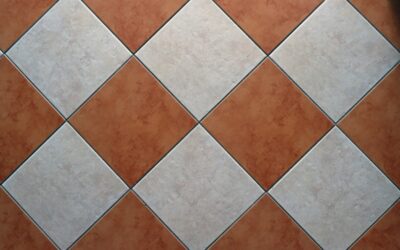
If you want a grout that looks clean without demanding constant scrubbing, ash grout sits in the sweet spot between crisp white and moody charcoal. This soft-to-medium gray tone hides everyday dirt, pairs with nearly every tile color, and reads as calm and contemporary rather than stark. It has become one of the most requested grout shades for kitchen backsplashes, bathroom floors, and gray porcelain plank installations.
Part of our Tile & Grout guide — explore the full guide →
Ash is a cool-leaning neutral gray, typically a touch lighter and less blue than shades like Delorean Gray or Platinum. Manufacturers including Mapei, Custom Building Products, and Laticrete each carry an “ash” or near-ash color in their sanded and unsanded lines. Below you’ll find where this shade shines, how to mix and seal it correctly, and how to keep it looking sharp for years.
- What Makes This Gray Shade So Popular
- Where Ash Grout Works Best
- Ash vs. Other Gray Shades
- Sanded or Unsanded?
- How to Mix It for a Consistent Color
- Sealing and Protecting the Joints
- Cleaning and Maintaining Gray Grout
- Common Mistakes to Avoid
- Pairing Ash With Countertops and Fixtures
- Is Ash Grout Right for Your Project?
What Makes This Gray Shade So Popular
Gray grout in general forgives the grime that white grout advertises, and ash lands at the practical middle of that family. It is light enough to keep a space feeling open and bright, yet dark enough that mop water, foot traffic, and airborne kitchen grease do not show as obvious shadows within a season.
The color also flatters a huge range of tile. Against white subway tile it delivers gentle contrast that outlines each piece without the graphic harshness of black. On gray porcelain it blends into a nearly seamless field. With warm wood-look plank it cools the palette just enough to feel modern. That versatility is why designers reach for it when a client cannot decide between “hide the grid” and “show the grid.”
Where Ash Grout Works Best
Some rooms benefit more than others from this mid-gray tone. Consider it for:
- Kitchen backsplashes: Cooking splatter and grease film disappear against ash far better than against bright white.
- Bathroom and mudroom floors: Tracked-in dirt and hard-water spotting stay hidden between deep cleans.
- Gray or greige porcelain plank: A near-match that keeps large-format floors looking continuous.
- Shower walls: Resists the pink and gray mildew shadows that plague white joints.
If you are still selecting the tile itself, our tile flooring hub covers format, finish, and layout choices that pair naturally with a gray grout line.
Ash vs. Other Gray Shades
Gray is a crowded category, so knowing where ash falls prevents ordering the wrong bag. Here is how it stacks up against common neighbors:
- Ash vs. Silver: Silver is noticeably lighter and shows dirt sooner. Choose ash if low maintenance matters.
- Ash vs. Delorean Gray: Delorean is a popular mid-gray with a slightly warmer, browner cast. Ash reads cooler and cleaner next to white tile.
- Ash vs. Charcoal: Charcoal is far darker and creates bold contrast. Ash gives a softer, more understated grid.
- Ash vs. Platinum: Platinum leans blue-gray. Ash is more neutral and versatile across warm and cool tiles.
Because names vary between brands, always confirm against a physical color card. For a broader breakdown of how grout tones change a room’s feel, the comparisons section lays out light-versus-dark trade-offs.
Sanded or Unsanded?
The color is the same; the texture depends on your joint width. Use sanded ash grout for joints wider than 1/8 inch, such as most floor tile and standard subway layouts. The sand adds compressive strength and resists shrinkage cracking in wider gaps.
Choose unsanded ash grout for joints 1/8 inch or narrower, and for polished marble or glass tile that sand would scratch. If you install glass mosaic with tight seams, unsanded is the safe default. When a floor uses 3/16-inch joints, sanded is mandatory for durability.
How to Mix It for a Consistent Color
Uniform color comes down to disciplined mixing. Follow these habits to avoid patchy, blotchy joints:
- Measure water precisely. Use the exact ratio on the bag, typically about 1 quart of cool water per 10-pound batch. Too much water dilutes the pigment and dries the grout lighter.
- Mix full bags together. Pigment can vary slightly between bags, so for large floors, blend multiple bags dry before adding water to average out any lot difference.
- Let it slake. After the first mix, wait 5 to 10 minutes, then remix. Slaking lets the polymers activate and locks the color.
- Keep water consistent. Use the same amount of water in every batch. Batches mixed wetter or drier cure to different shades.
- Sponge with clean water. Wring the sponge nearly dry and change your bucket water often; muddy water redeposits a hazy film that dulls the ash tone.
Sealing and Protecting the Joints
Cementitious grout is porous, and even a forgiving gray absorbs oils and stains over time. Seal it 48 to 72 hours after installation once the grout has fully cured. A penetrating silicone or fluoropolymer sealer soaks into the joint and repels water and grease without changing the color.
Apply the sealer with a small foam applicator directly on the joints, wait 5 to 10 minutes, then wipe any excess off the tile before it hazes. Two thin coats outperform one heavy coat. Re-seal floor grout every one to two years and wall grout every two to three years. If you skip epoxy grout, which is naturally stain-resistant and needs no sealing, this step is what keeps your ash joints from graying unevenly.
Cleaning and Maintaining Gray Grout
Its mid-gray tone means routine dirt hides well, but the joints still need care to keep from darkening permanently. Sweep or vacuum floors before mopping so grit does not grind into the seams. For weekly cleaning, use a pH-neutral cleaner rather than acidic products, which erode both sealer and cement.
For a periodic deep clean, scrub the joints with a soft nylon brush and an oxygen-bleach solution, then rinse thoroughly. Avoid chlorine bleach and harsh acids; they can lighten or mottle the pigment. Our cleaning guides detail safe grout-cleaning recipes that lift buildup without stripping color.
Common Mistakes to Avoid
The most frequent misstep is inconsistent water measurement between batches, which cures the joints in visibly different shades across a single floor. Mixing every batch by eye rather than by measured quantity almost guarantees a mottled result. Keep a marked pitcher and use the identical amount each time.
Another mistake is over-sponging while the grout is still fresh. Aggressive wiping pulls pigment and binder out of the joint, leaving pale, weak lines that never match the rest. Wait until the grout firms up, then sponge lightly with a nearly dry sponge. Skipping the slaking step also weakens color development, so never rush that 5- to 10-minute rest before the final mix. Finally, applying sealer before the grout has fully cured traps moisture and can cause a cloudy haze that dulls the clean gray you chose.
Pairing Ash With Countertops and Fixtures
A grout color rarely lives in isolation. Ash reads beautifully against quartz counters in white, gray, and greige, and it echoes stainless-steel appliances and brushed-nickel fixtures without clashing. Warm brass and gold hardware also work, since the neutral gray keeps the metal from looking out of place. If your counters lean warm, such as butcher block or a beige granite, the cool ash tone provides a pleasant contrast that keeps the palette from feeling one-note. Pull a physical grout chip and set it beside your counter sample and cabinet door before ordering, because adjacent surfaces shift how the gray reads.
Is Ash Grout Right for Your Project?
For most homeowners who want a modern, low-fuss look, ash grout is an easy recommendation. It bridges white and charcoal, forgives daily mess, and complements warm and cool tile alike. Reserve pure white for formal, spa-style baths you commit to keeping pristine, and save charcoal for bold, high-contrast statements.
Order a small sample bag, mix a test batch, and cure a few joints on scrap tile before committing your whole floor. Seeing the true dried shade next to your actual tile, in your own lighting, is the surest way to confirm that ash grout delivers the balanced, timeless finish you are after.
Prefer to explore on your own?
See how new flooring looks in your actual room in seconds — free, no signup.
Try the free Floor Studio →