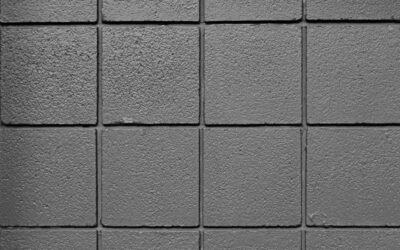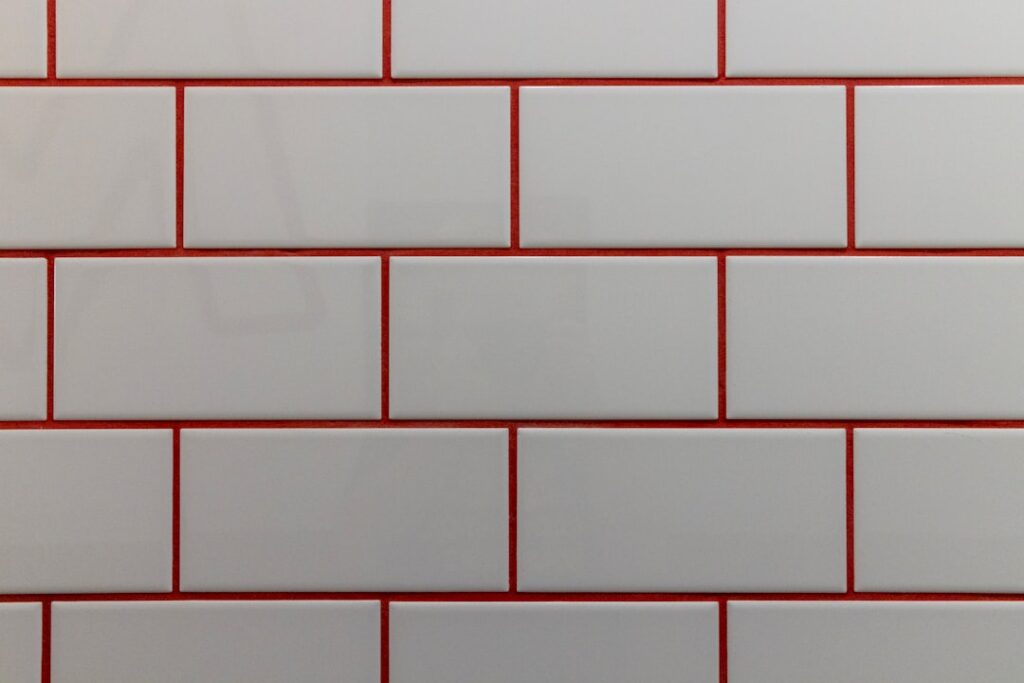
Choosing a grout color feels minor until you are standing in the tile aisle holding two nearly identical gray sample sticks, knowing the wrong pick will haunt your bathroom for a decade. Mapei Pearl Gray grout is one of the brand’s most requested shades for exactly this reason: it is a soft, light gray that plays nicely with white, marble, and cool-toned tile without going stark or muddy. This guide explains where Pearl Gray works, how it compares to nearby shades, and how to install and maintain it so the color you picked is the color you keep.
Part of our Tile & Grout guide — explore the full guide →
What Pearl Gray Actually Looks Like
Pearl Gray sits at the lighter end of Mapei’s gray range, reading as a gentle, neutral gray with a barely-there cool undertone. It is noticeably lighter than shades like Silver, Warm Gray, or Frost, and it avoids the greenish or beige cast that some grays drift toward. In practice it looks clean and understated, providing just enough contrast against white tile to define the grout lines without turning them into a bold graphic feature.
Because grout dries lighter than it looks when wet, and because lighting changes its appearance, always test Pearl Gray on a small board with your actual tile before committing. A north-facing bathroom will make it read cooler, while warm bulbs soften it. The shade’s popularity comes precisely from its middle-ground nature: it is the color people choose when pure white feels too high-maintenance and darker gray feels too heavy.
Where Mapei Pearl Gray Grout Shines
The great strength of this shade is versatility. It flatters a wide range of tile without competing for attention, which is why it turns up in so many bathrooms and kitchens.
- White subway tile: Pearl Gray gives just enough definition to outline each tile without the stark, industrial look of charcoal grout.
- Marble and Carrara tile: its cool light-gray tone echoes the natural veining, keeping the look soft and cohesive.
- Gray and greige floor tile: it blends rather than contrasts, letting large-format tile read as a seamless surface.
- Hexagon and mosaic sheets: a light gray hides everyday soil better than white while preserving the airy feel.
It is a particularly smart choice for floors, where pure white grout shows every footprint and stain. Pearl Gray is forgiving enough to stay looking clean between deep cleanings, yet light enough to keep a bright, open feeling in a small room.
Comparing Pearl Gray to Nearby Shades
Grout shades sit maddeningly close together, so it helps to know Pearl Gray’s neighbors. Compared to a mid-gray like Silver, Pearl Gray is clearly lighter and more subtle, giving less contrast against white tile. Against a bright white grout, it hides dirt far better and looks softer, though it will show a faint line on pure white tile that a matching white grout would not.
If you want more drama and sharper grout lines, a darker shade delivers that graphic pop but demands cleaner installation and shows lippage more. If you want the grout to nearly disappear on white tile, Pearl Gray is a hair too dark and you would want a white or off-white instead. The point is to decide how much contrast you want first, then pick the shade that delivers it; Pearl Gray is the answer for low-to-moderate contrast.
Sanded, Unsanded, or Epoxy?
Mapei offers Pearl Gray across different grout formulas, and choosing the right one matters as much as the color. The decision hinges mainly on your grout joint width and your tolerance for maintenance.
- Sanded cement grout: best for joints wider than about one-eighth inch, common on floors. Strong and economical, but the color needs sealing to resist stains.
- Unsanded cement grout: for narrow joints under one-eighth inch, typical on polished wall tile and glass, where sand would scratch.
- Flexcolor or premixed grout: ready to use, stain-resistant, and color-consistent, saving you the mixing and sealing steps at a higher price.
- Epoxy grout (Kerapoxy): the most durable and stain-proof option, ideal for showers and heavy-use floors, though it is harder to install and costs more.
For a busy bathroom floor, many homeowners find a premixed or epoxy version of Pearl Gray worth the premium because it never needs sealing and resists the mildew staining that dulls cement grout over time.
Installation and Sealing Tips
Consistent color is the goal, and cement grout color varies with how much water you add and how you clean it up. Mix to the manufacturer’s ratio precisely, keep every batch identical, and avoid overwatering your sponge during cleanup, which pulls pigment out and leaves blotchy light patches. Work in manageable sections so the grout does not skin over before you can tool and wipe it.
Let cement grout cure fully, usually two to three days, before sealing it with a penetrating grout sealer. Sealing is not optional on a floor or in a shower; it is what keeps Pearl Gray from absorbing dirt and darkening unevenly. Reapply sealer every year or two in wet areas. If you chose a premixed or epoxy formula, you can skip sealing entirely, one of the main reasons those products command a higher price.
Keeping the Color Looking Fresh
Light gray grout stays attractive with simple, regular care. Wipe up spills promptly, especially anything acidic or brightly colored, and clean grout lines with a pH-neutral cleaner rather than harsh acids that can erode cement grout. A soft brush and a mild solution lift everyday grime without damaging the sealer.
In showers, run the exhaust fan and squeegee the walls to fight the mildew that discolors any light grout over time. Should the color ever look tired, a grout colorant or refresh product can restore Pearl Gray without regrouting. With modest upkeep, this shade holds its clean, neutral look for years, which is exactly why it remains a go-to for homeowners who want gray without the maintenance headaches of pure white.
The Bottom Line
Mapei Pearl Gray grout is a reliable, versatile light-gray shade that flatters white, marble, and cool-toned tile while hiding dirt better than white grout. Choose sanded for wide floor joints, unsanded for narrow wall joints, and a premixed or epoxy formula when you want to skip sealing and maximize stain resistance. Test it on your actual tile under your actual lighting, mix cement batches consistently, and seal it if it is cementitious. Do that, and Pearl Gray delivers the soft, understated contrast that has made it one of Mapei’s most popular grays.
Prefer to explore on your own?
See how new flooring looks in your actual room in seconds — free, no signup.
Try the free Floor Studio →