Choosing a grout color can feel surprisingly stressful, since it quietly shapes how the entire tile installation reads, and Mapei Frost grout has become one of the most reliable choices for homeowners who want a soft, clean, neutral look. Frost is one of Mapei’s standard grout colors, a gentle off-white that sits between bright white and warm beige, making it forgiving and versatile across many tile styles. If you’ve been staring at a color chart trying to decide, this guide explains what Frost looks like, where it shines, and how to install and maintain it for results that stay beautiful.
Part of our Tile & Grout guide — explore the full guide →
- What Color Is Mapei Frost?
- Where Mapei Frost Works Best
- Choosing the Right Mapei Grout Type
- Installation Tips for a Clean Result
- Sealing Cement-Based Frost Grout
- Keeping Frost Grout Looking Fresh
- Frost Compared to Other Light Grout Colors
- Common Mistakes to Avoid With Frost
- Why Homeowners Like Frost
- Mapei Frost Caulk for Corners, Tub Joints and Change of Plane
- Final Thoughts
What Color Is Mapei Frost?
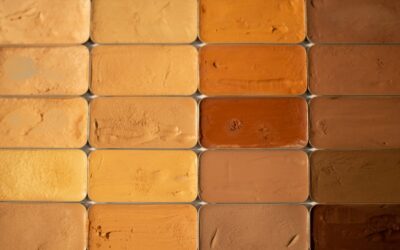
Frost is a light, soft off-white. It avoids the stark, almost blue-white of a pure white grout and the obvious warmth of a cream or beige, landing in a neutral middle ground that reads clean without feeling clinical. Because it’s slightly softer than bright white, it tends to hide minor staining and everyday grime better than a true white, which is part of why it’s so popular for floors and high-use areas. Always confirm the exact shade against a physical grout color sample and a board of your actual tile, since lighting and tile color shift how any grout appears.
Where Mapei Frost Works Best
Frost is a chameleon that pairs with a wide range of tile. It’s especially effective with:
- White and light tile: Creates a soft, seamless look with subtle definition between tiles.
- Marble-look and gray tile: Complements cool tones without clashing.
- Subway tile: A go-to neutral that gives clean lines without the harshness of bright white.
- Backsplashes and bathrooms: Light, fresh, and easy to live with in everyday spaces.
If you want grout lines to nearly vanish on light tile, Frost is a smart pick. If you want bold, graphic contrast, you’d reach for a darker color instead.
Choosing the Right Mapei Grout Type
Frost is available across different Mapei grout products, and the type you choose matters as much as the color. Mapei offers traditional cement-based sanded and unsanded grouts as well as premixed and high-performance options. As a general rule:
- Use sanded grout for wider joints, typically around an eighth of an inch or more.
- Use unsanded grout for narrow joints and delicate, scratch-prone tile like polished marble.
- Consider a stain-resistant or premixed grout for floors and wet areas where easy cleaning matters.
Always follow the specific product’s instructions for mixing, joint width, and cure time, since they vary between Mapei product lines.
Installation Tips for a Clean Result
Good technique keeps Frost looking crisp. Mix cement-based grout to the consistency the bag specifies and let it slake before applying. Work in small sections, pressing grout fully into the joints with a rubber float held at an angle, then strike off the excess. Wipe with a damp, well-wrung sponge, rinsing often and changing the water frequently. Don’t over-wet the joints, which can wash out color and weaken the grout. Once a light haze forms, buff it away with a clean dry cloth.
Maintain consistent technique across the whole job, including mixing the same way each batch, so the color cures evenly. Inconsistent water ratios are the most common cause of blotchy, uneven grout color.
Sealing Cement-Based Frost Grout
If you use a traditional cement-based version of Frost, sealing is essential. Cement grout is porous and absorbs water, stains, and grime, which is especially noticeable on a light color. After the grout has fully cured, usually a few days, apply a quality penetrating grout sealer following its directions. Reseal periodically, often once a year in wet or high-traffic areas, to keep the grout repelling stains. Premixed urethane or epoxy-style grouts are inherently more stain-resistant and may not require sealing, so check the product type before assuming.
Keeping Frost Grout Looking Fresh
Light grout shows dirt over time, but simple habits keep it bright:
- Wipe up spills promptly, especially in kitchens and bathrooms.
- Clean regularly with a pH-neutral cleaner rather than harsh acids or bleach that can erode grout.
- Scrub stubborn lines with a soft brush and a gentle grout cleaner.
- Reseal cement grout on schedule to maintain its stain resistance.
Avoid abrasive scouring that can wear the surface, and skip strong acids that attack cement grout.
Frost Compared to Other Light Grout Colors
Mapei offers several light, neutral grout colors, and it helps to know where Frost sits among them. Compared with a bright, pure white, Frost is softer and slightly warmer, which makes it more forgiving of everyday dirt and less likely to look stark against off-white or cream tile. Compared with a warm beige or biscuit tone, Frost stays more neutral and cooler, so it won’t clash with gray and marble-look tile the way a yellow-leaning beige can. This middle-ground positioning is exactly why so many installers reach for it as a safe default; it flatters both warm and cool tile palettes without committing strongly to either. Still, always lay out a sample, because a color that looks perfect on a chart can shift under your specific tile and lighting.
Common Mistakes to Avoid With Frost
- Inconsistent water ratios between batches, which leaves blotchy, uneven color.
- Over-sponging during cleanup, which washes pigment out and lightens the joints unevenly.
- Skipping the sealer on cement-based Frost, leaving a light color prone to staining.
- Cleaning with harsh acids or bleach that erode and discolor cement grout over time.
- Judging the color while the grout is still wet; cement grout dries lighter than it looks when freshly applied.
Why Homeowners Like Frost
The appeal comes down to versatility and forgiveness. Frost is neutral enough to work with nearly any light or cool-toned tile, soft enough to hide everyday wear better than bright white, and fresh enough to keep a space feeling clean and current. For homeowners who don’t want grout to be a statement, just a tidy, attractive frame for the tile, it hits the mark.
Mapei Frost Caulk for Corners, Tub Joints and Change of Plane
Mapei Frost caulk is the flexible partner to Frost grout: you use it in every joint where two surfaces meet at an angle or where movement is expected, and grout everywhere else. Mapei offers color-matched caulks in sanded and unsanded versions so the caulked joints blend with the grouted ones, so pick the texture that matches the grout you used.
Where caulk goes instead of grout
Cement grout is rigid, so it cracks in joints that flex as a house settles, heats up or takes on water. Tile industry practice calls for a flexible sealant at these spots instead:
- Inside corners of a shower or tub surround.
- Where wall tile meets a tub, shower pan or countertop.
- Where floor tile meets the wall or cabinets, behind the baseboard or shoe molding.
- Around windows, pipes and other penetrations in the tile.
- Movement joints laid out across large floors.
| Grout used | Matching caulk | Notes |
|---|---|---|
| Sanded Frost grout | Sanded Frost caulk | Grainy texture blends with wider joints |
| Unsanded Frost grout | Unsanded Frost caulk | Smooth bead for narrow wall joints |
| Premixed or high-performance Frost grout | Either type, by joint width | Check the grout maker’s guidance |
| Constantly wet areas | 100% silicone if offered in your color | Silicone resists water best but cannot be painted |
How to get a clean Frost caulk line
Let the grout cure before caulking and keep grout out of the change-of-plane joints during grouting, either by raking it out or leaving them open. Clean the joint, let it dry fully, then run painter’s tape on both sides for a crisp edge. Cut the nozzle small, push a steady bead into the joint, tool it with a wet finger or a caulk tool, and pull the tape right away. Respect the cure time printed on the tube before running the shower.
Color match and upkeep
Caulk and grout are different materials, so even a matched pair can look a shade apart, especially when one is wet. Compare a cured sample of caulk next to cured grout if the match matters. Caulk is a maintenance item: plan to cut out and replace it every few years in showers, or sooner if it pulls away, discolors or shows mildew. Clean it with the same pH-neutral cleaner used on the grout and avoid bleach and strong acids. Check Mapei’s grout and caulk color palette for which products are currently offered in Frost.
Final Thoughts
Mapei Frost grout is a dependable, soft off-white that flatters a huge range of tile while staying easy to live with. Confirm the shade against your actual tile, pick the right grout type for your joint width and location, install it with consistent technique, and seal cement-based versions to protect them. Treated well, Frost will keep your tile looking clean, neutral, and timeless for years.