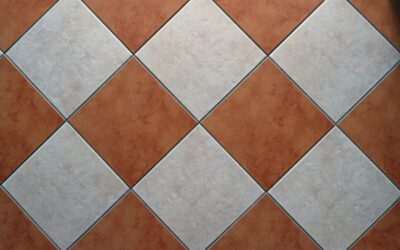
Mapei Light Almond grout, color #39 in Mapei’s palette, is one of those quietly versatile neutrals that works well when you can’t decide on a color. It’s a soft, warm off-white with a hint of cream and beige, so it reads clean without the stark, clinical edge that a bright white grout can bring to a room. That warmth is exactly why it plays well with such a wide range of tile.
Part of our Tile & Grout guide — explore the full guide →
If you’re weighing this color for a floor, backsplash, or shower, it helps to understand which Mapei grout lines Light Almond is available in, how to choose between sanded and unsanded, what tiles it flatters, and what sealing and mixing steps keep the finished color even. This guide walks through all of it so you can buy with confidence and get a joint that looks as good in a year as it does on install day.
What the Light Almond Color Looks Like
Light Almond lives in that useful middle ground between white and true beige. Picture a warm, creamy off-white, the color of blanched almonds, soft enough to feel gentle next to white tile but with enough warmth to bridge into tan, taupe, and wood tones. It’s not a color that announces itself, and that’s the point. It frames the tile rather than competing with it.
Compared to Mapei’s brighter whites, Light Almond hides everyday soil a little better because it isn’t stark, and compared to darker beiges and grays it keeps a space feeling light and open. On a floor especially, that forgiving quality matters, since a pure white grout shows every footprint while Light Almond stays looking clean longer. It’s the kind of neutral that works in both traditional and transitional rooms without feeling dated.
Which Mapei Grout Lines It Comes In
Mapei offers color #39 across most of its major grout lines, which gives you real flexibility to match the product to the job. Keracolor U is the unsanded cement grout for narrow joints, while Keracolor S is the sanded cement version for wider ones. Both are proven, budget-friendly workhorses that cover the majority of residential installs.
Stepping up, Ultracolor Plus FA is Mapei’s fast-setting, efflorescence-free, stain-resistant cement grout, and it’s the usual pick for strong color consistency and less fuss with sealing. For the ultimate in low maintenance, Flexcolor CQ is a ready-to-use, pre-mixed grout that comes in a bucket, resists stains, and never needs sealing. Choosing the line is really about how much maintenance you want to sign up for and whether you value the convenience of a pre-mixed product.
Sanded vs. Unsanded: Match It to the Joint
The single most important technical choice with cement grout is sanded versus unsanded, and it comes down to joint width. The rule of thumb is 1/8 inch. For grout joints 1/8 inch and wider, use a sanded grout like Keracolor S; the sand acts as an aggregate that gives the joint strength and keeps it from shrinking and cracking in a wider gap.
For joints narrower than 1/8 inch, reach for unsanded Keracolor U, which packs smoothly into tight lines without the sand grains getting in the way. Using sanded grout in a very tight joint is a struggle and can leave voids, while using unsanded grout in a wide joint risks cracking. Note that Ultracolor Plus FA is formulated to handle a wide joint range, from roughly 1/16 up to 3/4 inch, which is part of why it’s so popular. If you’re working with polished marble or a delicate glass tile that scratches easily, lean unsanded or a non-scratching formula regardless of joint width.
What Tile Colors It Pairs With
This is where Light Almond really earns its keep. It’s a natural partner for white and cream tile, softening the look just enough while still keeping the joints subtle and blended. Against beige, tan, and taupe field tile it disappears gracefully, which is often exactly what you want on a large floor where busy grout lines would be distracting.
It’s also a beautiful match for warm-toned natural materials. Travertine, with its creamy and honey tones, looks especially at home with Light Almond, as do many wood-look porcelain planks where you want the joint to read like a warm wood filler rather than a contrasting line. Even against gray tile it can work when the gray leans warm. About the only place to avoid it is a cool, stark, high-contrast modern scheme, where a crisp white or a charcoal makes a more deliberate statement.
Sealing Needs by Grout Type
How much sealing you’ll do depends entirely on which line you chose. Standard cement grouts, meaning Keracolor U and Keracolor S, are porous and should be sealed after they cure, typically after a few days, to resist staining and keep the Light Almond color from soaking up spills. In a kitchen or bath, plan on resealing periodically as part of routine maintenance.
The premium lines change that equation. Ultracolor Plus FA is far more stain resistant and, thanks to its polymer technology, generally doesn’t require sealing under normal residential conditions. Flexcolor CQ, being a pre-mixed resin-based grout, is stain resistant by design and never needs sealing at all. If the idea of sealing cement grout every year or two doesn’t appeal, that alone can justify stepping up to one of these products for a light-colored joint that you want to stay clean.
Coverage, Mixing, and Buying Tips
Estimate your grout needs by tile size, joint width, and joint depth; Mapei publishes coverage charts, and most retailers and pro desks will help you run the numbers so you buy enough in one purchase. That last point matters more than people expect. You’ll find Mapei grout at tile specialty shops, flooring dealers, and major home centers, both in bags for the cement products and buckets for Flexcolor CQ.
The biggest secret to a flawless Light Almond joint is color consistency, and it’s entirely in your hands. With cement grout, mix full bags whenever possible and measure your water precisely, because varying the water ratio from batch to batch changes the shade as it dries; too much water lightens and weakens the joint. Mix thoroughly, let it slake, and don’t add extra water to a stiffening batch. Buy all your grout from the same lot when you can, and for a large job mixing a full bag at a time is the surest way to keep every joint the exact same warm, even Light Almond from the first tile to the last.
Application and Curing Tips
Getting the color you picked also depends on clean technique at the trowel. Work the grout fully into the joints on a diagonal so you pack them solid with no voids, then strike them off and start your cleanup while the haze is still workable but the joints have firmed up. The most common way people ruin a light grout is over-washing, dragging a soaking wet sponge across fresh joints, which pulls pigment and cement out of the surface and leaves blotchy, faded, or pinholed lines once it dries.
Use a barely damp sponge, wring it out often, and rinse in clean water so you’re not smearing slurry back onto the tile. Let the joints firm before that final haze buff. Curing matters too: keep the room at a moderate temperature and don’t rush a sealer or foot traffic onto cement grout before it has cured for the time on the bag, since disturbing it early can leave uneven color. Ultracolor Plus FA cures fast and forgives a lot of this, which is another reason it’s a favorite for light colors where blotching would show.
Which Line Is Right for Your Project
To pull it together, match the grout line to how the space gets used. For a budget bathroom or a low-traffic backsplash with tight joints, Keracolor U unsanded in Light Almond is economical and looks great, as long as you commit to sealing it. For a wider-jointed floor or a spot that sees more wear, Keracolor S sanded gives you the durability, again with sealing on the maintenance list.
If you’d rather set it and forget it, spend a little more up front. Ultracolor Plus FA delivers dependable Light Almond color, fast cure, and stain resistance across a wide joint range without routine sealing, which makes it the default recommendation for kitchens and busy floors. And for the ultimate convenience, especially on a shower or backsplash, Flexcolor CQ comes ready to use in the bucket, never needs sealing, and holds its color beautifully. Whichever you choose, Light Almond’s warm, adaptable neutral is a color you’re unlikely to regret.
Prefer to explore on your own?
See how new flooring looks in your actual room in seconds — free, no signup.
Try the free Floor Studio →