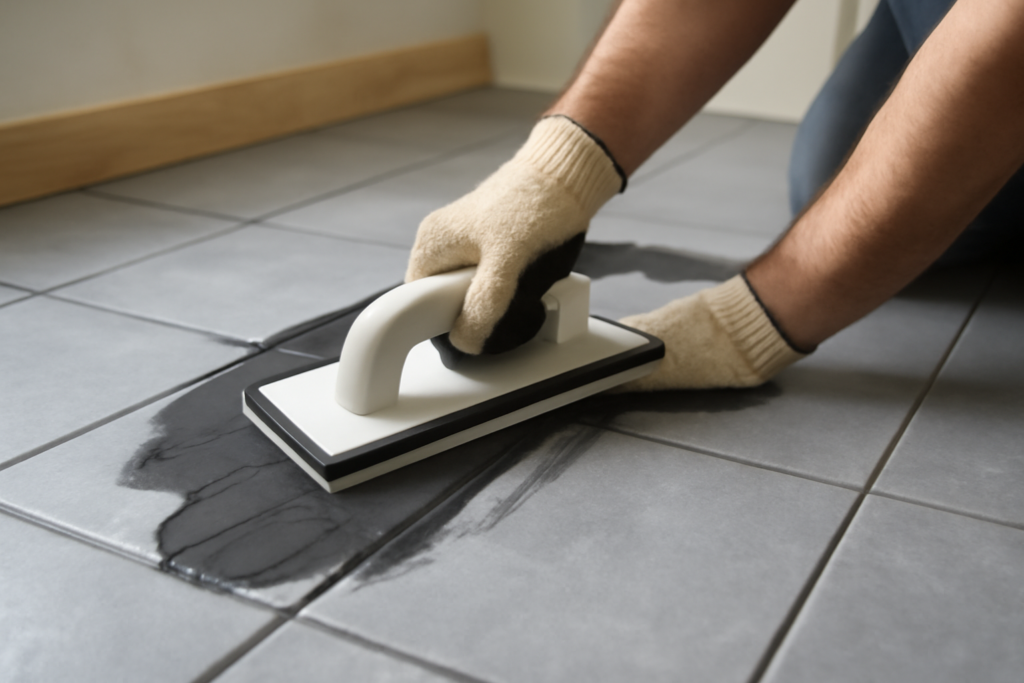
Mapei charcoal grout is one of the deep, dark grout colors in Mapei’s lineup, a near-black gray that has become a go-to choice for homeowners who want either dramatic contrast or a low-maintenance joint that hides everyday dirt. Mapei is a well-established maker of tile-setting materials, and charcoal is a popular dark shade within its color range, chosen for both its bold look and its forgiving nature on busy floors.
This guide explains what makes charcoal grout appealing, how it pairs with different tiles, where it works best, and the application and sealing details that help a dark grout look its best for the long haul.
What Charcoal Grout Looks Like
Charcoal is a deep, smoky gray that reads close to black in many lights but softens slightly compared to a true jet black. That depth is exactly what gives it design power. Against light tile, charcoal grout creates strong, graphic lines that define each tile and emphasize the layout. Against dark tile, it blends for a moody, seamless surface.
Because it sits at the dark end of the spectrum, charcoal hides coffee, dirt, and the gradual grime that turns light grout dingy. For a floor or a high-use backsplash, that means the joints keep looking clean far longer than a white or light gray would between deep cleanings. It is a practical color disguised as a stylish one.
How Charcoal Grout Pairs With Tile
The effect of charcoal grout depends heavily on the tile it frames, so think about the contrast you want before choosing it.
- White subway tile: The classic high-contrast combination. Charcoal grout turns a simple white wall into a bold, defined grid, popular in modern farmhouse and industrial kitchens and baths.
- Light gray or marble-look tile: Charcoal adds definition without the starkness of pure black, a softer but still graphic look.
- Dark tile: Charcoal blends in for a seamless, monolithic appearance with subtle joint definition.
- Wood-look and patterned tile: A dark grout can frame planks crisply, though some prefer a closer match to let the wood look read as continuous.
The bolder the contrast, the more your installation precision shows, since dark lines highlight any unevenness in spacing. Plan your layout carefully when pairing charcoal with light tile.
Where Charcoal Grout Works Best
The dirt-hiding quality makes charcoal especially well suited to areas that see heavy use and traffic. Kitchen floors and backsplashes benefit because spills and grease are far less visible. Entryways, mudrooms, and hallways stay looking clean despite tracked-in dirt. Bathroom floors and shower walls also pair well with charcoal, where it disguises soap residue and grime better than light shades.
It is worth noting one consideration for dark grout in wet areas: hard-water deposits and soap film can show as light haze on a very dark surface, so a quick wipe-down routine keeps shower joints looking sharp. Outside of that, charcoal’s forgiving nature is a genuine advantage almost everywhere tile goes.
Choosing the Right Grout Type
Mapei offers grout in different formulations, and the right type depends on your joint width and the demands of the space. The two broad categories matter more than the color:
- Cement-based grout: The traditional choice, available sanded for wider joints and unsanded for narrow ones. More affordable, but porous, so it benefits from sealing to resist stains and keep the color even.
- Premixed and high-performance grouts: Some Mapei products are designed for stain resistance and color consistency with little or no sealing required, which can be especially helpful with dark colors.
Always match the grout type to your joint width and follow the product’s instructions. For a precise comparison of options and current color availability, check Mapei’s own product information rather than relying on assumptions, since the lineup changes over time.
Application Tips for Dark Grout
Dark grouts reward careful technique because color consistency is more visible than with light shades. A few practices help:
- Mix thoroughly and consistently. With cement grout, use the same water ratio for every batch, since varying the water can cause the color to dry unevenly or appear blotchy.
- Work in manageable sections so the grout does not set before you clean the haze.
- Clean the haze carefully. Dark grout can leave a noticeable film on tile, so wipe with a damp sponge at the right time and use a grout haze remover if needed, following the directions.
- Test on a small area first, especially with porous or textured tile that can trap dark pigment.
Patience during cleanup is the difference between crisp dark joints and a tile face dulled by leftover haze.
Sealing and Long-Term Care
Whether you need to seal depends on the grout formulation. Cement-based charcoal grout is porous and benefits from a quality penetrating sealer once it has fully cured, which helps it resist stains and keeps the dark color from looking patchy. Many higher-performance and premixed grouts are formulated to resist stains without sealing, so check the product guidance.
For cleaning, use a pH-neutral cleaner rather than harsh acidic or bleach-based products, which can lighten or damage colored grout over time. Wipe up spills promptly, and in showers, rinse and squeegee to limit hard-water haze on the dark surface. With proper sealing and gentle cleaning, charcoal grout holds its rich, deep color and continues to hide everyday dirt for years.
Is Charcoal Grout Right for Your Project
Choose Mapei charcoal grout when you want either striking contrast against light tile or a moody, low-maintenance joint that disguises dirt in busy spaces. It is a particularly smart pick for kitchen floors, entryways, and high-traffic areas where light grout would quickly look dirty. Just commit to careful, consistent application and a sensible cleaning routine, and the deep charcoal tone delivers a polished, durable look that stays handsome far longer than lighter grout colors.
Before committing, it is worth grouting a small test board or a hidden section to confirm both the dried color and how cleanly it releases from your specific tile, since charcoal can dry a shade different from how it looks wet and can cling to textured or porous surfaces. Keep a record of the exact product and color you used and store any leftover grout properly, because future repairs are far easier when you can match the original rather than guessing. If you ever decide the contrast is too strong, remember that changing grout color later means either painstaking grout removal or a grout colorant product, so it pays to be confident in the choice up front. Chosen deliberately, charcoal grout is one of the most practical and good-looking dark-grout decisions a homeowner can make.