
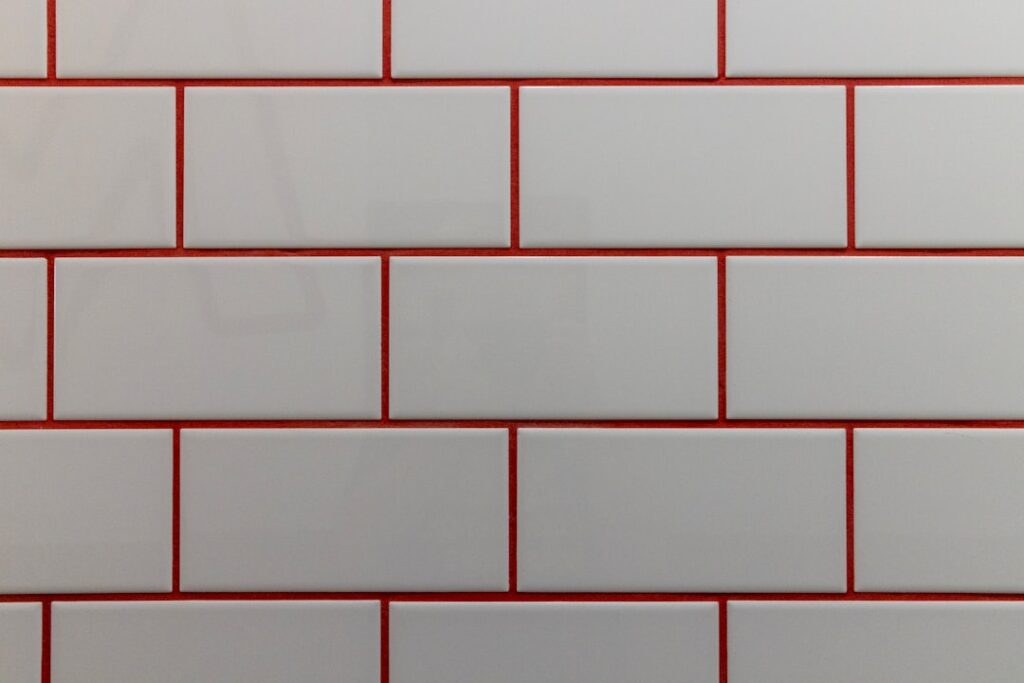
White grout shows every stain and turns dingy within a year; that frustration has driven a wave of homeowners toward the opposite end of the spectrum. Charcoal grout, a deep near-black gray, defines each tile with bold, graphic grout lines while hiding the dirt and grime that ruin lighter colors. It is the secret behind countless designer kitchens and showers where the tile pattern reads crisp and intentional. Used well, dark grout looks sophisticated and stays looking that way; used carelessly, it can streak or fade. Here is how to get it right.
Part of our Tile & Grout guide — explore the full guide →
- Why Go Dark With Grout?
- Best Tile Pairings for Charcoal Grout
- Cement vs. Epoxy for Dark Grout
- The Color-Consistency Challenge
- Watch for Efflorescence and Fading
- Where Charcoal Grout Works Best
- Sealing and Cleaning
- Common Mistakes to Avoid
- How Charcoal Compares to Other Dark Grouts
- Estimating and Buying Charcoal Grout
- Is Charcoal Grout Right for You?
Why Go Dark With Grout?
Grout color is one of the most impactful and most overlooked decisions in a tile project. The difference between white and charcoal grout under the same tile is dramatic. Dark grout creates strong contrast that outlines each tile, emphasizing the pattern and giving the installation a tailored, graphic quality. Just as importantly, it hides the dirt, soap scum, and mildew staining that make white grout look perpetually dirty. For high-traffic and high-splatter areas, that practical advantage alone wins many people over.
Best Tile Pairings for Charcoal Grout
The drama of dark grout depends heavily on the tile it surrounds.
- White subway tile — The boldest, most popular pairing. Charcoal grout turns a simple white wall into a graphic, modern statement.
- White hexagon and penny tile — Dark grout outlines the geometry beautifully on floors.
- Light gray and marble-look tile — Adds depth and definition without the stark black-on-white contrast.
- Dark tile — Pairing charcoal grout with charcoal or black tile creates a seamless, monolithic look.
- Patterned cement tile — Dark grout frames each piece and intensifies the pattern.
The greater the contrast between tile and grout, the bolder the result. If you want subtle definition, pair charcoal grout with a medium-gray tile instead of bright white.
Cement vs. Epoxy for Dark Grout
With dark colors, the grout chemistry matters even more than usual because of how cement grout cures and ages.
Cement Grout
Affordable and widely available in charcoal shades, but it has two dark-color pitfalls. It can cure unevenly and look blotchy if mixed or wiped inconsistently, and it is prone to efflorescence, a white mineral haze that is far more visible against dark grout. It also needs sealing to hold its color and resist fading.
Epoxy Grout
The stronger choice for charcoal in wet and high-use areas. Epoxy holds its color consistently, never effloresces, resists stains, and needs no sealing. It costs more and sets quickly, but for dark grout in a shower or busy kitchen, the consistent color and low maintenance are well worth it.
The Color-Consistency Challenge
Dark cement grout is less forgiving than light grout, and uneven color is the most common complaint. The cure: control your water. Every batch must use the exact same water ratio, because more water lightens the cured color and leads to patchy shading. Let the grout slake as the manufacturer directs, remix, and apply consistently. Wipe with a clean, well-wrung sponge and rinse it often, since over-wetting pulls pigment out of the joints. Grout a small test area, let it dry fully, and check the cured color in the room’s actual light before committing to the whole installation.
Watch for Efflorescence and Fading
Two issues affect dark cement grout specifically. Efflorescence is a chalky white residue from minerals migrating to the surface as the grout dries; it is most visible against dark colors and is aggravated by excess water during mixing or cleanup. Using the correct water ratio and not over-wetting during cleanup minimizes it. Fading can occur over time, especially with sun exposure and harsh cleaners. Sealing cement grout and avoiding acidic or bleach-based cleaners helps charcoal hold its depth. Epoxy grout sidesteps both problems.
Where Charcoal Grout Works Best
Dark grout suits rooms where contrast and easy upkeep both matter.
- Kitchen backsplashes — Hides grease and food splatter while looking sharp.
- Bathroom floors and showers — Masks soap scum and mildew staining better than any light color.
- Entryways and mudrooms — Disguises tracked-in dirt in heavy-traffic zones.
- Feature walls — Turns a simple tile into a bold focal point.
Sealing and Cleaning
If you choose cement grout, seal it once cured, typically after a few days, and reseal every one to two years in wet areas to preserve the color and block stains. For routine cleaning, use a pH-neutral cleaner and a soft brush; steer clear of acidic cleaners and bleach, which erode cement grout and can lighten charcoal over time. Wipe down shower walls after use to discourage mineral buildup. Epoxy grout needs no sealing and cleans up with mild cleaner, which is part of its appeal in dark shades.
Common Mistakes to Avoid
Three errors cause most charcoal-grout regrets. First, inconsistent mixing that leaves the joints blotchy. Second, over-wetting during cleanup, which both pulls out pigment and encourages efflorescence. Third, judging the color from the wet sample; charcoal always looks darker when wet, so evaluate the cured result in real lighting. Avoid these, and dark grout delivers exactly the crisp, graphic look you are after.
How Charcoal Compares to Other Dark Grouts
Not all dark grouts are the same, and the shade you pick changes the mood. True black grout delivers the most extreme contrast and a bold, graphic grid, but it can read heavy and shows lint and dust more readily. Charcoal, a very dark gray, gives nearly the same dirt-hiding power and crisp definition with a slightly softer, more sophisticated feel that suits a wider range of rooms. Dark espresso and brown grouts warm up earth-toned tile but are less versatile. If you love the drama of black but worry it will overwhelm the space, charcoal is the safer middle ground, bold enough to make a statement, restrained enough to live with for years.
Estimating and Buying Charcoal Grout
Buy all your dark grout at once and from the same dye lot, because color consistency is harder to achieve with deep shades and a mid-job reorder may not match. Coverage depends on tile size, joint width, and tile thickness; small tiles and wide joints use far more grout than large tiles with thin joints, so consult the coverage chart on the bag or bucket and match it to your specific tile. Round up and keep an extra unit on hand. If you choose epoxy for its color stability in wet areas, plan your batches around its short working time, mixing only what you can apply before it sets.
Is Charcoal Grout Right for You?
If you want grout that hides dirt, defines your tile with bold contrast, and brings a modern, designer edge to a space, charcoal grout is a striking choice. Pair it with white subway tile for maximum impact or with gray tile for subtle depth, and strongly consider epoxy in wet areas to sidestep efflorescence and fading. Control your mixing, seal cement grout, and clean gently, and those dark grout lines will look as sharp years from now as the day they cured.


