A single wall of bold pattern can do more for a room than a whole gallon of paint. That is the appeal of statement tile — tile chosen not to blend in but to become the focal point of a space. Whether it is a graphic encaustic floor in an entryway, a deep emerald backsplash behind the range, or an oversized marble-look slab on a shower wall, the right statement tile sets the tone for everything around it. This guide covers where to use it, how to pair it without overwhelming a room, which grout and layout choices matter, and what it actually costs in USD.
What Counts as a Statement Tile
The category is broad, but the intent is consistent: the tile is meant to be seen and remembered. A few families dominate.
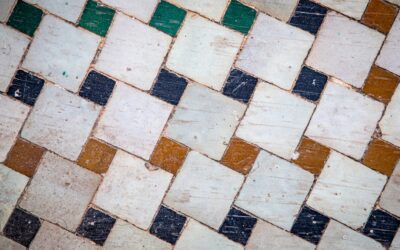
- Encaustic and patterned cement tile — intricate geometric or floral motifs, often in two or three contrasting colors.
- Bold solid colors — saturated glazed tiles in cobalt, terracotta, forest green, or matte black.
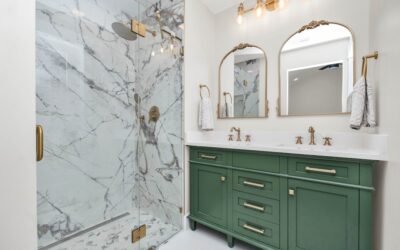
- Large-format slabs — porcelain panels up to 48 by 110 inches that mimic dramatic marble veining with minimal grout lines.
- Three-dimensional and sculpted tile — fluted, scalloped, or zellige surfaces that catch light and throw shadow.
- Mosaics and hand-glazed zellige — irregular, artisanal tiles whose variation is the whole point.
What unites them is presence. You are buying impact, not neutrality.
Where to Use Statement Tile
Placement decides whether a bold tile reads as confident or chaotic. The safest, highest-impact locations contain the drama within a defined zone.
Strong candidates include:
- Entryways and mudrooms — a patterned floor here greets guests and shrugs off dirt.
- Kitchen backsplashes — the strip between counter and cabinets is a natural frame for color or pattern.
- Powder rooms — small, low-traffic spaces where you can take a risk you might not take in a primary bath.
- Fireplace surrounds and feature walls — a vertical anchor that draws the eye.
- Shower niches and accent bands — a small dose of bold tile inside an otherwise neutral wet area.
For floors in busy spaces, lean toward porcelain or well-sealed cement; for walls, you have far more freedom to use delicate or handmade tiles.
How to Pair It Without Overwhelming the Room
The golden rule is simple: let the statement tile be the star and keep everything else supporting. If the tile is loud, the surrounding finishes should be quiet. A vivid encaustic floor pairs beautifully with plain white walls, simple cabinetry, and minimal hardware. Try to compete with it and the room turns busy fast.
Pull one color from the tile and echo it elsewhere in a restrained way — a painted vanity, a rug, a stool — to tie the scheme together. Limit yourself to one true statement surface per room. Two competing focal points cancel each other out, and the eye has nowhere to rest.
Grout: The Detail That Makes or Breaks It
Grout color changes a tile’s entire personality, and homeowners routinely underestimate it. A matching grout makes the surface read as a seamless field; a contrasting grout outlines each tile and emphasizes the pattern or shape.
Keep these principles in mind:
- For busy patterned tile, choose a grout that blends so the pattern stays the focus.
- For simple shapes like subway or hexagon, dark contrasting grout can become the statement on its own.
- On floors and wet areas, use a stain-resistant epoxy or a high-quality sealed cement grout to keep light colors from yellowing.
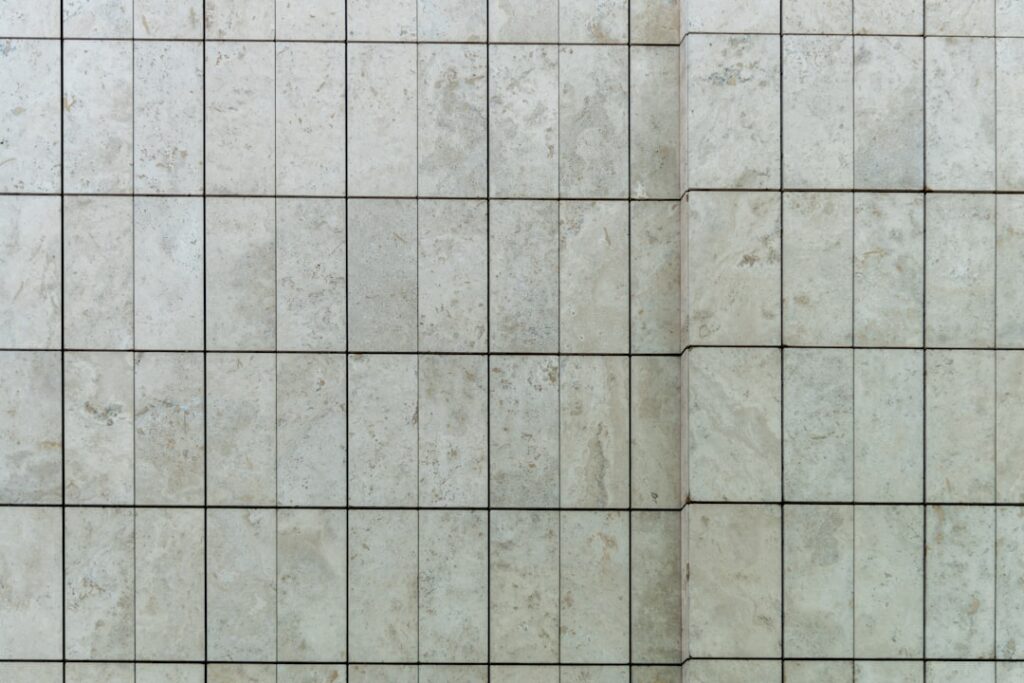
- Keep grout lines tight on large-format slabs — often 1/16 to 1/8 inch — to preserve the seamless look.
Always test grout color against a sample tile before the installer commits, because it dries lighter than it looks wet.
Layout and Orientation
The same tile can feel completely different depending on how it is set. A herringbone or chevron layout adds movement and energy; a straight stack feels modern and calm; a classic running bond reads timeless. With directional patterns, decide early whether the motif should run with the room or rotate for emphasis.
For patterned cement tile, ask your installer to dry-lay the full design on the floor before setting anything. Pattern tiles often need careful sequencing, and a dry layout catches color-balance problems while they are still fixable.
What Statement Tile Costs
Price spans a wide range because the category does. Expect rough material costs in these bands:
- Patterned porcelain (pattern printed on durable porcelain): $5 to $15 per sq ft.
- Authentic cement encaustic tile: $10 to $30 per sq ft, plus sealing.
- Handmade zellige: $15 to $50 per sq ft, with high waste from irregular sizing.
- Large-format porcelain slabs: $10 to $30 per sq ft for material, more for premium marble looks.
Installation adds roughly $8 to $20 per sq ft, and specialty work — large slabs, intricate patterns, or shower waterproofing — sits at the top of that range. Buy 15 to 20 percent extra for cuts, waste, and future repairs, especially with handmade or discontinued runs.
Care and Longevity
Glazed porcelain statement tile is nearly maintenance-free: sweep and damp-mop with a pH-neutral cleaner. Cement and natural-stone tiles are more demanding — they must be sealed on installation and resealed every one to three years, and you should avoid acidic or harsh cleaners that etch the surface. Treated well, a quality statement tile installation lasts decades, which is exactly why it pays to choose a design you will still love long after the trend that inspired it has passed.
Common Mistakes to Avoid
Most statement-tile regrets come from a handful of predictable errors, and they are easy to dodge once you know them. The biggest is choosing pattern based purely on a showroom display without seeing it across a real wall or floor in your own light. The second is forgetting that a strong tile needs quiet company; pairing a bold floor with busy wallpaper and ornate cabinetry creates visual chaos that no amount of styling can rescue.
Watch out for these traps:
- Ordering too little material on a handmade or discontinued line, leaving no margin for cuts or future repairs.
- Choosing a trend-driven pattern you may tire of, in a permanent, expensive-to-replace location.
- Ignoring slip resistance when putting glossy or polished statement tile on a floor.
- Skipping grout color testing, then being surprised when the cured grout shifts the whole look.
Picture the installation five years out, not just on opening day, and you will make a choice you can live with.
The Bottom Line
A well-chosen statement tile delivers the highest design return of almost any single material in a home. The keys are restraint and placement: one bold surface per room, quiet finishes around it, the right grout, and a layout planned before the first tile is set. Match the material to the location — durable porcelain for floors, freedom for walls — budget for waste, and you will get a focal point that feels intentional rather than overwhelming.
Prefer to explore on your own?
See how new flooring looks in your actual room in seconds — free, no signup.
Try the free Floor Studio →