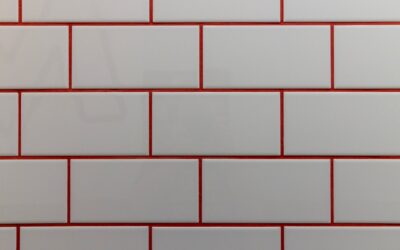
White subway tile is the little black dress of home design: classic, affordable, and impossible to get wrong. Originally used in New York City subway stations in the early 1900s, the simple white rectangle has become the default backsplash and bathroom wall tile in millions of American homes. Its enduring appeal lies in its versatility, since the look changes dramatically depending on size, layout, and grout color. This guide covers everything you need to choose and install white subway tile with confidence.
Part of our Tile & Grout guide — explore the full guide →
Why White Subway Tile Endures
Trends come and go, but white subway tile keeps showing up because it works almost everywhere. It is bright and clean, reflects light to make small rooms feel larger, and pairs with any cabinet color or countertop. It is also one of the most budget-friendly tiles available, which makes it a safe, cost-effective choice for both quick refreshes and full remodels. Because it is so universally liked, it is also a smart pick for resale.
Common Sizes
The classic subway tile is 3×6 inches, but the format has expanded into many proportions, each with a slightly different feel.
- 3×6 inches: The traditional size, instantly recognizable and timeless.
- 2×4 inches: A smaller, more detailed look that suits vintage and cottage styles.
- 4×12 and larger: Longer, modern proportions with fewer grout lines for a sleeker appearance.
- Square-ish formats: Some elongated tiles blur the line between subway and plank for a contemporary twist.
Larger formats create a cleaner, more modern look with less grout to clean, while smaller tiles feel more classic and detailed.
Layout Patterns
The same white tile transforms with the layout you choose. This is where you express style.
Classic Brick Offset
The traditional 50 percent offset, where each row shifts halfway, is the timeless default and a safe choice for any space.
Stacked (Straight Set)
Tiles aligned in a clean grid read crisp and modern, emphasizing straight lines. It works beautifully in contemporary kitchens.
Herringbone
Tiles set at angles create a dynamic, upscale pattern that adds movement and interest while keeping the neutral white palette.
Vertical Stack or Offset
Running tiles vertically draws the eye up, making ceilings feel taller and adding a fresh take on the familiar tile.
Choosing the Right Grout Color
Grout is the secret weapon of white subway tile. The same tile looks completely different depending on the grout you pair with it.
- White or light gray grout: Creates a soft, seamless, airy look where the tile reads as one bright surface.
- Medium to dark gray grout: Defines each tile and highlights the pattern with subtle contrast, a popular modern choice.
- Black or charcoal grout: Makes a bold, graphic statement that emphasizes the brick layout dramatically.
Keep in mind that lighter grout shows dirt more readily, especially on floors or busy backsplashes, while darker grout hides grime but makes a stronger visual statement.
Finish Options
White subway tile comes in glossy and matte finishes. Glossy is the traditional choice; it reflects light, brightens the room, and wipes clean easily, which is why it dominates backsplashes. Matte tile reads softer and more contemporary and hides water spots better, though it can be slightly harder to keep grease-free in a kitchen. Beveled-edge subway tile adds dimension and a more traditional look, while flat, clean-edged tiles feel modern.
Cost and Installation
White subway tile is one of the most economical options, with basic ceramic field tile often running just $2 to $7 per square foot. Premium handmade or specialty tiles cost more. Installation typically adds $7 to $14 per square foot, with intricate patterns like herringbone costing more because they require additional cuts and labor. A standard kitchen backsplash of around 30 square feet is therefore one of the more affordable tile projects you can take on.
Where White Subway Tile Works
Its versatility means white subway tile fits nearly anywhere. It is the go-to kitchen backsplash, a staple for shower and tub surrounds, a clean choice for bathroom walls, and a bright accent in laundry and mudrooms. Because it is neutral, it lets bolder elements like colorful cabinets, patterned floors, or statement fixtures take center stage.
Care and Maintenance
Glazed white subway tile is easy to maintain with a damp cloth and mild cleaner. The grout is the part that needs attention: seal cement-based grout after installation and reseal periodically in wet areas, and clean light grout regularly to keep it bright. Avoid abrasive pads on glossy tile, which can dull the surface, and wipe up grease and splatter promptly in the kitchen.
Designing With White Subway Tile
Because the tile itself is neutral, your design choices come through in the details. A beveled edge and a soft white grout create a traditional, slightly dimensional backsplash that suits farmhouse and classic kitchens. A flat tile with dark grout in a stacked layout reads crisp and contemporary. Carrying the tile all the way to the ceiling behind a range or up a full shower wall makes a small room feel taller and more custom than stopping at a standard height. Pairing white subway tile with a contrasting accent, such as a single row of patterned or colored tile, adds personality without abandoning the timeless base.
Common Mistakes to Avoid
The most frequent regret is choosing a grout color without considering upkeep; bright white grout looks beautiful but shows dirt quickly, especially on a busy kitchen backsplash or a floor. Many homeowners also underestimate how much labor a complex layout like herringbone adds, so confirm pricing before committing to an intricate pattern. Skipping a layout plan can leave awkward sliver cuts at the edges, so dry-lay or map the design first. Finally, order extra tile from the same lot to ensure any future repairs match the original.
Final Thoughts
White subway tile remains a timeless, budget-friendly choice precisely because it is so adaptable. By varying the tile size, layout pattern, grout color, and finish, you can take the same humble rectangle from classic farmhouse to sleek modern. Plan your grout color carefully, choose a layout that fits your style, and keep the grout sealed, and white subway tile will keep your kitchen or bath looking clean and current for years.
Prefer to explore on your own?
See how new flooring looks in your actual room in seconds — free, no signup.
Try the free Floor Studio →