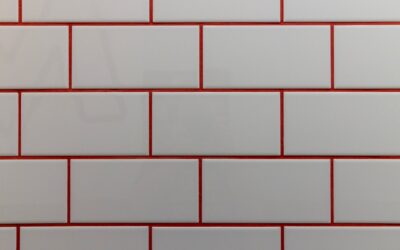
Some design choices never go out of style, and the humble rectangular wall tile is one of them. Porcelain subway tile takes the classic, century-old subway shape and makes it tougher, denser, and more water-resistant than standard ceramic, giving you a timeless look with serious durability. Named for the glazed tiles that lined early subway stations, this format has stayed popular for decades because it is clean, versatile, and works in almost any style of home. Here is everything you need to know before choosing it.
Part of our Tile & Grout guide — explore the full guide →
What Sets Porcelain Apart
Subway tile comes in both ceramic and porcelain, and the difference matters. Porcelain is made from a finer, denser clay fired at higher temperatures, which makes it harder, less porous, and more water-resistant than standard ceramic. That density means it absorbs very little water, resists stains and moisture better, and holds up to heavy use. Many porcelain tiles are also through-body or have color carried deeper into the tile, so chips are less noticeable. For wet areas and high-traffic spots, porcelain’s strength is a real advantage over ordinary ceramic.
Classic Sizes and Shapes
The traditional subway tile is a 3-by-6-inch rectangle, but the format has expanded enormously. Common options include:
- 3×6 inches: The original, classic proportion that reads as timeless.
- 4×8, 4×12, and 4×16 inches: Larger and more elongated formats that feel modern and reduce grout lines.
- 2×4 and mini sizes: Smaller scales for a more detailed, vintage look.
- Square-edge and beveled-edge versions, where a beveled edge adds dimension and a soft, traditional shadow line.
Finishes range from glossy, which is bright and reflective, to matte and even textured surfaces. The shape’s clean lines make it endlessly adaptable.
Layout Patterns That Transform the Look
One of the joys of subway tile is how a simple rectangle changes character based on how you lay it. Popular patterns include:
- Classic offset (running bond): Each row shifted halfway, the traditional and most recognizable look.
- One-third offset: A subtler stagger that avoids long, repeating grout lines and feels current.
- Stacked (straight set): Tiles aligned in a grid for a crisp, modern, minimalist effect.
- Herringbone: Tiles set at angles in a zigzag, adding energy and a designer touch.
- Vertical stack or vertical offset: Running the tiles upright to draw the eye up and add height.
The same tile can read as vintage, contemporary, or high-end purely based on the pattern you choose, which makes it a budget-friendly way to get a custom look.
Where to Use It
Porcelain subway tile is at home almost anywhere, but it shines in these spots:
- Kitchen backsplashes, where it cleans easily and resists grease and splashes.
- Bathroom walls and shower surrounds, taking full advantage of porcelain’s water resistance.
- Tub surrounds and wet rooms, where durability and easy cleaning matter.
- Accent walls, laundry rooms, and mudrooms that need a tough, wipeable surface.
While most subway tile goes on walls, some porcelain tiles are rated for floors; if you want it underfoot, confirm the specific tile carries an appropriate floor and slip rating.
Choosing Grout
Grout is half the design decision with subway tile. A matching grout creates a smooth, subtle field where the tile shape recedes, while a contrasting grout, such as dark grout with white tile, emphasizes each tile and the pattern for a bold, graphic look. Light grout shows dirt faster, especially in kitchens and showers, so many homeowners choose a mid-tone or a stain-resistant epoxy grout in wet, hard-working areas. Whatever color you pick, seal cement-based grout or use epoxy to keep the lines clean over time.
What It Costs
Subway tile is one of the better values in tile. Basic porcelain subway tile often falls in an affordable per-square-foot range, with specialty finishes, beveled edges, and designer lines costing more. Installation labor depends heavily on the pattern: a straightforward running bond is quicker and cheaper to install, while herringbone and intricate layouts require more cuts and time and therefore cost more. Budget about 10 percent extra material for cuts and future repairs, and remember that a more complex pattern is where professional installation really pays off.
Porcelain vs. Ceramic Subway Tile
Since both materials wear the subway shape, it is worth knowing when each makes sense. Porcelain’s denser body and very low water absorption make it the stronger pick for showers, tub surrounds, and any heavy-use or potentially wet area, and it is the option to specify if you want the tile on a floor. Standard ceramic subway tile is typically a bit cheaper and slightly easier to cut, and it performs perfectly well for many backsplashes and lightly used walls.
The practical takeaway: spend on porcelain where moisture and durability matter most, and ceramic is a reasonable economy choice for low-stress applications. Either way, the design payoff comes from the size, finish, layout, and grout you choose, so those decisions deserve as much attention as the material itself. For most homeowners who want one tile that handles kitchens, baths, and showers alike, porcelain is the safer all-around investment.
Installation and Care
Installation follows standard tile practice: a clean, flat, sound substrate, the correct thinset, even coverage with the right notched trowel, consistent spacers, and full curing before grouting. Beveled and glossy tiles show lippage and uneven spacing easily, so precision matters. For showers and wet walls, proper waterproofing behind the tile is essential, and that is an area where a skilled installer protects you from costly water damage down the road. Once installed, porcelain subway tile is wonderfully low-maintenance. Wipe it with a pH-neutral cleaner, keep the grout clean and sealed, and avoid harsh abrasives that could dull a glossy glaze.
Is It Right for Your Home?
For a finish that is durable, water-resistant, affordable, and genuinely timeless, porcelain subway tile is tough to beat. Its density makes it ideal for kitchens, bathrooms, and showers, while the wide range of sizes, finishes, and layout patterns lets you tailor it from classic to cutting-edge. Choose your tile size and a layout that suits your style, pick a grout color and type that fit the room’s workload, and lean on a professional for waterproofing and complex patterns. The result is a clean, lasting surface that will look just as good in twenty years as it does the day it goes up.
Prefer to explore on your own?
See how new flooring looks in your actual room in seconds — free, no signup.
Try the free Floor Studio →