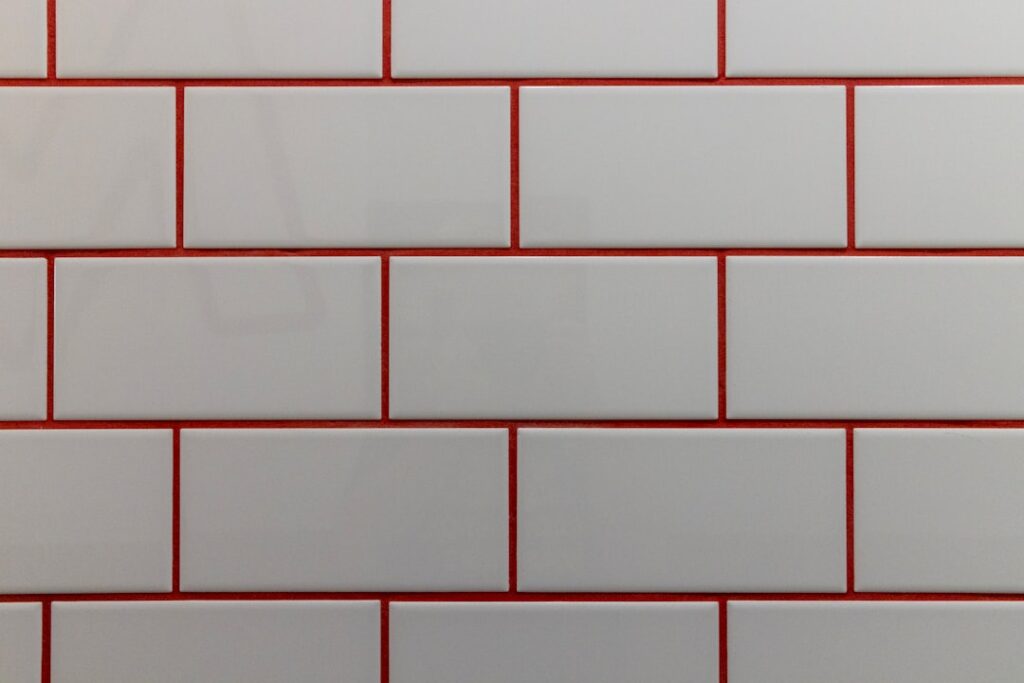
The classic subway tile has grown up, and large subway tile is leading the way toward a cleaner, more contemporary version of a beloved standard. By stretching the familiar rectangle to bigger dimensions, these tiles reduce grout lines, simplify walls, and bring a fresh, modern feel to kitchens and bathrooms. This guide covers the sizes, layouts, grout choices, costs, and care that make large subway tile a smart, stylish upgrade.
Part of our Tile & Grout guide — explore the full guide →
What Makes a Subway Tile “Large”
The traditional subway tile is a 3 by 6 inch rectangle, named for the tiled walls of early subway stations. Large subway tile keeps that elongated rectangular proportion but scales it up significantly, into sizes like 4 by 12, 4 by 16, or even bigger formats.
The bigger footprint changes the look dramatically. Where small subway tiles read as busy and traditional with many grout lines, larger versions feel sleek and minimal because there is more tile surface and far less grout breaking it up. The result is a wall that feels more expansive and modern.
Why Choose Large Subway Tile
Beyond the updated look, the larger format offers practical benefits that appeal to busy homeowners. Fewer tiles and fewer grout lines mean a cleaner appearance and less maintenance over time.
- Fewer grout lines mean less grout to clean and fewer places for grime to collect.
- Larger tiles can make a small room feel bigger and more open.
- The format reads as modern while keeping the timeless subway shape.
- Installation can go faster since there are fewer individual pieces to set.
For anyone who loves the subway look but wants something fresher and lower-maintenance, the large format hits a satisfying middle ground between classic and contemporary.
Layout Patterns to Consider
Even with a single tile size, the layout you choose changes the entire personality of the wall. Large subway tiles work with several patterns, each with a different feel.
- Stacked, straight set emphasizes clean lines and a crisp, modern grid.
- Classic offset, half brick keeps a traditional feel while looking updated at a larger scale.
- Third offset staggers tiles by a third, avoiding the lippage that big tiles can show in a half offset.
- Vertical stack draws the eye upward and adds a contemporary twist.
With larger tiles, a one-third offset is often recommended over a half offset, because long tiles set in a half-brick pattern can have slightly uneven edges that create visible lippage.
The Role of Grout
Grout has an outsized effect on how subway tile looks, and the choice is as important as the tile itself. Color and width both shape the final result.
A matching grout makes the wall read as one smooth, continuous surface, perfect for a minimal, modern look. A contrasting grout, such as dark gray with white tile, highlights the rectangular pattern and gives a more graphic, defined appearance. Thin grout lines reinforce the clean, large-format feel, while wider lines emphasize each tile. Decide whether you want the tiles to disappear into a field or stand out as a pattern, then pick grout to match that goal.
Cost Expectations
Tile pricing depends on material, finish, and brand, so use these as general estimates rather than quotes. Ceramic large subway tile often runs from roughly $2 to $10 per square foot, porcelain from about $3 to $15, and specialty or handmade finishes higher still.
- Professional installation adds a separate per-square-foot labor cost.
- Large-format tile may require extra care and leveling, which can affect labor.
- Quality adhesive, grout, and trim pieces add to the total project cost.
Buy about 10 percent extra to cover cuts and future repairs, keeping leftovers from the same dye lot since color can vary slightly between production batches.
Installation Considerations
Large-format tiles are rewarding but demand a flat, well-prepared surface, because their size reveals any unevenness in the wall behind them. A little extra prep prevents lippage and a wavy appearance.
- Make sure the substrate is flat, clean, and properly prepared before setting tile.
- Use a high-quality, large-format-rated thinset and back-butter tiles for full coverage.
- Consider tile leveling clips to keep edges flush and minimize lippage.
- Plan cuts and layout carefully so partial tiles fall in less visible areas.
Because large tiles are less forgiving than small ones, many homeowners hire a professional installer to ensure a flat, even result that looks polished.
Where Large Subway Tile Works Best
Large subway tile suits many spaces, but it especially excels where you want a clean, expansive surface. As a kitchen backsplash, it creates a smooth, modern field with minimal grout that wipes clean easily behind a busy cooktop. In showers and bathrooms, the larger format means fewer grout lines to scrub and a more contemporary, open feel.
It also works well on accent walls, fireplace surrounds, and laundry rooms, anywhere a sleek tiled surface adds polish. Because the tiles read as modern, they pair naturally with handleless cabinets, minimalist fixtures, and uncluttered design. In small rooms, the larger scale and reduced grout can make the space feel bigger than busy small-format tile would.
Color and Finish Choices
While classic white remains the most popular choice, large subway tile comes in a wide palette and several finishes that change the mood entirely. Glossy white stays bright, timeless, and easy to clean, while matte finishes feel softer and more contemporary. Soft grays, greens, blues, and warm earth tones let you add color while keeping the clean subway shape.
Texture matters too. A subtle handmade or wavy glaze adds artisanal depth and catches light, while a perfectly flat tile reads sleek and uniform. Consider the lighting in your room and the overall style you want before committing, and view full samples in place since both color and sheen shift under different light.
Cleaning and Maintenance
One of the joys of large subway tile is how easy it is to keep clean, thanks to all that smooth surface and minimal grout. Routine care keeps it looking new.
- Wipe tile with a soft cloth and mild cleaner; avoid harsh abrasives that can dull the finish.
- Seal cement-based grout after installation and reseal periodically to resist stains and moisture.
- Clean grout lines occasionally with a soft brush and gentle cleaner to prevent discoloration.
- In showers and behind sinks, keep the surface dry and ventilated to limit mildew.
With proper installation and simple upkeep, large subway tile delivers a clean, modern, and timeless surface that elevates any kitchen or bathroom and stays looking sharp for many years.
Prefer to explore on your own?
See how new flooring looks in your actual room in seconds — free, no signup.
Try the free Floor Studio →