The traditional rectangular subway tile has been a design staple for over a century, but a fresh alternative has been quietly winning over designers and homeowners looking for something a little different. Square subway tile takes the clean, timeless appeal of the classic and reshapes it into a crisp square, delivering a look that feels both familiar and contemporary. Whether you are planning a kitchen backsplash, a shower surround, or a statement wall, this versatile tile offers endless design possibilities. In this guide we will explore layouts, sizes, colors, and creative ways to make square subway tile the standout feature of your space.
Part of our Tile & Grout guide — explore the full guide →
What Is Square Subway Tile?
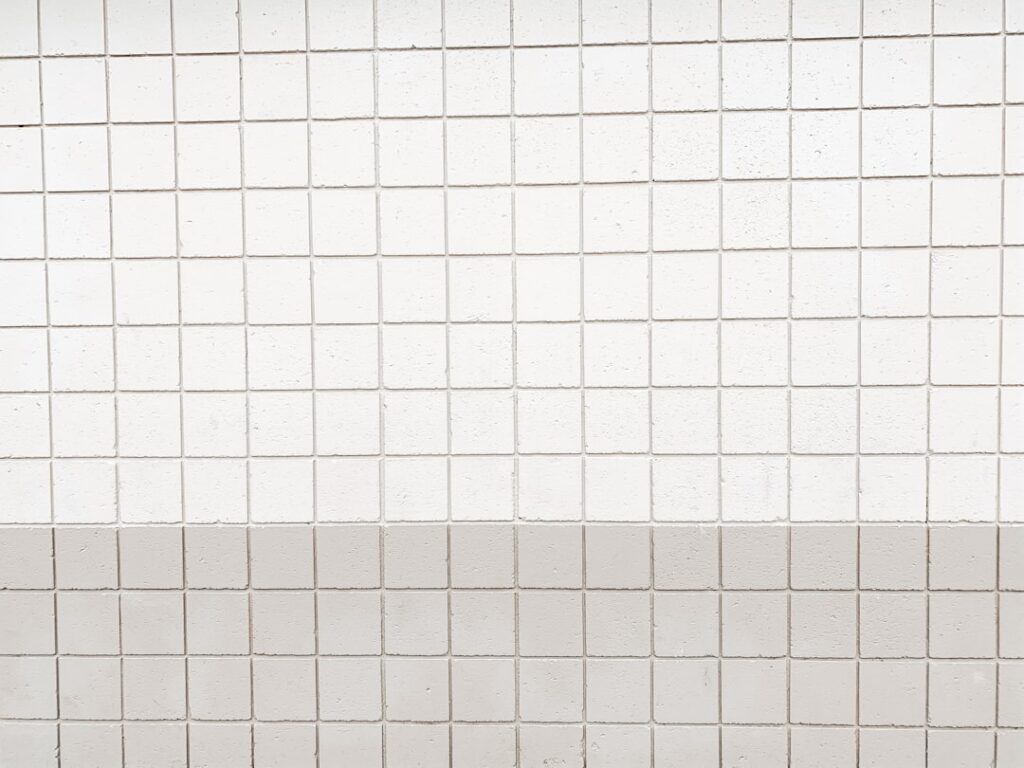
Traditional subway tile refers to the glossy 3×6 inch rectangle that first lined New York City subway stations in the early 1900s. Square subway tile keeps the same clean lines, glazed finish, and understated elegance but comes in a square format, most commonly sizes like 4×4, 6×6, or smaller squares. It bridges the gap between the retro grid of vintage 4×4 wall tile and the modern minimalism people love, offering a shape that feels timeless yet current. The square proportion changes the rhythm of a wall, creating a more balanced, geometric grid rather than the horizontal flow of rectangles, and it pairs beautifully with both traditional and contemporary interiors.
Why Choose Square Over Rectangular?
The square format brings its own distinct advantages and character:
- Balanced grid: Squares create a calm, symmetrical pattern that feels orderly and clean.
- Fresh yet familiar: It reads as a modern update on a beloved classic, avoiding the ubiquity of the standard rectangle.
- Versatile scale: Small squares add texture and detail, while larger squares feel bold and contemporary.
- Fewer cuts in some layouts: A straight grid can mean simpler installation than certain rectangular patterns.
- Pattern potential: Squares lend themselves to checkerboards, diagonal sets, and color-blocking that rectangles cannot match.
Popular Layout Ideas
Layout is where square subway tile really comes alive. The simplest and most modern option is a straight stack, aligning tiles edge to edge in a perfect grid for a crisp, contemporary look that emphasizes the clean lines. A running-bond offset, shifting each row by half a tile, softens the grid and nods to traditional brickwork. Setting the squares on point at 45 degrees creates a diamond pattern full of energy, ideal for a feature wall or backsplash accent. For a graphic statement, a two-color checkerboard is timeless and full of personality. You can even combine square subway tile with its rectangular cousin to create borders, frames, or mixed-scale compositions that feel custom-designed.
Colors and Finishes
Like classic subway tile, the square version comes in a wide spectrum of colors and finishes to suit any style. Crisp white with a glossy glaze remains the perennial favorite, brightening kitchens and bathrooms and pairing with virtually any cabinetry or countertop. Soft neutrals like greige, sage, and pale blue bring a gentle, calming warmth, while bold jewel tones, deep navy, emerald, or matte black make a dramatic modern statement. Finish matters too: glossy glazes reflect light and feel classic and clean, matte finishes read as understated and contemporary, and handmade or zellige-style tiles with subtle color variation and irregular edges add artisan character and depth. Choosing the right color and finish lets you steer the same shape toward traditional, modern, or eclectic looks.
Where to Use Square Subway Tile
This adaptable tile suits many surfaces throughout the home:
- Kitchen backsplashes: The most popular use, adding clean, timeless style behind counters and stoves.
- Bathroom and shower walls: A fresh, water-resistant surface with a balanced grid.
- Feature and accent walls: Creating texture and a focal point in any room.
- Fireplace surrounds: Framing a hearth with crisp geometry.
- Powder rooms and entryways: Making a big impact in small, high-visibility spaces.
- Laundry and mudroom walls: Combining durability with style.
The Role of Grout
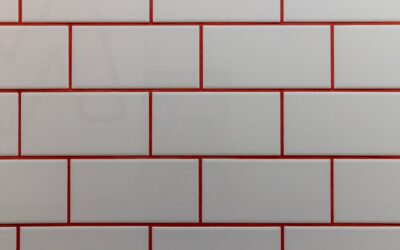
Do not underestimate grout when designing with square subway tile; it is a design element in its own right. A grout that matches the tile color blends the joints and lets the squares read as a smooth, unified surface, perfect for a subtle, seamless look. A contrasting grout, dark against white tile or vice versa, emphasizes the grid and turns the geometry into a graphic feature, a favorite for on-trend backsplashes. Grout joint width also matters: tight joints feel modern and clean, while slightly wider joints emphasize each tile and suit a more traditional or handmade aesthetic. Experimenting with grout color is one of the easiest ways to completely transform the look without changing the tile.
Cost and Buying Tips
Square subway tile is generally affordable, with basic ceramic versions running from about two to six dollars per square foot and handmade, zellige-style, or specialty finishes climbing to eight to fifteen dollars or more. Professional installation typically adds six to twelve dollars per square foot depending on the layout, with diagonal and checkerboard patterns costing more due to extra cuts. When buying, order 10 to 15 percent extra for cuts, breakage, and future repairs, and purchase from a single production run for color consistency, since glazes can vary between batches. If you love the handmade look, embrace the slight irregularity of artisan tiles rather than expecting machine-perfect uniformity. It is also worth ordering a single sample of each finish you are considering and viewing it on the actual wall in your own lighting, since glossy, matte, and handmade glazes can look surprisingly different at home than under showroom lights. Ask your supplier about lead times too, because specialty and handmade square tiles are sometimes made to order and can take weeks to arrive, a detail worth knowing before you schedule installation and coordinate the rest of your project.
Styling Square Subway Tile by Room
Because this tile is so adaptable, it pays to think about how it will read in each specific room and how to style it accordingly. In a kitchen, a white glossy square subway backsplash in a straight stack keeps the space bright and timeless, while a soft green or blue in a running-bond pattern adds gentle personality without overwhelming the cabinetry. In a bathroom, larger squares on the shower walls create a clean, spa-like calm, and a diagonal or diamond accent band can dress up an otherwise simple installation. In a powder room, where you can afford to be bolder, a dramatic matte black or a handmade zellige-style square makes a memorable statement in a small footprint. Consider how the surrounding elements shape the effect:
- Countertops and cabinets: Pull a complementary or contrasting tone from these into your tile and grout choices.
- Lighting: Glossy squares bounce light around, brightening dim kitchens and baths.
- Scale of the room: Smaller squares add cozy texture; larger squares feel open and modern.
- Fixtures and hardware: Coordinate metal finishes with the overall mood, warm brass for traditional, matte black for modern.
- Adjacent surfaces: Keep busy floors or bold counters balanced with a calmer tile, and vice versa.
Thinking room by room helps you decide how much drama the tile should carry and how much should come from color, grout, and layout. That intentional approach is what turns a simple square into a design that feels tailored to the space rather than generic.
Bringing the Look Together
For homeowners who love the timeless appeal of subway tile but want something with a little more distinction, square subway tile offers the perfect balance of classic and contemporary. Its balanced grid, wide range of colors and finishes, and flexibility across layouts from clean straight-stacks to bold diagonals and checkerboards make it a designer favorite for backsplashes, showers, and feature walls. Play with color, finish, and especially grout to dial in exactly the mood you want, whether crisp and modern or warm and artisan. With thoughtful choices, this humble square becomes a fresh, sophisticated centerpiece that gives your home enduring style.
Prefer to explore on your own?
See how new flooring looks in your actual room in seconds — free, no signup.
Try the free Floor Studio →