White subway tile will never go out of style, but it also isn’t the only way to get that timeless brick-laid look. Colored subway tile lets you keep the familiar, budget-friendly format while injecting real personality into a kitchen, bath, or laundry room. A soft sage backsplash or a moody navy shower reads as custom and intentional, yet costs barely more than the classic white. If you’ve been craving something with a little more soul, color is the easiest upgrade you can make to a proven shape.
Part of our Tile & Grout guide — explore the full guide →
- Why Colored Subway Tile Works So Well
- The Most Popular Colors Right Now
- Matte, Glossy, or Crackle Finish
- Pairing Grout With Colored Subway Tile
- Where Each Color Shines in the Home
- Buying and Budgeting Tips
- Coordinating Color With the Rest of the Room
- Caring for Colored Subway Tile Over Time
- Bringing It All Together
Why Colored Subway Tile Works So Well
The subway shape is a neutral canvas. Its clean 1:2 rectangle has been in continuous use since 1904, which means it never looks like a passing fad no matter what hue you glaze it. That stability is exactly why color works here. You get the safety of a classic silhouette with the freedom of a bold finish, so the result feels adventurous without the risk of a trend you’ll regret in three years.
There’s also a practical angle. Manufacturers produce colored subway tile in enormous volume, so a sage green or dusty blue tile often costs just $3 to $9 per square foot—only a dollar or two more than plain white. That makes color one of the cheapest ways to give a room a signature look, especially compared to specialty patterned or handmade options that can run $20 or more per square foot.
The Most Popular Colors Right Now
Trends shift, but a handful of shades have proven they can carry a room for the long haul. Here’s how the front-runners tend to behave in real spaces.
- Sage and olive green: Earthy and calming, these greens pair beautifully with wood tones, brass fixtures, and cream cabinetry. They’re the current darling of transitional kitchens.
- Navy and deep blue: Dramatic and grounding. Navy reads almost neutral in the right light and looks striking against white grout or warm oak.
- Blush and terracotta: Warm, soft, and unexpectedly versatile. Blush flatters both modern and vintage baths.
- Charcoal and matte black: High contrast and boldly contemporary, ideal for a statement shower or powder room.
- Sea glass and pale aqua: Fresh and coastal, these lighter tones brighten a small bath without the sterility of pure white.
If you’re nervous about commitment, start in a smaller room. A powder room or laundry backsplash is a low-stakes place to test a saturated color, and the square footage is small enough that even a premium tile stays affordable.
Matte, Glossy, or Crackle Finish
Color is only half the equation—finish changes everything. A glossy glaze reflects light, deepens the color, and wipes clean easily, which makes it the workhorse choice for kitchen backsplashes. Matte finishes read as more organic and modern, hide water spots well, but can be slightly harder to keep pristine behind a cooktop. Crackle-glaze tile, with its fine web of surface fractures, delivers old-world charm but requires sealing because the cracks can trap grime and stains.
Handmade zellige tile deserves a special mention. These clay tiles carry natural color variation and irregular edges that catch light differently across a wall. A green zellige backsplash looks alive in a way no machine-made tile can match, though the uneven surface demands an experienced installer and a higher budget of $15 to $40 per square foot.
Pairing Grout With Colored Subway Tile
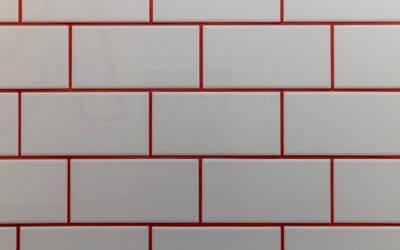
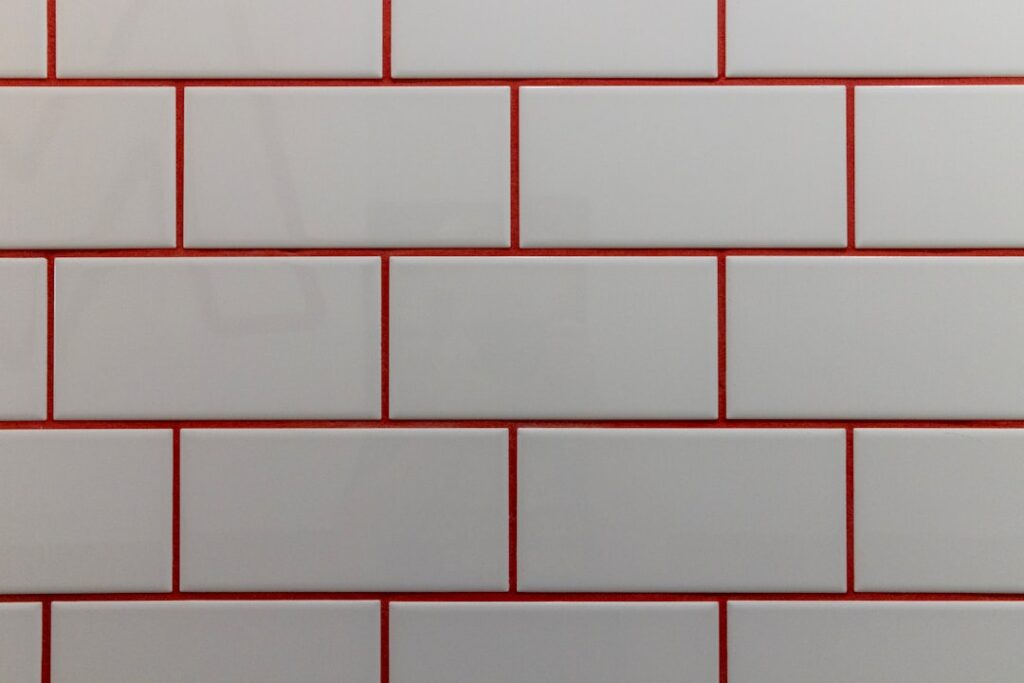
Grout choice can make or break a colored installation. The rule of thumb: match the grout to the tile for a soft, monochromatic field, or contrast it to sharpen the pattern. A sage tile with matching greige grout melts into a serene wash of color. That same sage with charcoal grout suddenly reads as a crisp, graphic grid.
Be cautious with white grout against dark tiles like navy or charcoal. It looks fantastic on day one, but grout hazing, mineral deposits, and everyday grime show quickly and demand frequent cleaning. For dark tile, a matching or slightly darker grout is far more forgiving. Whatever you pick, use a stain-resistant urethane or epoxy grout in kitchens and showers so the color stays true for years.
Where Each Color Shines in the Home
Placement matters as much as the shade itself. In kitchens, greens and blues behind open shelving create a backdrop that flatters both dishware and cabinetry. In bathrooms, aqua and blush wrap a shower in spa-like warmth, while charcoal and black turn a powder room into a jewel box. Laundry rooms and mudrooms are perfect proving grounds for bolder terracotta or mustard tones because you spend less time in them and can afford to be playful.
Lighting should steer your final pick. North-facing rooms receive cool, indirect light that mutes warm colors and can make gray-toned tiles feel flat, so lean warmer. South-facing spaces get bright, warm light that intensifies saturated hues, meaning a navy or deep green won’t feel as heavy as it might elsewhere. Always tape a few sample tiles to the wall and observe them at morning, midday, and night before ordering.
Buying and Budgeting Tips
Order 10 to 15 percent more tile than your measured square footage to cover cuts, breakage, and future repairs. Dye lots vary, so keeping a few spare tiles from the same batch is cheap insurance against a mismatched patch down the road. Confirm the tile’s PEI rating if you plan to use it on a floor—most glazed subway tile is rated for walls only.
Because colored tile production runs in cycles, a shade you love today may be discontinued next year. If you’re planning a large installation across multiple phases, buy it all at once. That single decision spares you the frustration of a partial-match repair later.
Coordinating Color With the Rest of the Room
A colored tile never lives in isolation, so the surrounding materials decide whether it sings or clashes. The safest approach is to let the tile be the boldest element and keep everything around it more neutral. A saturated navy backsplash pairs beautifully with white or wood cabinetry and a quiet quartz counter, but put it against an equally busy granite and the room fights itself. Pick your hero and let the supporting cast stay calm.
Metals and hardware are your secondary lever. Warm brass and unlacquered gold flatter earthy greens, terracotta, and blush, giving those tones a collected, timeless feel. Matte black hardware sharpens navy, charcoal, and deep teal into something modern and graphic. Polished nickel and chrome keep aqua and sea-glass shades crisp and coastal. Bring a hardware sample and a cabinet door chip to the tile store rather than trusting memory—undertones that look identical in your head rarely match in person.
Caring for Colored Subway Tile Over Time
Glazed ceramic is one of the lowest-maintenance surfaces in the house, and color doesn’t change that. The glazed face resists stains and wipes clean with a mild pH-neutral cleaner, so day-to-day upkeep is simply a damp cloth. Skip abrasive scrubbing pads and harsh acidic cleaners, which can dull a matte glaze over years of use.
Grout is where the real maintenance lives. Cement-based grout should be sealed after it cures and resealed every year or two, especially on lighter grout behind a cooktop. Choosing a urethane or epoxy grout upfront sidesteps that chore entirely and keeps the color between your tiles looking fresh. With that one decision handled, a colored subway installation will look nearly as good in a decade as it did the week it went up.
Bringing It All Together
The beauty of colored subway tile is that it delivers big personality with very little risk. You keep a shape that has flattered American homes for over a century and simply dial in a hue that fits your space, your light, and your taste. Whether you go quietly earthy with sage or boldly dramatic with navy, pair it with the right finish and grout, order a little extra, and you’ll have a surface that feels custom, timeless, and unmistakably yours.
Prefer to explore on your own?
See how new flooring looks in your actual room in seconds — free, no signup.
Try the free Floor Studio →