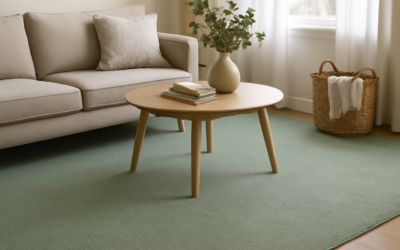
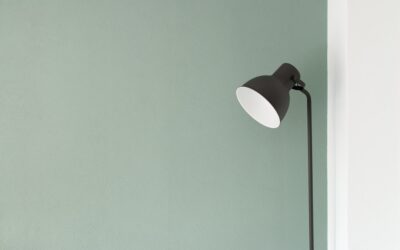
Green has quietly taken over kitchens and bathrooms, and no shade is more requested than the soft, grayed-down tone we call sage. Sage tile sits at the intersection of calm and character — it is a color, not a neutral, yet it behaves almost like one because its muted, earthy quality pairs with nearly everything. I have watched clients hesitate over committing to green, then fall in love once the sage backsplash goes up and the whole kitchen feels grounded and organic. If you are drawn to the color but nervous about the commitment, here is what you need to know.
Part of our Tile & Grout guide — explore the full guide →
What Makes a Color “Sage”
Sage is a muted green-gray, named for the herb, with soft, dusty undertones rather than bright or saturated color. That gray element is exactly what makes it so livable — it never shouts. Sage ranges from a pale, almost mint-tinged whisper to a deeper, olive-leaning tone. Cooler sages lean gray-blue; warmer sages lean toward olive and gold. As with any color, the undertone matters more than the name on the box, so always look at samples in your own light before deciding.
Where Sage Tile Works Beautifully
Sage brings a spa-like, nature-inspired calm, which makes it a natural fit for several spaces:
- Kitchen backsplashes: Sage subway or zellige tile behind white or wood cabinets is a designer staple.
- Bathrooms: A sage-tiled shower or vanity wall creates a serene, retreat-like feel.
- Laundry and mudrooms: Adds personality to hardworking spaces without being loud.
- Fireplace surrounds and accent walls: Warm, earthy, and inviting.
Sage is most common as a wall tile, though sage-toned floor tile works well in powder rooms and small baths for an enveloping, monochromatic look.
Tile Styles That Suit Sage
The tile shape carries the color in different directions. Glossy sage subway tile reads classic and clean. Handmade-look zellige, with its uneven surface and color variation, gives sage an artisanal, organic character that is hugely popular right now — the slight tonal shifts from tile to tile make the wall feel alive. Matte square or hexagon tiles lean modern and understated. Fluted or textured sage tile adds dimension for a feature wall. Match the tile style to your overall design: zellige for warmth and craft, crisp gloss subway for a cleaner look.
What to Pair With Sage Tile
This is where sage earns its reputation as an easy color. It plays beautifully with:
- Natural wood: Oak, walnut, and butcher block bring out sage’s organic side.
- Warm metals: Brass, unlacquered brass, and aged bronze fixtures glow against green.
- Creamy whites and off-whites: Softer than stark white, and more harmonious with sage’s muted tone.
- Black accents: Matte black hardware or window frames add crisp definition.
- Terracotta and clay tones: A warm, earthy complement for a Mediterranean feel.
For countertops, a warm white quartz or a honed marble-look surface lets the sage tile stay the star.
Grout Color Makes a Difference
Grout can shift the whole look. A grout that closely matches the sage tile creates a soft, seamless, monochromatic wall — ideal for a calm, modern feel. A white or light grout brightens and defines each tile, giving classic subway a crisp look, though it needs more cleaning. For zellige and handmade tile, a natural gray or greige grout complements the color variation without competing. Avoid stark contrasts unless you specifically want a graphic, defined grid.
What Sage Tile Costs
Pricing depends heavily on the tile type. Standard glazed ceramic sage subway runs $3 to $8 per square foot. Porcelain lands around $5 to $10. Genuine handmade zellige, imported from Morocco, commands a premium at $15 to $30 per square foot and requires an experienced installer because of its irregular edges and thickness variation. Installation for a backsplash typically adds $10 to $20 per square foot, more for zellige. A standard 30-square-foot kitchen backsplash in ceramic sage might run $600 to $1,200 installed; the same in zellige could reach $1,500 to $3,000.
Will Sage Feel Dated?
It is a fair question with any color choice. Sage’s advantage is its muted, natural quality — because it is grayed-down rather than saturated, it ages more gracefully than trendy bright colors. Green in general has deep roots in traditional and historical design, so it reads timeless rather than of-the-moment. To keep the look enduring, use sage on elements that are easier to change if tastes shift, or pair it with genuinely timeless materials like natural wood and marble-look surfaces. Handmade zellige in particular has a craft quality that transcends trends.
Is Sage Tile Right for You?
If you want to bring in color without the risk of a bold, saturated hue, sage tile is one of the safest, most versatile choices available. It creates a calm, organic atmosphere, flatters both modern and traditional spaces, and pairs with the warm woods and brass hardware that dominate current design. Order samples in the specific shade and finish you are considering, tape them up in your space, and view them morning and evening — sage shifts noticeably between cool daylight and warm evening light, and seeing that range is the key to picking the tone you will love long-term.
Sage Tile in Different Rooms
The same color plays different roles depending on the space. In a kitchen, a sage backsplash softens crisp white cabinets and reads fresh and organic, especially paired with brass fixtures and a warm wood island. In a primary bathroom, floor-to-ceiling sage shower tile creates an immersive, spa-like retreat that feels calm and grounding. A powder room can carry a bolder, deeper sage since the space is small and you visit it briefly. Laundry rooms and mudrooms gain personality from sage without the color fatigue you might feel in a room where you spend hours. Consider how long you occupy a room when deciding how much sage to use — the more time you spend there, the more you may prefer it as an accent rather than a full envelope.
Caring for Sage Tile
Maintenance depends on the tile material more than the color. Glazed ceramic and porcelain sage tile wipe clean with mild soap and water and resist staining, making them ideal for backsplashes behind a stove. Handmade zellige requires a gentler touch — its glaze can be more delicate, and the uneven surface catches a bit more grime, so a soft cloth and pH-neutral cleaner are best. Grout is the main upkeep item; sealing cement grout keeps it from staining, while epoxy grout is maintenance-free. For a sage shower, squeegee the walls to prevent hard-water spots that would dull the color over time.
Final Take on Sage
Sage tile hits a sweet spot that few colors manage: it brings genuine color and personality to a room while remaining calm, versatile, and enduring. Its muted, grayed-down quality keeps it from feeling trendy, and it flatters the natural woods, warm metals, and creamy whites that dominate current design. Test your specific shade and finish in your own light before committing, since sage shifts noticeably between daylight and evening bulbs, and pick the tile style — crisp gloss subway or artisanal zellige — that matches the mood you want. Chosen thoughtfully, sage becomes a soft, sophisticated backdrop you will enjoy for many years.
Prefer to explore on your own?
See how new flooring looks in your actual room in seconds — free, no signup.
Try the free Floor Studio →