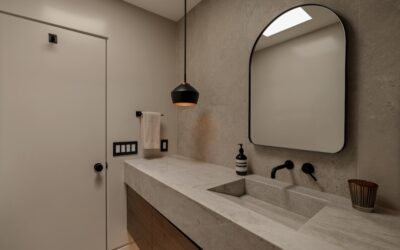
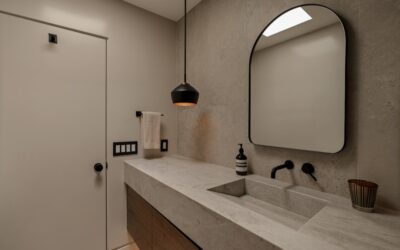
There is something effortlessly calming about a soft, non-reflective white surface, and that is exactly what matte white tile delivers. Unlike glossy tile that bounces light and reveals every smudge, matte white has a velvety, understated finish that reads modern, sophisticated, and forgiving. It has become a designer favorite for showers, floors, backsplashes, and feature walls, offering the brightness of white without the glare. This guide explores how to use it beautifully and what to expect in terms of cost and upkeep.
Part of our Tile & Grout guide — explore the full guide →
What Sets Matte White Apart
The difference between matte and glossy tile comes down to how the surface handles light. A polished tile has a smooth, reflective glaze that shines and highlights every water spot and fingerprint. A matte finish diffuses light instead of reflecting it, producing a soft, chalky, contemporary look. On white tile specifically, this means a surface that feels serene and architectural rather than shiny and busy. Matte white also tends to hide water spots, soap film, and minor smudges far better than gloss, which is a practical advantage in kitchens and bathrooms.
Why Designers Love It
Matte white tile suits the pared-back, natural aesthetic that dominates modern interiors. It pairs effortlessly with organic materials like wood, rattan, and stone, and it provides a clean backdrop that lets other elements shine. Because the finish is understated, it works across styles, from minimalist and Scandinavian to farmhouse and Japandi. It also offers better slip resistance than glossy tile, making it a smart choice for floors and shower surfaces. And since white reflects and brightens without the harshness of a mirror-like glaze, matte white opens up small or dim rooms while keeping them soft and inviting.
Popular Formats and Shapes
Matte white tile comes in nearly every shape imaginable, and the format shapes the look:
- Subway tile: Classic and versatile, matte white subway reads softer and more modern than its glossy cousin.
- Large-format: Big tiles like 12×24 or larger minimize grout lines for a seamless, expansive surface.
- Hexagon and penny round: Geometric shapes add subtle pattern while keeping the calm white palette.
- Zellige and handmade look: Slightly irregular matte tiles bring artisanal texture and gentle variation.
- Square and grid: Stacked matte squares create a crisp, contemporary gallery look.
Design Ideas to Try
Because it is such a flexible neutral, matte white tile anchors many looks. Consider these ideas:
- Serene spa bath: Wrap a shower in large matte white tile with matching grout for a soft, seamless retreat.
- Warm minimalism: Pair matte white walls with light oak vanities and brass fixtures for cozy contemporary style.
- Modern farmhouse: Combine matte white subway tile with black hardware and a wood-look floor.
- Textured feature wall: Use handmade-look zellige tile to add depth while keeping the palette calm.
- Bright kitchen backsplash: Matte white behind the range brightens the space without the glare of gloss.
Choosing the Right Grout
Grout defines how matte white tile reads. A white or off-white grout that matches the tile creates a soft, seamless surface where the tile shape provides gentle texture, which is the most popular modern approach. A light gray grout adds subtle definition and hides dirt better than pure white, a practical middle ground. A darker grout produces a bold, graphic grid that emphasizes each tile, suiting industrial or high-contrast styles. In wet areas, choose a stain-resistant or epoxy grout, and keep grout lines narrow for the cleanest look. Because matte tile is understated, the grout choice has an outsized effect on the final feel.
What Matte White Tile Costs
Pricing tracks with material and format. Basic matte white ceramic runs about $2 to $6 per square foot, mid-grade porcelain from $4 to $10 per square foot, and premium handmade, zellige, or designer tiles from $10 to $25 or more. Installation typically adds $6 to $14 per square foot for standard layouts, with intricate patterns like herringbone costing more. Large-format matte tile requires a very flat substrate and possibly a leveling system, which can add to prep costs. As always, budget for thinset, grout, spacers, and a 10 to 15 percent overage for cuts and future repairs.
Care and Maintenance
Matte white tile is practical, but the finish has its own care needs. Its texture hides water spots and smudges well, which is a real advantage, but it can trap a little more dirt in its microtexture than gloss, so periodic scrubbing with a soft brush keeps it bright. Use a pH-neutral cleaner and avoid harsh abrasives or waxy products that can build up and dull the finish. Keep grout sealed in wet areas, or use epoxy grout, to prevent staining and mildew that would stand out against the white. For matte natural stone versions, follow stone-specific sealing and cleaning guidelines rather than treating it like porcelain.
Pros and Cons
The strengths of matte white tile are its soft, modern elegance, its ability to brighten without glare, its better slip resistance, and how well it hides water spots and fingerprints. It is a timeless neutral that works with any style. The trade-offs are that its texture can hold onto grime and require occasional deeper cleaning, that stains may show more readily on white than on darker tile if grout is not sealed, and that some matte surfaces can be slightly harder to wipe perfectly clean than glass-smooth gloss. Choosing quality porcelain and sealing grout addresses most concerns.
Matte Versus Glossy: Making the Choice
Since matte and glossy are the two dominant finishes for white tile, it is worth understanding exactly what you gain and give up with each. Glossy white tile has a reflective glaze that bounces light, maximizing brightness in dark rooms and creating a crisp, clean, slightly formal look. It also wipes perfectly clean because its glass-smooth surface leaves nowhere for grime to hide, which is why gloss remains popular for backsplashes that see grease and splatter. The downside is that gloss shows every water spot, fingerprint, and streak, and its slick surface can be slippery underfoot, ruling it out for many floors.
Matte white tile trades that mirror-like shine for a soft, contemporary, non-reflective surface that hides water spots, smudges, and fingerprints remarkably well. It offers better slip resistance, making it the safer choice for floors and shower pans, and it delivers the understated, natural aesthetic that defines modern interiors. The trade-off is that matte’s subtle microtexture can hold onto grime a little more than gloss, so it occasionally needs a soft-brush scrub, and it does not brighten a dark room quite as aggressively as a reflective glaze. For most bathrooms, floors, and calm modern spaces, matte is the stronger all-around pick thanks to its forgiving surface and better traction. Glossy still earns its place where you want maximum light reflection or the easiest possible wipe-down, such as a compact windowless powder room or a hardworking kitchen backsplash. Many homeowners even combine the two, using glossy tile on walls for brightness and matte on floors for grip, which lets each finish do what it does best while keeping the white palette consistent throughout the room.
Final Thoughts
Matte white tile proves that white does not have to mean shiny or clinical. Its soft, non-reflective finish brings a calm, contemporary elegance to any room while brightening the space and forgiving the smudges and water spots that plague glossy surfaces. Whether you use it for a serene shower, a warm minimalist bath, a modern farmhouse backsplash, or a textured feature wall, matte white tile offers a versatile, timeless foundation. Pair it with natural woods, thoughtful metals, and a well-chosen grout, and your matte white tile will keep your space feeling fresh and sophisticated for years.
Prefer to explore on your own?
See how new flooring looks in your actual room in seconds — free, no signup.
Try the free Floor Studio →