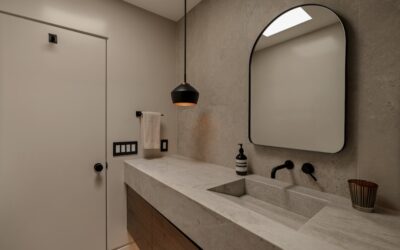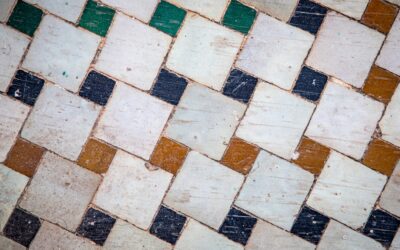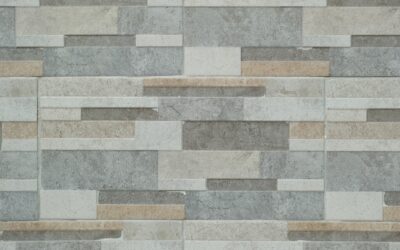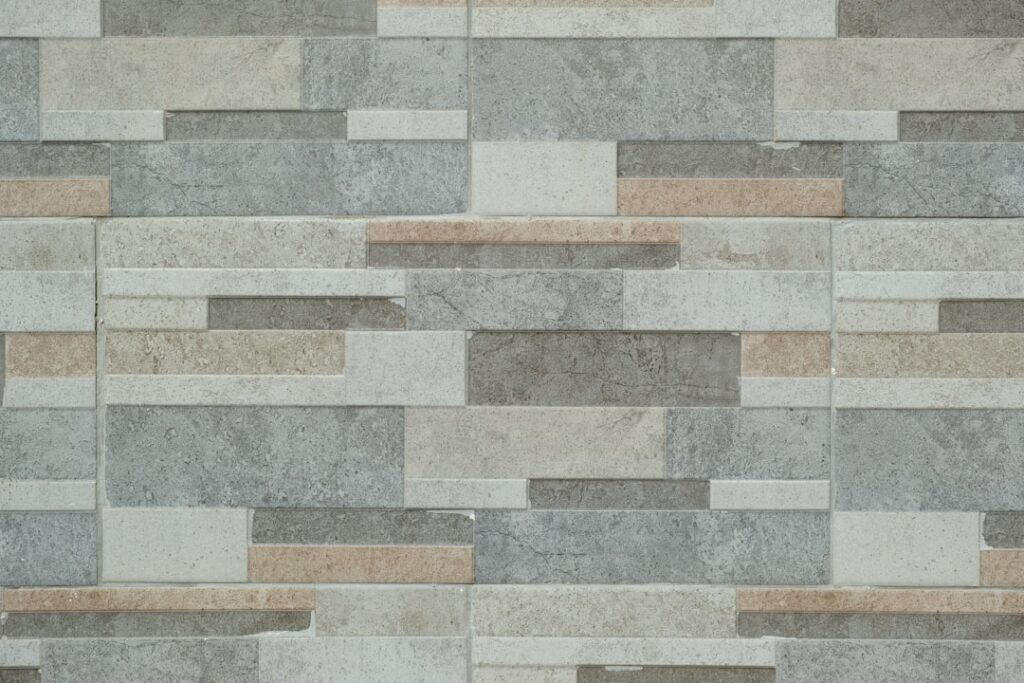
Walk into any modern kitchen or spa-style bathroom lately and you will notice the shine is gone. Matte ceramic tile has quietly taken over from the high-gloss look that dominated for decades, and it is not just a style swing. A matte surface hides water spots, disguises footprints, and gives underfoot traction that glossy tile simply cannot match when the floor gets wet. For homeowners weighing floor and wall options, understanding what matte really delivers, and where it falls short, makes the difference between a floor you love and one you spend every weekend wiping down.
Part of our Tile & Grout guide — explore the full guide →
This guide covers what matte ceramic tile is, the rooms it suits best, how it handles slips and stains, realistic costs, and the maintenance quirks nobody mentions at the tile shop.
What Makes a Tile Matte
Ceramic tile starts as fired clay coated with a glaze. On a glossy tile, that glaze is smooth and reflective, bouncing light back at you. A matte finish uses a glaze formulated to scatter light instead, producing a soft, low-sheen surface with no mirror effect. The tile body underneath is identical; the difference lives entirely in that top layer. Some matte tiles also carry a subtle texture, which adds grip, while others are matte but still smooth to the touch.
This matters because matte is a look and a performance choice at once. The scattered light softens a room and reads as more contemporary and more natural, particularly in stone-look and concrete-look designs where a glossy sheen would look fake.
Where Matte Ceramic Tile Works Best
The strongest case for matte is anywhere water and bare feet meet. Bathroom floors, shower floors, entryways, mudrooms, and kitchens all benefit from a surface that stays grippy when splashed. A wet glossy floor is genuinely slick; a matte or textured matte floor holds traction much better, which is why it dominates in wet zones and homes with kids or older residents.
Matte also earns its keep in high-traffic areas because it hides the daily mess. Dust, dried water spots, small scratches, and the film left by hard water all disappear against a low-sheen surface, while a glossy floor puts every one of them on display under raking light. On walls and backsplashes, matte reads calm and modern, though many homeowners still choose gloss there specifically because the wall never gets walked on and the shine bounces light around a small room.
Slip Resistance and the COF Rating
If safety is driving your choice, look past the word matte and check the coefficient of friction, or COF. Tile is rated by a DCOF value; a reading of 0.42 or higher is the common benchmark for floors that may get wet. Many matte and textured tiles clear that bar comfortably, but not all do, so confirm the number rather than assuming.
- Bathroom and shower floors: prioritize higher DCOF and some surface texture for the most grip.
- Kitchens and entries: a solid matte glaze at or above 0.42 balances traction and easy cleaning.
- Living areas and walls: DCOF is less critical, so you can chase looks more freely.
Cleaning and Maintenance Realities
Here is the honest tradeoff. Matte ceramic tile hides everyday grime beautifully, but the same micro-texture that grips your feet can grip dirt in the pores of the glaze, making some matte tiles slightly harder to deep clean than slick glossy ones. The fix is routine, not heroic. Sweep or vacuum grit regularly, and mop with a pH-neutral cleaner and warm water. Skip oil-based and wax cleaners, which leave a dull film that dulls the finish further and traps dirt.
For stubborn spots, a soft nylon brush and a neutral cleaner lift ground-in dirt without scratching. Avoid abrasive powders and steel wool, which can mar the glaze. Because matte does not show water spots, you also skip the constant squeegee routine that glossy tile demands to look clean. Most owners find the maintenance a fair trade for never seeing footprints again.
Cost and Buying Considerations
Matte ceramic tile is priced very close to its glossy counterparts because the manufacturing difference is only in the glaze. Expect roughly $1.50 to $5 per square foot for standard field tile, with designer and large-format lines running $6 to $12 or more. Installation typically adds $5 to $12 per square foot depending on your area, subfloor prep, and tile size.
When you shop, buy 10 to 15 percent extra for cuts, waste, and future repairs, since dye lots change and a matching tile may be impossible to find in two years. Check the tile’s PEI wear rating too: PEI 3 handles normal residential floors, while PEI 4 or 5 suits busy entries and homes with pets. Ceramic is generally softer and more affordable than porcelain, so for very heavy traffic or outdoor-adjacent spaces, weigh a matte porcelain instead.
Matte Versus Glossy: Making the Call
The decision usually comes down to room and lifestyle rather than pure taste. Choose matte for floors, wet areas, busy households, and any space where a natural stone or concrete look is the goal. Choose glossy where you want maximum light reflection and drama, such as a backsplash in a dim kitchen or an accent wall that never gets walked on. Many homeowners split the difference, running matte on the floor for grip and easy upkeep and a coordinating gloss on the wall for shine.
One design note: matte tile with heavy texture can be slightly harder to keep spotless on a food-prep backsplash, where grease clings, so a smooth matte or a wipeable satin finish often works better there than a rough one.
Sizes, Layouts, and Grout Choices
Matte tile comes in the same range of formats as any ceramic, and the size you choose changes the feel of a room as much as the finish does. Large-format matte tiles, 12 by 24 inches and up, create fewer grout lines and a clean, expansive look that suits modern floors, while smaller squares and subway shapes read more traditional. On floors, larger tiles demand a flatter subfloor, so budget for leveling if your slab or plywood has dips, since lippage between big tiles is unforgiving.
Grout color is worth real thought with matte tile. A grout that closely matches the tile keeps the surface calm and continuous, letting the soft finish do the talking, while a contrasting grout turns the layout itself into a design feature. Because matte hides dirt so well, many homeowners pair it with a mid-tone grout that also disguises everyday grime, so both the tile and the joints stay looking clean between deep cleanings. For wet areas, a stain-resistant or epoxy grout further reduces maintenance.
The Bottom Line for Your Home
Matte ceramic tile has earned its popularity honestly. It looks current, it grips underfoot when wet, and it hides the everyday mess that makes glossy floors look dirty an hour after you clean them. As long as you confirm the slip rating for wet areas, stick to neutral cleaners, and buy enough tile up front to cover repairs, it is one of the lowest-drama, best-value flooring choices you can make. For most homes, a quality matte ceramic tile on the floor delivers the modern look people want with the practicality daily life demands.
Prefer to explore on your own?
See how new flooring looks in your actual room in seconds — free, no signup.
Try the free Floor Studio →