If you want tile that looks understated, hides everyday smudges, and grips underfoot, matte tile is worth a close look. Defined by its low-sheen, non-reflective surface, matte tile trades the mirror shine of polished tile for a soft, natural finish that has become a staple of modern and minimalist interiors. It works beautifully on floors and walls alike, and its practical advantages often outweigh the glamour of gloss.
Part of our Tile & Grout guide — explore the full guide →
This guide explains what gives matte tile its finish, where it performs best, how it compares with glossy options, and the cleaning approach that keeps it looking its best.
What Gives Matte Tile Its Finish
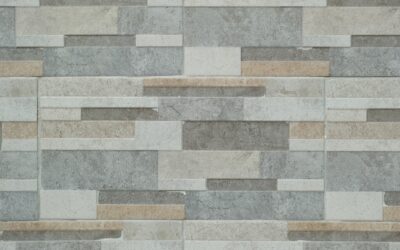
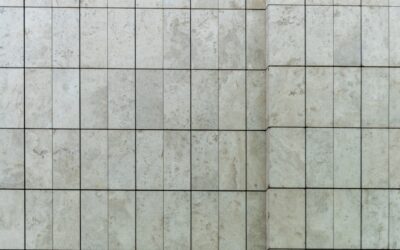
Matte tile gets its appearance from a finish that diffuses light rather than reflecting it. Where polished tile is fired or ground to a glassy shine, matte tile is left with a flatter, slightly textured surface that scatters light in many directions. The result is a muted, velvety look with no harsh glare.
You will find matte finishes across porcelain, ceramic, and natural stone tiles. Porcelain and ceramic achieve it through the glaze and firing process, while honed natural stone reaches a matte look by grinding the surface smooth without polishing it to a gloss. The finish affects not just looks but grip and maintenance, which is where its real value shows.
Key Advantages
The popularity of matte tile rests on a handful of genuinely useful benefits, especially in busy households.
- Slip resistance: The textured, non-reflective surface offers better traction than glossy tile, particularly when wet, making it safer for floors.
- Hides smudges and water spots: Without a reflective sheen, fingerprints, footprints, and watermarks are far less visible.
- No glare: It does not bounce harsh light around a room, creating a softer, calmer atmosphere.
- Conceals minor scratches: Surface wear and small imperfections blend in rather than catching the light.
- Modern, natural look: The subtle finish complements contemporary, Scandinavian, and organic design styles.
Things to Consider
No finish is flawless, and matte tile has a few trade-offs to weigh. Its textured surface can trap dirt and grime more readily than slick glossy tile, so spills and soil may need a bit more scrubbing to lift out of the micro-texture. Matte tile also does not reflect light, so it will not brighten a dim room the way glossy tile can, which matters in spaces with little natural light.
Some matte surfaces, particularly certain stones and cement-look tiles, may benefit from sealing to resist staining. And because the finish is less reflective, deep, saturated colors can appear slightly more muted than they would in a polished version. None of these are dealbreakers, but they shape where matte works best.
Best Rooms and Applications
Matte tile’s slip resistance and smudge-hiding make it a smart choice in specific areas of the home.
- Bathrooms: Excellent for floors and shower bases where wet feet demand traction.
- Kitchens: Hides footprints, water spots, and the inevitable daily mess on floors.
- Entryways and mudrooms: Grips wet shoes and masks tracked-in dirt between cleanings.
- Living areas: Delivers a soft, sophisticated floor without distracting glare.
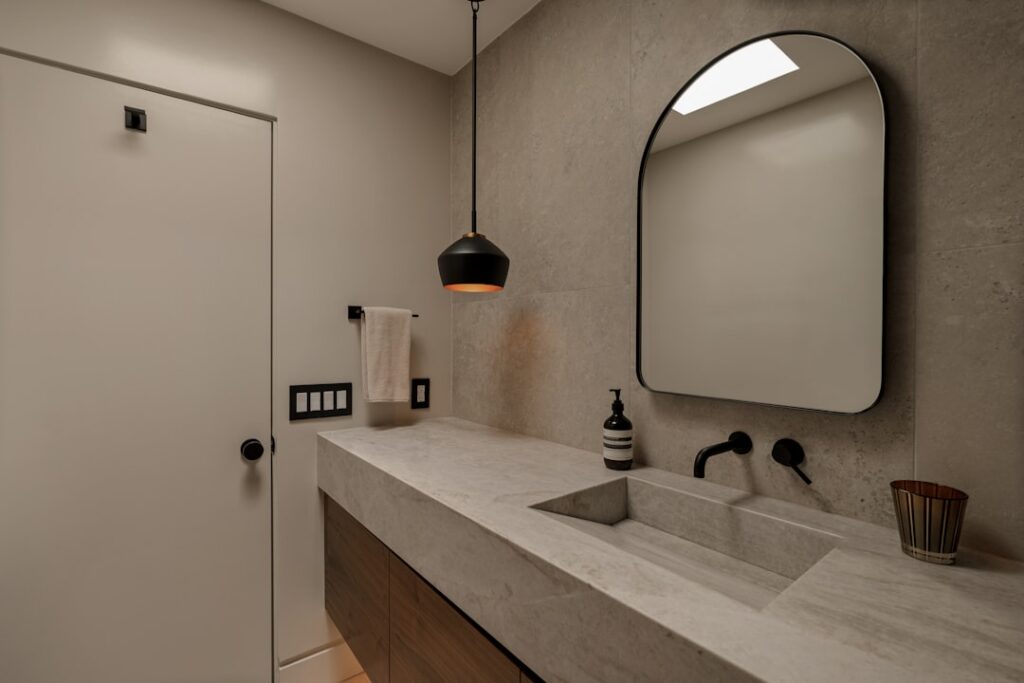
- Feature walls: Creates a refined, non-reflective backdrop for fireplaces and accent walls.
For bright, glamorous spaces or small rooms you want to feel larger and more luminous, glossy tile may serve better. Many homeowners mix the two, using matte on floors for safety and gloss on walls for brightness.
Matte vs Glossy: How to Decide
The choice between matte and glossy comes down to priorities. Glossy tile reflects light, makes spaces feel bigger and brighter, and shows off rich colors, but it reveals every smudge and water spot and can be slippery when wet. Matte tile is safer underfoot, low-maintenance in terms of visible smudges, and effortlessly modern, but it can hold dirt in its texture and will not amplify light.
Think about the room’s function and lighting. For a high-traffic, wet-prone, or sunlit floor, matte usually wins. For a small, dim bathroom or a backsplash you want to sparkle, gloss may be the better call. There is no universally correct answer, only the right fit for each space.
Cleaning and Maintenance
Keeping matte tile looking sharp is straightforward with the right routine. Because dirt can settle into the surface texture, regular cleaning prevents buildup that becomes harder to remove later.
- Sweep or vacuum frequently to remove grit before it grinds into the finish.
- Mop with a pH-neutral cleaner; avoid waxy or oily products that leave a dull film.
- For stubborn spots, use a soft brush to work cleaner into the texture, then rinse well.
- Seal porous matte stone or cement-look tiles as the manufacturer recommends, and reseal periodically.
- Rinse thoroughly so no cleaning residue dries on the surface and dulls it. If a film does build up over time from soap or hard water, a dedicated grout-and-tile cleaner can restore the original look, but always test it on a small hidden area first. Steam cleaning is another effective, chemical-free option for refreshing matte floors in kitchens and bathrooms.
Design Ideas Using Matte Tile
Matte surfaces open up a range of design possibilities that gloss cannot match. Large-format matte porcelain on a floor creates a calm, continuous backdrop that lets furniture and decor take center stage, a favorite move in minimalist and modern homes. In bathrooms, a matte floor paired with matte wall tile produces a spa-like, monochromatic effect that feels serene and high-end.
For contrast, mix textures rather than colors: a matte floor with a glossy or textured accent wall adds depth without clashing. Matte hexagons, fish-scale, or zellige-style tiles bring tactile, handmade character to backsplashes and feature walls. Earthy matte tones in terracotta, charcoal, and sand suit organic and Japandi interiors beautifully. Because matte hides smudges and reads as understated, it also works well in concrete-look and stone-look formats, reinforcing a natural, grounded aesthetic throughout the home.
Final Thoughts
Matte tile pairs a quietly elegant, contemporary look with real practical benefits: better grip, hidden smudges, and no glare. The trade-offs, mainly a bit more cleaning effort and less reflected light, are easy to manage and often worth it in kitchens, baths, and entryways. Weigh the finish against each room’s lighting and traffic, keep up with simple maintenance, and matte tile rewards you with a sophisticated surface that stays looking good through daily life.
Prefer to explore on your own?
See how new flooring looks in your actual room in seconds — free, no signup.
Try the free Floor Studio →