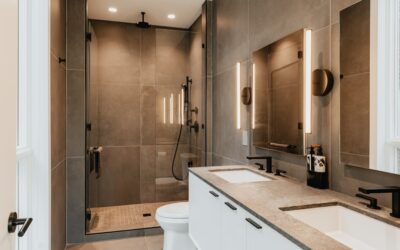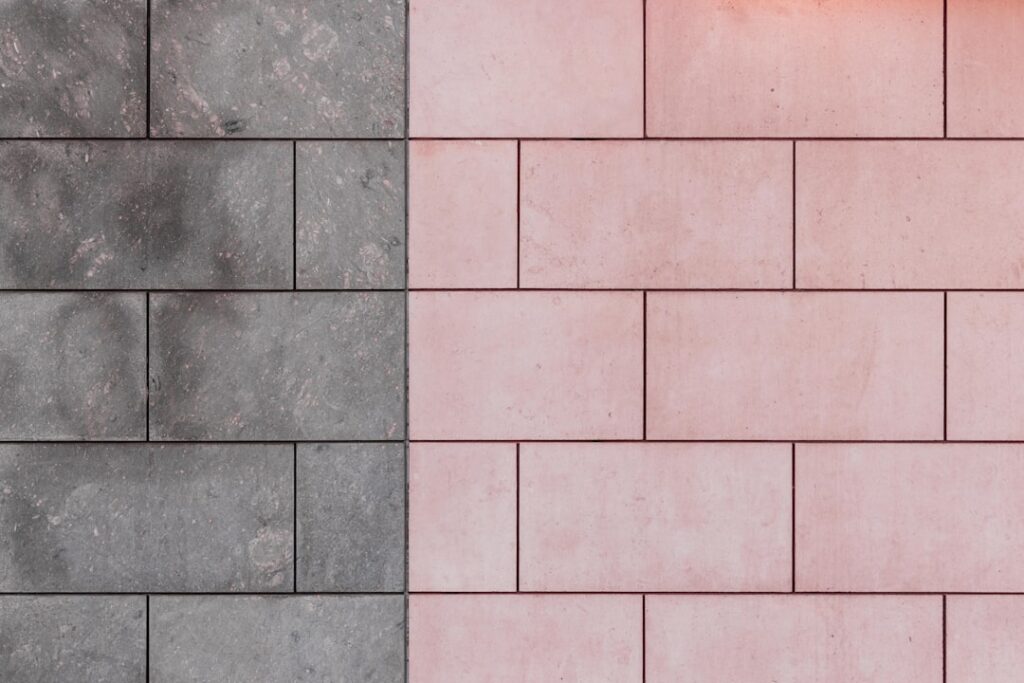
The classic 3×6 subway tile has never gone out of style, but its finish is where the trend is quietly shifting. Matte subway tile trades the bright shine of traditional glossy tile for a soft, low-sheen surface that reads as calmer, more modern, and easier to live with. If you love the timeless subway shape but find high-gloss too busy or too reflective, the matte version may be exactly the update your kitchen or bathroom needs.
What Makes Matte Different
The difference between matte and glossy tile comes down to the glaze. Glossy tile has a reflective glaze that bounces light and shows every highlight, while matte tile uses a flat glaze that scatters light and produces a soft, even surface with no glare. That single change transforms the mood of a wall from bright and energetic to understated and serene.
Beyond looks, matte glaze affects practical behavior. It hides water spots, fingerprints, and light smudges far better than gloss, which is why it appeals to busy kitchens and family bathrooms. On the other hand, a matte surface can be very slightly more textured, which means it holds a bit more grime in exchange for hiding it better, a trade many homeowners happily accept.
Matte vs. Glossy Subway Tile
Choosing between the two finishes is mostly about the effect you want. Glossy subway tile makes small or dark rooms feel brighter because it reflects light, and it wipes down to a squeaky shine. Matte subway tile creates a soft, sophisticated backdrop that feels current and lets other elements, like brass fixtures or wood open shelving, take center stage.
For a north-facing bathroom that needs all the light it can get, gloss may be the smarter functional pick. For a sunny kitchen where glare off a glossy backsplash would be distracting, matte is the more comfortable choice. Many homeowners also find matte tile more forgiving of imperfect installation, since it does not spotlight every uneven edge the way a mirror-like gloss can.
Design Ideas with Matte Subway Tile
The beauty of subway tile is how much its look changes with layout and grout, and matte gives you an even more refined canvas. A classic offset brick pattern in white matte tile with a soft gray grout is a can’t-miss combination that feels fresh rather than dated. For something more contemporary, try a vertical stack layout, which emphasizes clean lines and pairs naturally with the flat, modern finish.
Herringbone is another strong option, adding movement and a custom feel while the matte finish keeps it from looking busy. Color choices have expanded well beyond white: soft sage green, warm greige, deep navy, and matte black are all popular, and the flat glaze makes these colors read as rich and muted rather than shiny and loud. In a bathroom, a matte tile running floor to ceiling creates a spa-like, enveloping effect.
Grout Choices That Make or Break the Look
Grout is not an afterthought with subway tile; it defines the entire pattern. A matching grout, such as white grout with white tile, makes the wall feel seamless and expansive. A contrasting grout, like charcoal against white tile, highlights the brick pattern and gives an industrial, graphic look that has become a signature of modern kitchens.
With matte tile, most homeowners lean toward soft, mid-tone grouts that complement rather than shout. Consider a urethane or epoxy grout in wet areas like showers and backsplashes, since these resist staining and mildew far better than standard cement grout and keep the crisp look longer. Whatever you choose, seal cement grout after installation to protect it from grease and water.
Cost and Where to Use It
Matte subway tile is one of the more affordable ways to get a high-end look. Basic white ceramic subway tile often runs from about $2 to $6 per square foot for the tile itself, with specialty colors, handmade zellige-style versions, and porcelain running higher. Installation typically adds several dollars per square foot depending on the layout, with herringbone and other intricate patterns costing more in labor than a simple offset.
The most popular applications are kitchen backsplashes, bathroom walls, shower surrounds, and accent walls. Ceramic subway tile is generally rated for walls, so for floor use, choose a porcelain version rated for the traffic and, in wet areas, one with adequate slip resistance. Matte finishes are actually an advantage underfoot in bathrooms because they tend to be less slippery than gloss when wet.
Pros and Cons at a Glance
The advantages of matte subway tile are easy to appreciate in daily life. The flat finish hides water spots, fingerprints, and soap film that would show plainly on gloss, which means a backsplash or shower wall looks clean with less wiping. The soft, glare-free surface reads as modern and calm, complements natural materials like wood and stone, and tends to be more forgiving of minor installation imperfections than a mirror-like glossy tile.
There are honest trade-offs to weigh. Because a matte glaze is very slightly more textured than gloss, it can hold onto grease and grime a bit more, so it benefits from regular wiping even though it hides marks well. In a dark room, matte tile will not bounce light the way gloss does, so a dim bathroom may feel brighter with a glossy surface. For most kitchens and well-lit baths, though, the muted sophistication and low-glare comfort of matte outweigh these minor drawbacks, which is why the finish keeps gaining ground.
Installation and Maintenance Tips
Because subway tile is small and repetitive, layout planning pays off. Dry-lay a row first, plan where cut tiles will fall so they land in less visible spots, and use tile spacers to keep grout lines consistent. A level starting line is critical; a small error at the bottom multiplies up the wall. For a professional finish, use edge trim or bullnose tile to cap exposed edges cleanly.
Maintenance is refreshingly simple. Wipe matte subway tile with a soft cloth and a mild, non-abrasive cleaner; avoid harsh scrubbing pads that could dull or scratch the glaze over time. Keep grout lines clean and reseal cement grout periodically. Because matte hides water spots and fingerprints so well, day-to-day upkeep is noticeably easier than with gloss, which is one more reason this quietly elegant finish keeps winning homeowners over.
Prefer to explore on your own?
See how new flooring looks in your actual room in seconds — free, no signup.
Try the free Floor Studio →