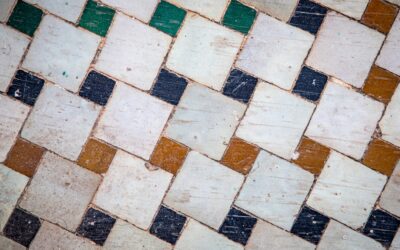
Few design choices transform a room as decisively as a wall or floor wrapped in saturated color. Blue square tile ranges from pale sky ceramics to deep cobalt porcelain, and it works as easily in a coastal bathroom as it does behind a modern range. If you are weighing a blue square tile installation, the material, finish, and grout color matter as much as the shade itself. This guide walks you through everything a homeowner needs before committing to an order.
Part of our Tile & Grout guide — explore the full guide →
- Why Choose Blue for Floors and Walls
- Material Options and What They Cost
- Popular Sizes and Formats
- Finishes: Glossy, Matte, and Textured
- Choosing the Right Grout Color
- Installation Basics
- Pros and Cons at a Glance
- Care and Maintenance
- Design Pairings That Work
- Estimating How Much You Need
- Frequently Asked Questions
Why Choose Blue for Floors and Walls
Blue reads as calm, clean, and timeless, which is why it dominates bathrooms, kitchen backsplashes, and pool surrounds. Cooler shades like powder blue open up small rooms and bounce natural light, while navy and cobalt anchor a space with drama. Because blue is a recessive color, it visually pushes walls back, making cramped powder rooms feel roomier than their square footage suggests.
Unlike trend colors that date quickly, classic blues have held steady in American homes for decades. A 4-inch glossy blue square on a backsplash echoes mid-century kitchens, while an 8-inch matte cobalt floor tile feels distinctly contemporary. That range gives you flexibility whether you are restoring a period home or building new.
Material Options and What They Cost
Blue square tile is manufactured in several materials, and each carries a different price and performance profile. Expect these ballpark ranges before installation labor:
- Ceramic: $2 to $7 per square foot. Great for walls and low-traffic floors; softer body, easy to cut.
- Porcelain: $4 to $12 per square foot. Denser and rated for heavy floor traffic, wet areas, and outdoors.
- Glass mosaic: $12 to $40 per square foot. Vivid, reflective color ideal for accent walls and shower niches.
- Zellige and handmade: $20 to $50 per square foot. Uneven, glossy Moroccan-style squares with rich color variation.
Installation typically adds $7 to $15 per square foot depending on your region, substrate prep, and layout complexity. A small 30-square-foot backsplash often lands between $600 and $1,500 installed, while a full bathroom floor can run $1,500 to $4,000.
Popular Sizes and Formats
Square format is the classic tile shape, and blue is available across the full size range. Common dimensions include 2×2-inch mosaics, 4×4-inch classics, 6×6-inch mid-size, 8×8-inch encaustic-look, and 12×12-inch floor squares. Smaller squares suit shower floors because the extra grout lines add slip resistance and hug curved drains. Larger 12-inch squares cover open floors faster with fewer grout joints to clean.
For walls, a 4×4 or 6×6 grid feels crisp and traditional. If you want a bolder statement, an 8×8 patterned blue square with a Spanish or Portuguese motif turns a plain floor into a focal point without wallpaper or paint.
Finishes: Glossy, Matte, and Textured
Finish changes both look and function. Glossy glazes make blue pop and reflect light, but they show water spots and can be slick underfoot when wet. Matte finishes mute the color slightly and hide smudges, making them a smart pick for floors. Textured or hand-glazed tiles catch light unevenly, giving flat walls depth.
For any floor application, check the tile’s coefficient of friction (COF) rating. Look for a DCOF of 0.42 or higher on wet floor areas, which is the ANSI benchmark for slip resistance in the United States.
Choosing the Right Grout Color
Grout can make or break a blue installation. Here are three directions that consistently look sharp:
- White grout with light blue tile creates a fresh, crisp grid, perfect for coastal and farmhouse baths.
- Gray grout softens contrast and hides dirt, a practical choice for floors and busy kitchens.
- Matching blue grout or dark charcoal creates a seamless, moody wall of color with minimal visual interruption.
Always seal cement-based grout after it cures, usually 48 to 72 hours, and reseal every year or two in wet zones. Epoxy grout costs more but resists staining and never needs sealing, which pays off around blue tile where dingy grout would stand out.
Installation Basics
Blue square tile installs like any glazed tile, but a few steps protect your investment. Start with a flat, clean substrate; cement backer board in wet areas and a properly cured slab or underlayment on floors. Dry-lay a row to plan your layout and center the pattern so you avoid slivers at the most visible edges.
Use a quality thin-set rated for your tile and substrate, and back-butter larger squares to ensure full coverage. Maintain consistent grout joints with spacers, typically 1/16 inch for walls and 1/8 to 3/16 inch for floors. Let the thin-set cure at least 24 hours before grouting, and keep the room above 50°F while everything sets.
Pros and Cons at a Glance
Before you order, weigh the trade-offs of a bold color commitment.
- Pros: Timeless color, easy to clean glazed surface, waterproof when properly installed, wide price range, strong resale appeal in baths and kitchens.
- Cons: Glossy blues show water spots, dark grout can fade, deep shades absorb light in windowless rooms, handmade tiles vary lot to lot.
Care and Maintenance
Glazed blue tile is one of the lowest-maintenance surfaces you can own. Wipe walls with a pH-neutral cleaner and a soft cloth; skip abrasive pads that can dull the glaze. On floors, sweep grit regularly since sand acts like sandpaper over time, then damp-mop with warm water and mild cleaner.
Avoid acidic or bleach-heavy products on colored grout, which can lighten it unevenly. Reseal grout lines on a schedule, and address chips quickly with color-matched touch-up glaze to keep the surface looking new for years.
Design Pairings That Work
Blue plays well with a wide cast of materials, so lean on proven combinations. Warm brass or gold fixtures pop against cool blue and add a touch of luxury to a backsplash or vanity wall. Natural white oak cabinetry softens deep navy and keeps a kitchen from feeling cold. For a crisp, nautical look, pair powder blue squares with bright white trim and polished chrome.
Think about the whole palette before ordering. A single accent wall of cobalt behind a soft gray room reads as intentional, while blue on every surface can overwhelm unless the shades are kept light. Bring home a few loose tiles and tape them up for a day, checking the color under both daylight and your evening lighting, since blue shifts noticeably between the two.
Estimating How Much You Need
Measure the length and width of each surface in feet, multiply for square footage, and add up all the areas. A 4×4-inch tile covers about 0.11 square feet each, so a 30-square-foot backsplash needs roughly 270 tiles. Always add 10 to 15 percent for cuts, breakage, and future repairs, and buy every box from the same dye lot to guarantee the color matches across the installation.
Frequently Asked Questions
Does blue tile make a small bathroom look smaller?
Light blues actually enlarge small rooms by reflecting light. Reserve deep navy for accent walls or floors where you have windows or strong artificial lighting.
Can I use blue square tile outdoors?
Yes, if you choose porcelain rated for freeze-thaw cycles and a slip-resistant finish. Ceramic and glass are better kept indoors in cold climates.
How much extra tile should I order?
Buy 10 to 15 percent overage for cuts, waste, and future repairs. Dye lots vary, so keep spares from the same batch on hand.
With the right material, finish, and grout pairing, blue square tile delivers color that stays fresh for decades. Plan your layout, budget for quality installation, and you will have a surface that looks intentional rather than trendy.
Prefer to explore on your own?
See how new flooring looks in your actual room in seconds — free, no signup.
Try the free Floor Studio →