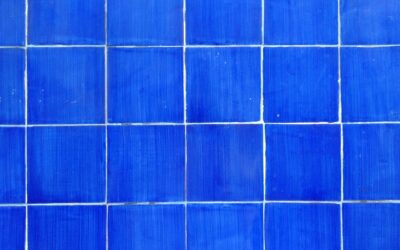
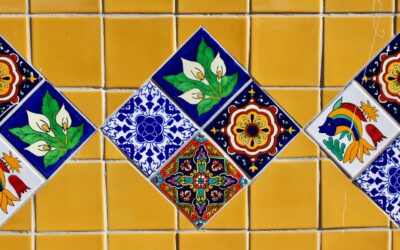
Light blue tile has quietly become one of the most requested colors for kitchens and bathrooms, and it is easy to see why. The shade reads fresh and calming, bounces light around a room, and pairs with white, brass, and natural wood without trying hard. Whether you are picturing a glossy backsplash or a serene shower surround, this color delivers a clean, timeless look that does not fall out of fashion the way bolder hues do.
Part of our Tile & Grout guide — explore the full guide →
Below you will find the materials and finishes worth knowing, the best places to use light blue, smart layout and grout choices, and how to keep it looking sharp for years.
Why Light Blue Works So Well
Color psychology aside, light blue is simply practical. As a cool, pale tone it makes small rooms feel larger and brighter, which is exactly what most bathrooms and galley kitchens need. It also acts as a near-neutral: it plays well with warm metals like brass and gold, cool finishes like chrome and nickel, and the full range of wood tones from pale oak to walnut. That flexibility means a light blue tile rarely locks you into a single design direction.
Tile Materials to Consider
The color comes in several tile types, each with its own strengths:
- Ceramic — affordable and widely available, ideal for walls and backsplashes. Runs roughly $2 to $7 per square foot.
- Porcelain — denser and more durable than ceramic, rated for floors and wet areas. Typically $4 to $12 per square foot.
- Glass — luminous and reflective, perfect for backsplashes where you want the light blue to glow. Often $10 to $30 per square foot.
- Cement (encaustic) — matte, artisanal, and patterned, great for a statement floor. Needs sealing and costs more.
- Zellige — handmade Moroccan clay tile with subtle color variation and a glossy, imperfect surface that catches light beautifully.
Glossy vs. Matte Finish
Finish changes the entire mood of the tile. A glossy glaze reflects light, intensifies the blue, and wipes clean easily, which is why it dominates backsplashes and shower walls. A matte finish reads softer and more contemporary, hides water spots and fingerprints, and provides more slip resistance underfoot, making it the safer choice for floors. If you love the look of gloss but worry about a slippery bathroom floor, use glossy tile on the walls and a matte porcelain on the floor.
Best Places to Use Light Blue Tile
This color is most at home in spaces meant to feel clean and restful. A few proven applications:
- Kitchen backsplash — glossy subway or zellige tile behind white or wood cabinets.
- Bathroom walls and showers — pale blue creates a spa-like calm.
- Powder room accent walls — a small space is the perfect spot to commit to color.
- Laundry and mudrooms — durable, easy to wipe, and cheerful.
- Pool surrounds and outdoor showers — blue echoes water and stays cool underfoot in shade.
Layout and Pattern Options
The shape and layout you choose matter as much as the color. Classic 3 by 6 subway tile in a running bond is the safe, timeless default. A vertical stack or herringbone layout gives the same tile a more current, designed feel. Square mosaics and penny rounds add texture and read well in small accent areas. For floors, a large-format porcelain in a soft blue keeps grout lines minimal and the space feeling open. Mixing a patterned encaustic-look tile with plain field tile lets you get a statement without overwhelming the room.
Choosing the Right Grout
Grout color is the detail people forget until it is too late. A white or light gray grout disappears into light blue tile and keeps the look soft and seamless. A darker gray grout creates contrast that emphasizes the tile shape and layout, which suits a graphic subway or herringbone pattern but shows every line. For wet areas, consider an epoxy or a high-quality stain-resistant grout, since standard cement grout in a shower will discolor over time. Always seal cement-based grout to keep mildew and stains from setting in.
Pairing Light Blue with Other Finishes
Light blue is a team player. With crisp white cabinets and counters it leans coastal and fresh. Paired with warm wood and brass hardware it turns transitional and inviting. Against black fixtures and dark grout it takes on a sharper, more modern edge. Natural stone counters in white or gray marble bring out the cooler notes, while butcher block warms the whole palette. When in doubt, keep the surrounding finishes simple and let the tile be the color moment.
Installation Notes
Glass and zellige tiles are beautiful but demand extra care. Glass needs a white thinset so the adhesive does not show through, and the cuts require a specialized blade to avoid chipping. Handmade zellige varies in size and color from piece to piece, so order 15 to 20 percent extra and expect tighter, irregular grout joints. For floor installations, confirm the tile carries a slip-resistance rating suitable for wet use, and budget for proper waterproofing behind shower tile regardless of material.
Cleaning and Maintenance
Light blue tile is low-maintenance, but the grout needs attention. Wipe glazed ceramic, porcelain, and glass with a mild pH-neutral cleaner; avoid abrasive pads that scratch glossy surfaces. In showers, squeegee the walls after use to limit hard-water spots and soap scum. Re-seal cement grout once a year, and address any mildew at the grout lines early with a dedicated cleaner before it sets. Because the tile color is pale, smudges and water marks show, so a quick regular wipe keeps it looking its best.
Final Thoughts
Light blue tile is one of the easiest ways to add freshness and calm to a kitchen or bath without committing to a trend that will age badly. The color brightens small spaces, flatters nearly every finish, and works in everything from glossy subway backsplashes to matte porcelain floors. Pick a material rated for the job, choose a grout that supports the look you want, and keep up with simple cleaning. Get those decisions right and a soft blue tile will keep your space feeling bright and serene for years to come.
Prefer to explore on your own?
See how new flooring looks in your actual room in seconds — free, no signup.
Try the free Floor Studio →