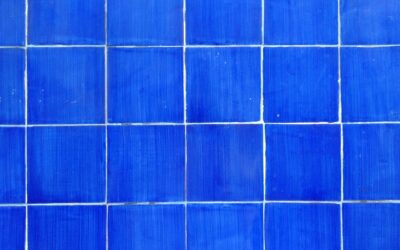
White tile is safe, but it can also be forgettable, which is exactly why so many homeowners are reaching for color. Blue tile brings personality to a kitchen backsplash, a bathroom wall, or a pool surround without going overboard, and it pairs beautifully with the white, brass, and natural wood tones dominating modern interiors. From soft powder blue to deep navy, the range is wide enough to suit nearly any style, whether you want a calming retreat or a bold statement.
Part of our Tile & Grout guide — explore the full guide →
This guide covers the shades and materials available, the best places to use blue tile, and how to design and maintain it so it looks intentional rather than dated.
Why Blue Tile Works
Blue is a versatile color in design because it reads as both classic and fresh. Lighter shades feel airy and calming, which is why they show up so often in bathrooms and laundry rooms, while deeper navy and cobalt carry a rich, grounded look that works as an accent or a full feature wall. Blue also plays well with neutrals, so it rarely clashes with the white cabinets, gray floors, and natural countertops most homes already have.
Because it sits in the cool range of the spectrum, blue can make a small space feel a touch larger and more serene, especially in lighter tones. That makes it a smart pick for compact bathrooms and powder rooms.
Popular Shades of Blue
- Powder and sky blue: Soft and soothing, ideal for bathrooms and coastal-inspired spaces.
- Teal and aqua: A blue-green crossover that feels lively and beachy, great for backsplashes.
- Cobalt and royal blue: Bold and saturated, perfect for a statement wall or Moroccan-style accent.
- Navy: Deep and sophisticated, a popular alternative to black for floors and lower walls.
- Slate and gray-blue: Muted and modern, a subtle way to add color without committing to a vivid hue.
Tile Materials and Finishes
Blue tile comes in nearly every material, and the choice affects both look and durability. Glazed ceramic and porcelain are the most common, offering rich color, water resistance, and easy cleaning at a reasonable price. Glass tile gives blue an extra depth and shimmer that suits backsplashes and pool areas, since light passes into the tile and reflects back. Handmade zellige and other artisan tiles bring subtle color variation that makes a wall feel custom.
Natural stone in blue tones, such as certain slates and marbles, offers organic veining but needs sealing and gentler care. Finish matters too: a glossy glaze amplifies the color and reflects light, while a matte finish reads more muted and modern and hides water spots better.
Best Places to Use Blue Tile
Blue tile earns its keep in several spots around the home. A backsplash is the classic application, where a strip of blue subway or mosaic tile adds color between white cabinets and counters without overwhelming the kitchen. In bathrooms, blue works on shower walls, floors, and vanity backsplashes, and it pairs naturally with white fixtures.
Beyond the obvious, navy or slate floor tile makes a striking entryway or mudroom that hides dirt well, and blue glass tile is a favorite for pools and spas. For the cautious, a small dose, such as a single accent wall or a band of decorative tile, delivers the color hit without a full commitment.
Designing With Blue Tile
The key to blue tile that still looks good in ten years is balance. Pair vivid shades with plenty of neutral surfaces, white grout or cabinetry, natural wood, and warm metals like brass or gold, which complement blue beautifully. For a timeless result, use the boldest blue as an accent rather than covering every surface in it.
Pattern is another lever. A classic subway layout keeps things simple, a herringbone or vertical stack feels current, and a patterned cement-look tile makes a floor the focal point. If you love a strong blue but worry about trends, keep the permanent, expensive elements neutral and let the tile carry the color, since tile is easier to replace than cabinets.
Blue Tile Layout Patterns
The way you lay blue tile changes its character as much as the shade does. A standard horizontal brick or offset pattern with subway tile keeps things classic and clean, while a vertical stack reads more contemporary and draws the eye upward, which helps in rooms with low ceilings. Herringbone adds energy and a custom feel, perfect for making a backsplash the focal point of a kitchen.
For mosaics and handmade tiles, a straight grid lets the color variation shine, while a chevron or fish-scale arrangement leans decorative and bold. When using a strong blue, a simpler layout often looks more refined, since the color is already doing the heavy lifting. Reserve busier patterns for softer, more muted blues that can carry the extra detail without overwhelming the room.
What Blue Tile Costs
Price depends almost entirely on the material. Glazed ceramic blue tile is the budget choice, typically running a few dollars per square foot, while porcelain costs a bit more for its added durability. Glass tile and handmade zellige sit at the higher end because of how they are produced, and natural stone in blue tones can climb higher still. A small accent area in a premium tile stays affordable precisely because you need so little of it, which is part of why accents are such a smart way to use color.
Cleaning and Maintenance
Most blue tile is easy to maintain, especially glazed ceramic and porcelain. Wipe surfaces with a soft cloth and a pH-neutral cleaner, and avoid abrasive pads that can scratch a glossy glaze. Glass tile shows water spots and fingerprints more than ceramic, so a quick wipe with a glass-safe cleaner keeps it sparkling.
Grout is the part that needs attention regardless of tile color. Seal cement-based grout and reseal it periodically in wet areas to prevent staining and discoloration. For natural stone blue tile, use only stone-safe cleaners and reseal as the manufacturer recommends, since acidic products can etch the surface.
The Bottom Line
Blue tile is one of the easiest ways to add color and character to a kitchen, bathroom, or entry without straying into risky territory. Choose a shade that matches the mood you want, pick a material suited to the location, and balance bold blues with plenty of neutrals. Keep the color on surfaces that are simple to swap, maintain the grout, and your blue tile will stay fresh and stylish for years.
Prefer to explore on your own?
See how new flooring looks in your actual room in seconds — free, no signup.
Try the free Floor Studio →