In a world of perfectly uniform, machine-made tile, artisan tiles offer something different — character, history, and the unmistakable warmth of a surface shaped by human hands. Whether you are drawn to the shimmering irregularity of Moroccan zellige, the geometric beauty of encaustic cement tile, or the one-of-a-kind quality of hand-painted ceramic, artisan tiles transform walls and floors into works of art.
Part of our Tile & Grout guide — explore the full guide →
This guide covers the most popular types of artisan tiles, their unique characteristics, where to buy them, installation considerations, pricing, and design inspiration.
What Makes a Tile “Artisan”?
Artisan tiles are handmade or hand-finished tiles that bear the marks of their maker. Unlike factory-produced tiles that are pressed, glazed, and fired by machines to achieve exact uniformity, artisan tiles intentionally embrace variation. No two tiles are exactly alike in color, texture, or dimension — and that is the entire point.
Common characteristics of artisan tiles include:
- Color variation: Subtle (or dramatic) differences in glaze color between tiles
- Surface irregularity: Undulating surfaces, hand-formed edges, and visible brush marks
- Dimensional variation: Tiles may not be perfectly square or consistent in thickness
- Unique patina: Surfaces that develop character over time with use and age
- Traditional production methods: Many artisan tiles are made using centuries-old techniques
Types of Artisan Tiles
Zellige Tiles
Zellige (also spelled zellij) tiles are hand-cut, glazed terracotta tiles that originated in Morocco in the 10th century. They have experienced a massive resurgence in modern interior design and are now one of the most sought-after artisan tile types worldwide.
How zellige is made: Clay is hand-shaped into thick slabs, dried in the sun, hand-glazed with a single color, and fired in traditional kilns. After firing, each tile is hand-cut to its final shape. The result is a tile with a uniquely imperfect surface — the glaze pools, crazes (develops fine cracks), and reflects light differently at every angle.
Key characteristics:
- Rich, glossy glaze with depth and luminosity
- Highly varied surface — undulations, pinholes, crazing, and color shifts
- Typically available in 2×2, 4×4, and 2×6 inch sizes
- Classic colors include white, green, blue, terracotta, and black
- Hand-cut edges create wider, more visible grout lines
Best for: Kitchen backsplashes, bathroom walls, fireplace surrounds, shower niches, and accent walls. Not typically used for floors due to their irregular surface and softer glaze.
Price range: $12 to $35 per square foot for authentic Moroccan zellige. Zellige-inspired machine-made tiles cost $5 to $15 per square foot.
Encaustic Cement Tiles
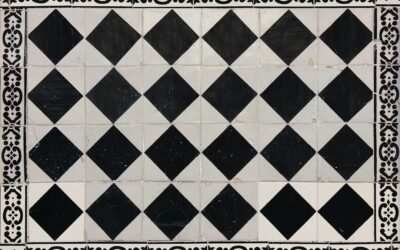
Encaustic cement tiles are handmade tiles where colored cement is poured into a mold to create intricate geometric or floral patterns. The color runs through the full thickness of the tile (not just on the surface), which means the pattern does not wear away over time.
How encaustic tiles are made: A metal mold is filled with layers of colored cement paste, backed with a sand-cement mixture, then hydraulically pressed (not fired). The tiles cure naturally for several weeks. Each tile is made one at a time, producing subtle variations in color and pattern alignment.
Key characteristics:
- Bold geometric, floral, or Moorish-inspired patterns
- Matte finish with a soft, chalky texture
- Color runs through the full tile thickness
- Typically 8×8 inch squares (some available in 6×6 and 12×12)
- Porous — requires sealing before and after grouting
- Develops a beautiful patina over time
Best for: Kitchen floors, bathroom floors, entryways, laundry rooms, patios, and feature walls. Encaustic tiles are durable enough for floor use and are one of the few artisan tile types commonly used on floors.
Price range: $8 to $25 per square foot for handmade encaustic. Budget cement-look porcelain alternatives cost $3 to $8 per square foot.
Hand-Painted Ceramic Tiles
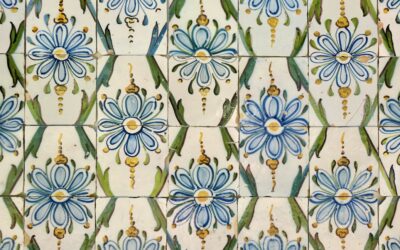
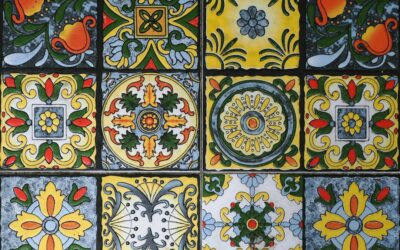
Hand-painted tiles feature designs individually applied by artists using brushes, stencils, or a combination of techniques. This category is broad and includes everything from Portuguese azulejo tiles to Mexican Talavera to contemporary artisan designs.
Key characteristics:
- Each tile is individually decorated — no two are perfectly identical
- Designs range from traditional (floral, geometric, scenic) to modern abstract
- Visible brushstrokes and slight irregularities in the painted design
- Typically ceramic or terracotta base with hand-applied glaze decoration
- Available in a wide range of sizes and shapes
Best for: Decorative accents, backsplashes, borders, stair risers, and feature panels. Hand-painted tiles are often used as accent pieces mixed with solid-color field tiles.
Price range: $10 to $50+ per square foot, depending on the artist, complexity, and origin. Simple hand-painted Mexican tiles start around $5 per square foot.
Terracotta Tiles
Handmade terracotta tiles are among the oldest artisan tile types, dating back thousands of years. Made from natural clay that is shaped by hand (or in simple molds) and fired at relatively low temperatures, terracotta has a warm, earthy appearance that is synonymous with Mediterranean, Tuscan, and rustic design.
Key characteristics:
- Warm orange, red, and brown tones from natural clay
- Soft, matte surface with natural variation
- Porous — must be sealed for indoor use
- Irregular edges and thickness variations
- Develops a rich patina over decades of use
Best for: Kitchen floors, entryways, mudrooms, patios, and any space where a warm, Old World character is desired.
Price range: $6 to $20 per square foot for handmade terracotta. Reclaimed antique terracotta can exceed $30 per square foot.
Where to Buy Artisan Tiles
Authentic artisan tiles are not typically found at big-box home improvement stores. Here are the best sources:
- Specialty tile showrooms: High-end tile retailers in major cities carry curated collections of artisan tiles. They can also special-order from international producers.
- Online artisan tile retailers: Companies like Clé Tile, Mosaic House, Mercury Mosaics, Tabarka Studio, and Zia Tile specialize in handmade tile and ship nationwide.
- Direct from artisans: Platforms like Etsy and direct-order websites from Moroccan, Portuguese, and Mexican tile workshops offer authentic products at lower prices — though shipping from overseas adds cost and lead time.
- Tile importers: Companies that import directly from production workshops in Morocco, Portugal, Mexico, and Tunisia often offer competitive pricing on zellige and encaustic tiles.
- Architectural salvage: Reclaimed antique tiles from demolished buildings are available through salvage dealers, especially for terracotta and vintage encaustic patterns.
Installation Considerations for Artisan Tiles
Installing artisan tiles requires different skills and expectations than installing standard machine-made tile. Here is what to know:
Dimensional Variation
Artisan tiles are not perfectly uniform. Variations in size, thickness, and squareness are normal and expected. Your installer should:
- Dry-lay tiles before installation to plan the layout and blend color variations
- Use wider grout joints (1/8 inch to 1/4 inch) to accommodate size differences
- Build up the thinset bed to account for thickness variations
- Mix tiles from multiple boxes to distribute color variation evenly
Sealing
Most artisan tiles are porous and require sealing:
- Encaustic cement tiles: Seal before grouting (to prevent grout staining the tile face), then seal again after grouting and cleaning
- Terracotta: Seal with a penetrating sealer before grouting and apply a topical sealer after installation
- Zellige: Some zellige benefits from a light sealer, though many purists prefer to leave the glaze unsealed to preserve its natural character
Hire an Experienced Installer
Artisan tiles are expensive and unforgiving of installation mistakes. Look for a tile installer with specific experience handling handmade tiles. The wider grout lines, variable thickness, and sealing requirements are different from standard tile work and require a skilled hand.
Design Ideas with Artisan Tiles
Kitchen Backsplash
A zellige backsplash in white, sage green, or ocean blue adds depth and texture that subway tile cannot match. The light-catching quality of zellige glaze brings a backsplash to life, especially in kitchens with natural light.
Bathroom Floor
Encaustic cement tiles in a bold geometric pattern create a stunning bathroom floor that serves as the room’s focal point. Pair with simple white wall tiles to let the floor pattern take center stage.
Entryway and Mudroom
Handmade terracotta tiles in an entryway set the tone for the entire home, communicating warmth and character from the first step inside. The natural variation and warm tones welcome visitors.
Accent Wall
A feature wall of hand-painted ceramic tiles behind a freestanding bathtub, above a fireplace, or in a dining room creates a one-of-a-kind focal point that doubles as art.
Stair Risers
Individual hand-painted or patterned encaustic tiles on stair risers add unexpected detail and color to a staircase. This is a cost-effective way to use expensive artisan tiles since you need only a small quantity.
Artisan Tiles Pricing Summary
Here is a summary of costs for popular artisan tile types, including installation:
- Zellige: $12 to $35/sq ft materials + $15 to $25/sq ft installation = $27 to $60/sq ft installed
- Encaustic cement: $8 to $25/sq ft materials + $12 to $20/sq ft installation = $20 to $45/sq ft installed
- Hand-painted ceramic: $10 to $50/sq ft materials + $12 to $20/sq ft installation = $22 to $70/sq ft installed
- Handmade terracotta: $6 to $20/sq ft materials + $10 to $18/sq ft installation = $16 to $38/sq ft installed
These are premium prices, but artisan tiles are typically used in smaller areas (backsplashes, accent walls, bathroom floors) where the total project cost remains manageable even at higher per-square-foot rates.
Final Thoughts
Artisan tiles are an investment in character. They bring warmth, history, and individuality to a space in a way that mass-produced tiles simply cannot replicate. Whether you choose the shimmering depth of zellige, the bold patterns of encaustic cement, the storytelling quality of hand-painted ceramic, or the earthy warmth of handmade terracotta, artisan tiles make a space feel intentional, personal, and alive.
Plan for the higher cost, the longer lead times, and the need for a skilled installer — and you will be rewarded with surfaces that get more beautiful with time.
Frequently Asked Questions
Can you use artisan tiles in a shower?
Yes, zellige and glazed handmade tiles work well on shower walls over a properly waterproofed backer. Seal the grout, and seal the tile too if the maker recommends it, since crazed glazes can absorb water. Cement and terracotta are porous and need careful sealing and upkeep, so they are better suited to bathroom floors outside the shower than to the wet area itself.
How much extra artisan tile should you order?
Order about 15 percent extra for most handmade tile, compared with the usual 10 percent for machine-made tile. The added margin covers chipped pieces, tiles culled for color or shape and future repairs. Because batches vary and lead times can be long, buying everything at once from the same production lot is much easier than matching later.
How do you clean artisan tiles?
Use warm water and a pH-neutral cleaner with a soft cloth or mop. Avoid vinegar, lemon, bleach and other acidic or harsh cleaners, especially on cement and terracotta, because they can etch the surface or strip the sealer. Wipe spills quickly on porous tiles, and reseal on the schedule the maker recommends, often every year or two on floors.
Is there a cheaper alternative to handmade artisan tile?
Yes. Many ceramic and porcelain tiles are made to imitate handmade looks, with wavy edges, varied glazes and pillowed surfaces, often sold as artisan-style or handmade-look subway tile. They cost less, are more uniform to install and usually need no sealing. They lack the depth of true zellige or encaustic, so mixing a few real pieces into an accent area is another budget option.
Prefer to explore on your own?
See how new flooring looks in your actual room in seconds — free, no signup.
Try the free Floor Studio →